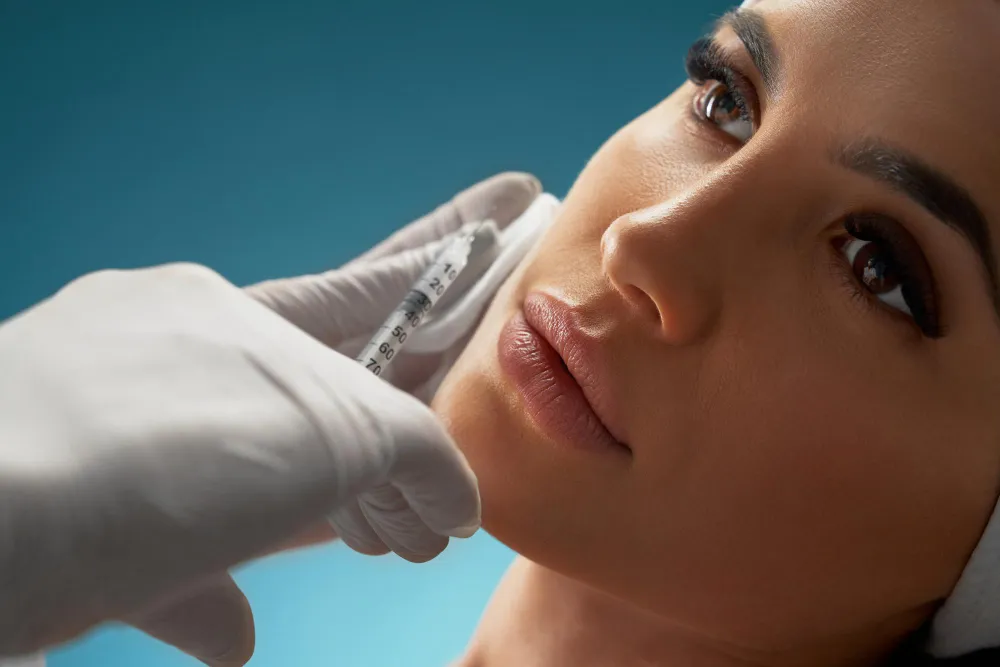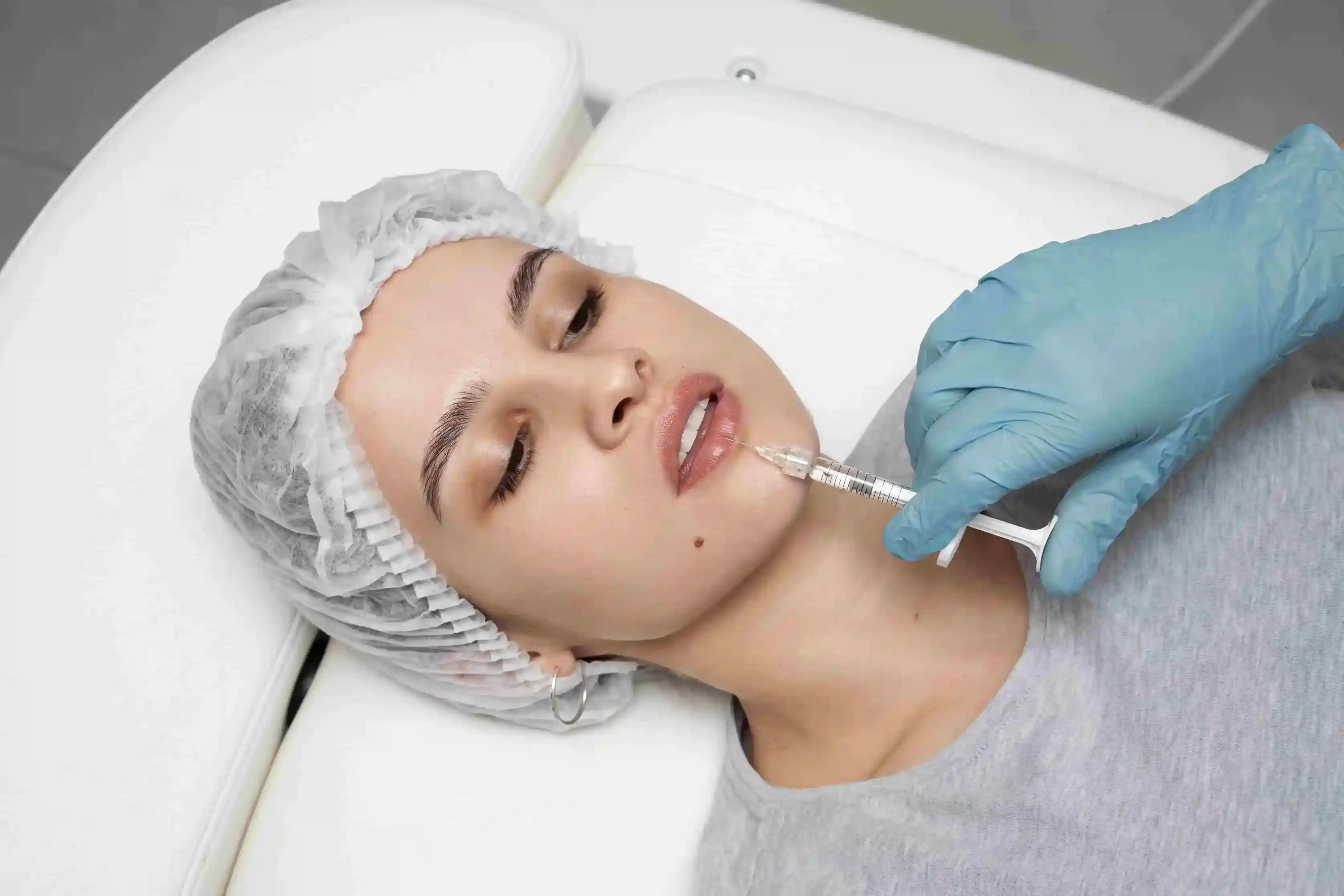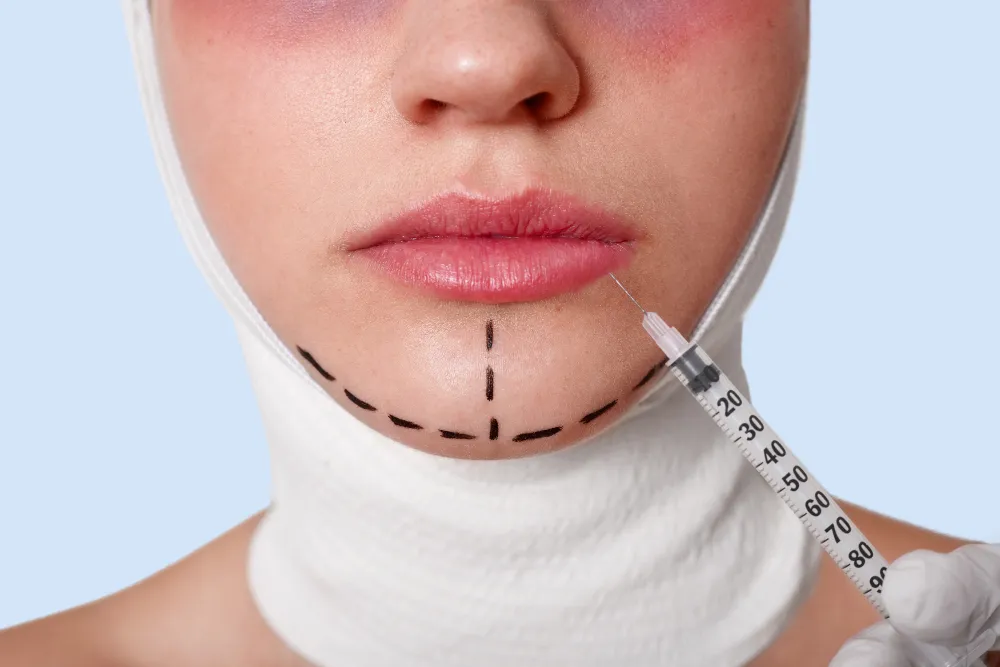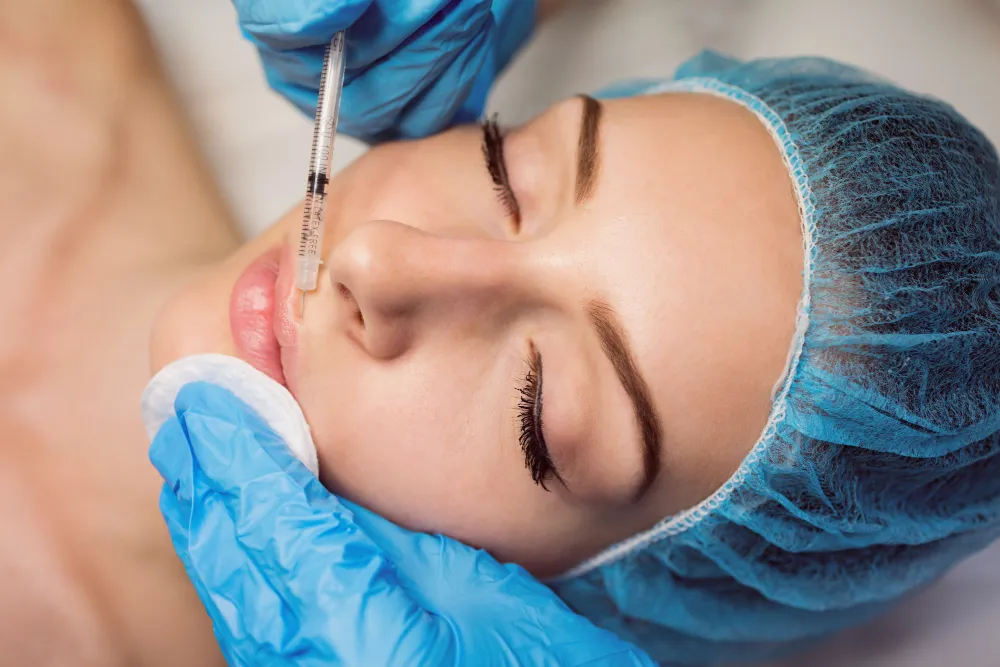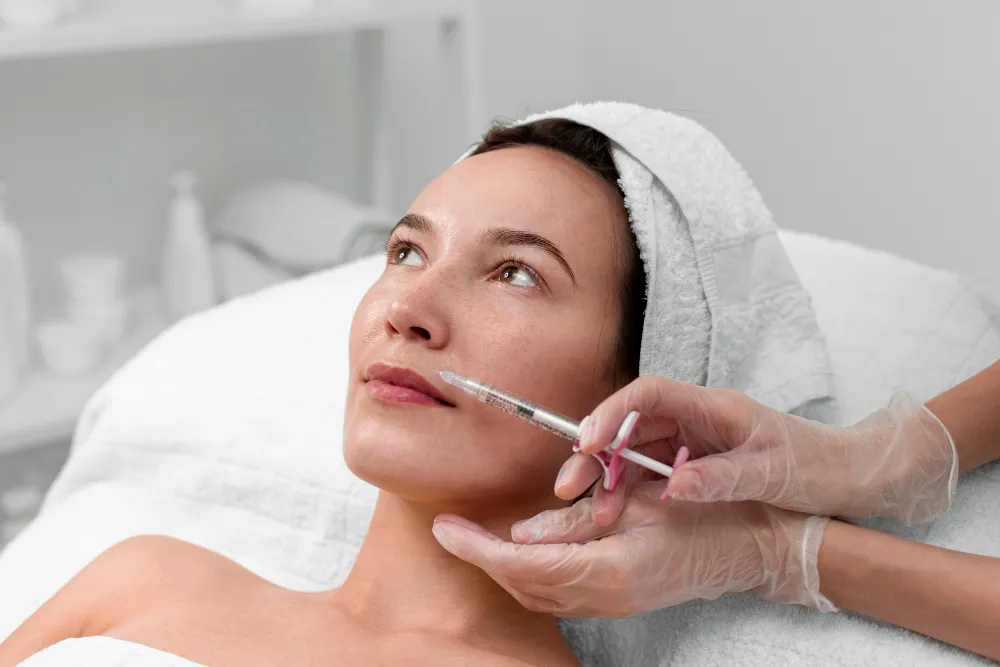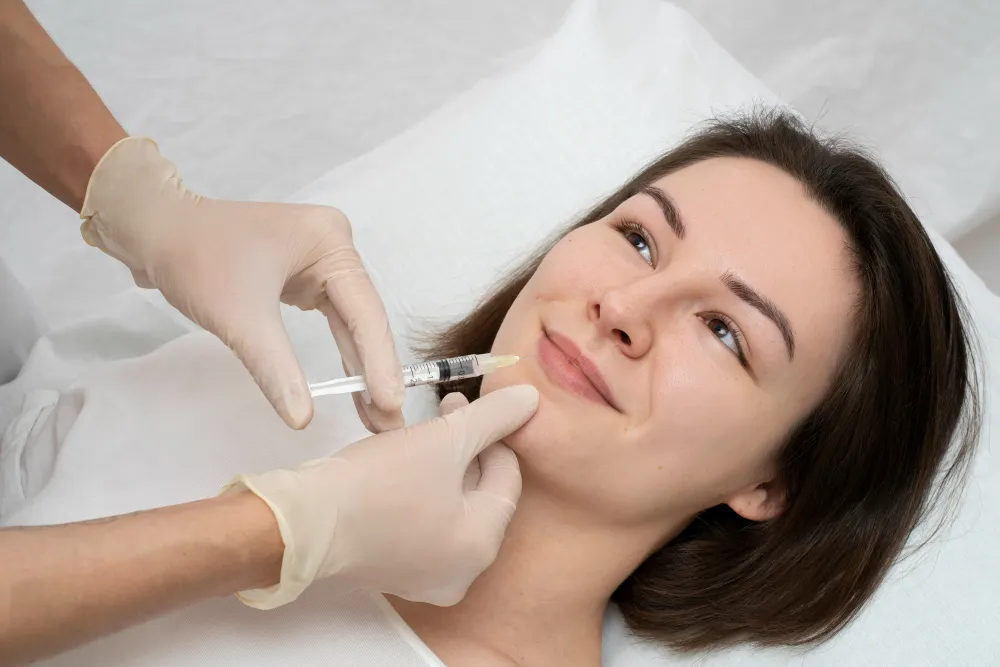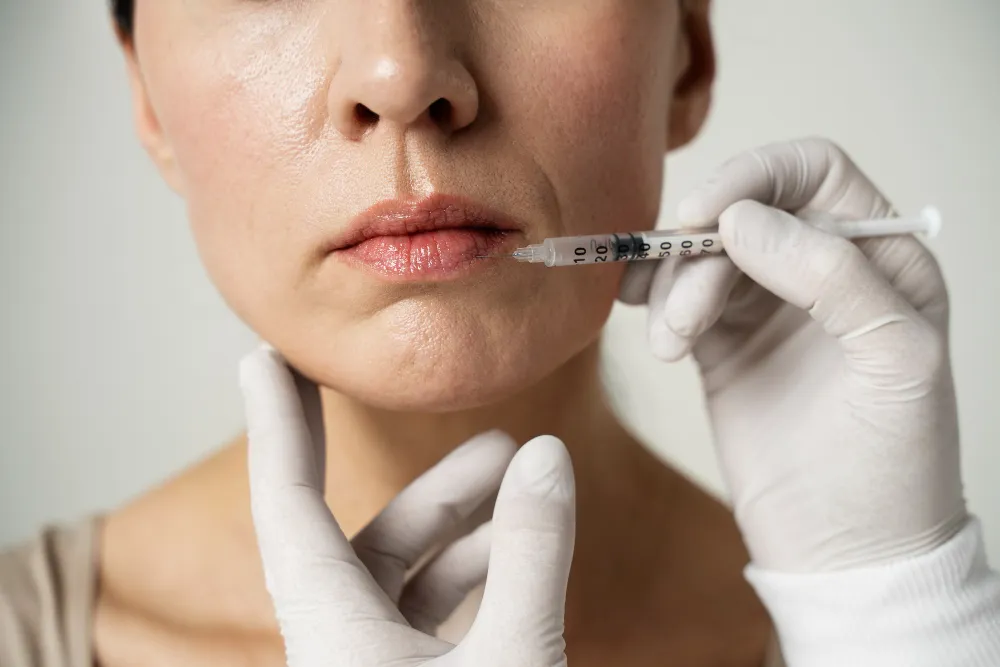




The term “duck lips” has become a cultural shorthand for aesthetic disharmony, but in clinical practice, it represents a specific technical failure of lip augmentation. It is characterized by pathological forward projection of the vermilion, a loss of the natural philtral columns, and a stiff, beak-like appearance. While many blame the filler itself, "ducking" is almost always the result of a mismatch between anatomy, product rheology, and injection plane.
What Are Duck Lips? A Cephalometric Definition
In aesthetic medicine, "duck lips" aren't just an opinion—they can be measured. Professionals often use Ricketts’ E-Line (Esthetic Line) to assess facial harmony. This imaginary line connects the tip of the nose to the most prominent part of the chin.
- The Gold Standard: In a balanced profile, the upper lip should sit approximately 4mm behind this line, and the lower lip 2mm behind it.
- The "Duck" Indicator: When the upper lip approaches or crosses the E-Line due to over-volumization, the projection becomes unnatural, disrupting the facial profile and creating the characteristic "beak."
The Clinical Causes: Why Lips "Duck" After Filler
The primary driver of unnatural projection is the misuse of High G-Prime fillers. G-Prime refers to a gel's "hardness" or resistance to deformation. High G-Prime products, like Juvederm Ultra 4 or Saypha Volume, are engineered for structural support in deep planes (cheeks or jawline).
When these dense gels are injected too superficially into the mobile mucosal tissue of the lips, they cannot integrate. Instead, they sit as a rigid "shelf" that the lip muscles (orbicularis oris) cannot move naturally, resulting in a stiff, projected appearance during speech and smiling.
Filler Migration: The "Mustache" Effect
Migration is the silent architect of duck lips. When too much product is injected into the vermilion border, the internal pressure pushes the HA filler upward into the cutaneous lip (the area between the lip and the nose). This creates the infamous lip filler mustache shadow.
Because hyaluronic acid is long-lasting and often degrades unevenly, layering new filler over migrated product only exacerbates the distortion. This is why many ethical injectors recommend a complete "reset" using Hyaluronidase (Liporase) to remove old product before attempting to achieve a natural lip filler look.
How Professionals Prevent Unnatural Projection
Avoiding the duck-lip look requires a deep understanding of tissue integration and rheology:
- Low Cohesivity Gels: Professionals opt for products with high tissue integration, such as Juvederm Volbella or Stylage Special Lips, which move with the lips rather than against them.
- Anatomical Support: Focusing on the lip's structural tubercles and the dry-wet mucosal junction rather than over-defining the border.
- Staged Augmentation: For thin lips, volume must be built incrementally. Pushing 1ml into a "tight" lip envelope in a single session is a primary risk factor for anterior displacement.
The Duck Lip Self-Assessment
If you suspect your filler has migrated or "ducked," check for these signs:
- The Overhead Shadow: In vertical lighting, does a dark shadow appear above your upper lip border? This indicates a "shelf" caused by migration.
- The Profile Obstruction: When drinking from a glass, does your upper lip make contact before your lower lip?
- The Ridge Palpation: Can you feel a firm, horizontal "sausage-like" ridge when pressing your tongue against the upper lip's interior?
FAQ: Correcting Duck Lips
Can duck lips go away on their own?
While HA filler eventually degrades, migrated filler can remain in the cutaneous lip for years. Dissolving with hyaluronidase is usually the only way to restore the original anatomy.
Is 1ml of filler always the cause of duck lips?
Not at all. In a spacious lip envelope, 1ml can look very natural. The issue is not the volume, but the placement and the product's G-Prime. See our guide on realistic 1ml results.
How long after dissolving can I get new filler?
It is clinically recommended to wait at least 14 days after using Liporase to allow the tissue to settle and pH levels to normalize before re-injecting.
Professional Disclaimer: This content is provided for educational purposes only. It is intended for licensed medical professionals and informed readers. It does not provide treatment instructions or clinical protocols and should not replace professional training or clinical judgment. All injectable procedures must be performed by qualified healthcare providers in accordance with medical standards.