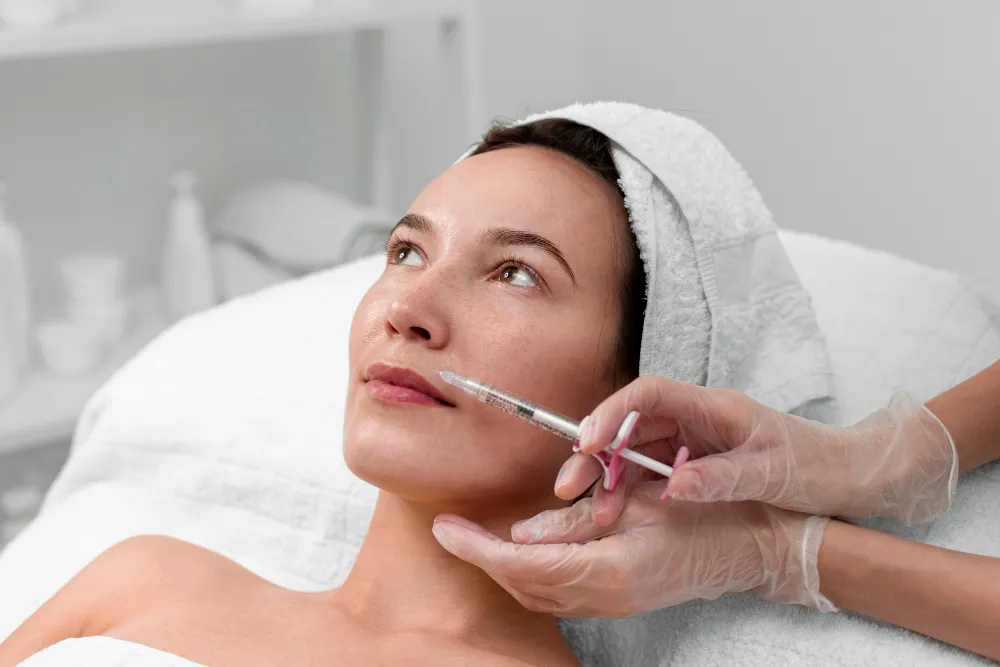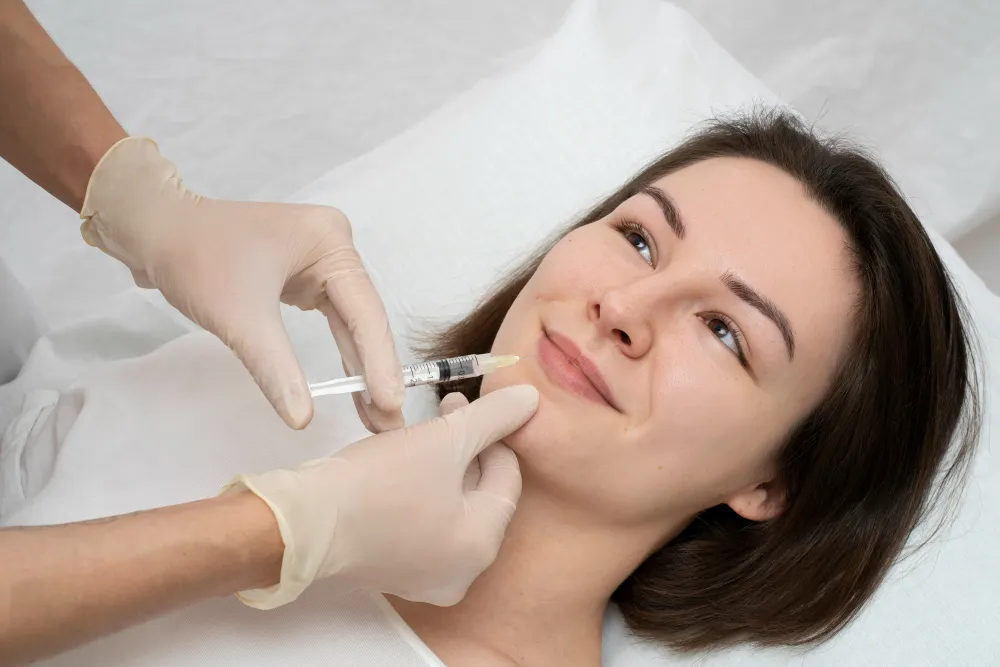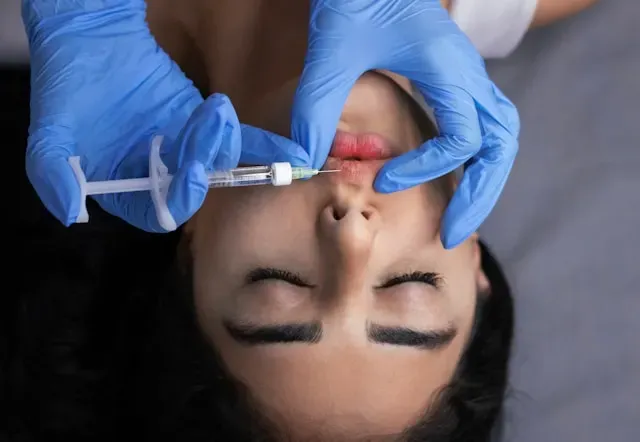




Lip filler lumps are among the most frequent post-treatment concerns—and perhaps the most misunderstood. It is common for patients to detect palpable or visible bumps after lip filler injections, leading to immediate anxiety. However, in the vast majority of cases, these irregularities are a transient part of the tissue's healing response rather than a permanent complication.
Are Lip Filler Lumps Normal? A Clinical Perspective
Yes—within a specific timeframe. Minor lumps, firmness, and slight asymmetry are considered normal during the acute healing phase, particularly in the first 72 hours post-injection.
Most early-stage bumps after lip filler are physiological, driven by:
- Localized Edema: Fluid accumulation in response to needle trauma.
- Minor Hematomas: Small bruises or internal bleeding that can feel like firm knots.
- Initial Bio-integration: The period where the hyaluronic acid (HA) gel has not yet fully integrated with the surrounding mucosal tissue.
- Hydrophilic Expansion: As HA binds to water, certain areas may temporarily appear more prominent.
Common Causes of Persistent Lip Filler Bumps
When lumps persist beyond the initial inflammatory phase, they are typically attributed to one of the following factors:
Product Accumulation (Bolus Injection)
If a large volume of filler is deposited in a single "bolus" rather than using a threading or micro-droplet technique, it may feel like a distinct, pea-sized lump.
Superficial Placement
Fillers injected too close to the surface of the wet-dry mucosal border can lead to visible irregularities or even the Tyndall effect (a bluish hue under the skin).
High G-Prime Fillers
Using highly cohesive, "stiff" fillers in the dynamic tissue of the lips can result in palpable nodules if the product is not massaged or integrated correctly.
Previous Filler Layering
Injecting new product over old, partially degraded filler (or "filler fatigue") can create uneven textures and localized displacement.
Lumps in Lips After Filler: The Critical Timeline
Days 1–3: The Inflammatory Peak
Bumps are almost certainly related to trauma and swelling. This is the "wait and see" period where intervention is rarely appropriate.
Days 4–14: The Integration Phase
Most filler irregularities begin to soften as the edema subsides. The product begins to settle into its final position.
Lumps After 2 Weeks: The Evaluation Point
Persistent lumps lip filler after 2 weeks usually indicate that the product has settled unevenly. At this stage, a professional clinical evaluation is necessary to determine if the lump is product-related or an inflammatory nodule.
How to Prevent Lumpy Lip Filler
Prevention starts with clinical strategy and ends with patient compliance:
- Selection of Rheology: Opt for softer, more elastic fillers with high tissue integration properties for the lip body.
- Incremental Volumization: Building volume over 2-3 sessions (the "layered approach") is far safer than high-volume single sessions.
- Precision Technique: Utilizing cannulas or micro-needles to ensure the product is placed in the correct anatomical plane.
- Post-Treatment Care: Patients must avoid high-intensity heat (saunas), strenuous exercise, and excessive lip manipulation for the first 48 hours to prevent filler displacement.
Lumpy Lip Filler vs. Serious Complications
It is vital for both patients and providers to distinguish benign lumps from vascular or infectious emergencies.
Signs of Benign Irregularities:
- Soft or rubbery texture.
- Asymptomatic (no significant pain).
- No changes in skin color beyond standard bruising.
Warning Signs (Requires Urgent Clinical Intervention):
- Ischemia: Skin turning white (blanching) or dusky blue/purple.
- Severe Pain: Pain that is escalating rather than improving.
- Infection: Heat, redness, and pus-like discharge.
- Delayed Onset Nodules: Lumps that appear months later, which may indicate a late-stage inflammatory response.
Professional Management of Lip Filler Lumps
Watchful Waiting
If the lump is soft and asymptomatic, the best course of action is often allowing the full 14-day healing cycle to complete.
Professional Digital Massage
A practitioner may perform a vigorous "firm massage" to smooth out localized product accumulation. Note: Patients should not attempt this at home.
Enzymatic Hydrolysis (Hyaluronidase)
If a lump is unsightly, persistent, or caused by overfilling, hyaluronidase can be injected to selectively dissolve the offending HA deposit.
Steroid or Antibiotic Therapy
For inflammatory or infected nodules, medical management involving corticosteroids or antibiotics may be required before any dissolving is attempted.
Why Some Lumps Appear Weeks or Months Later
Delayed-onset lumps (late nodules) are often distinct from early post-filler bumps. They can be triggered by a systemic immune response (e.g., after a viral infection), bio-film formation, or the gradual migration of filler into the orbicularis oris muscle. These require specialized assessment and often a combination of anti-inflammatory and enzymatic treatments.
Managing patient expectations is as important as the injection itself. Lip filler lumps are usually temporary hurdles on the way to a final result, provided the correct protocols are followed.
For more technical guides and product insights, visit Unboxed Fillers.
FAQ: Lip Filler Lumps & Bumps
Is it normal to feel lumps after lip filler?
Yes, feeling small, firm areas is very common in the first week. These are usually small hematomas or concentrated areas of filler that will soften as they integrate.
How long until lip filler bumps go away?
Most lumps resolve within 10–14 days. If a bump is still prominent after 2 weeks, it is time to consult your injector.
Can I massage the lumps myself?
No. Self-massaging can lead to filler migration or increased inflammation. Only allow a qualified professional to perform a corrective massage.
Will drinking water help with filler lumps?
Since HA is hydrophilic, staying hydrated helps the filler settle, but it won't "dissolve" a physical lump caused by poor placement.
When is hyaluronidase necessary?
It is used when lumps are visible, causing asymmetry, or if there is a suspected vascular compromise. It is the "reset button" for HA fillers.
Can old filler cause new lumps?
Yes. If new filler is injected into a plane already occupied by degraded or migrated "old" filler, it can create a lumpy, "shelf-like" appearance.
Professional Disclaimer
This content is provided for educational and informational purposes only. It is intended for licensed medical professionals and informed readers. It does not provide treatment instructions, clinical protocols, or dosing guidance. All injectable procedures must be performed by qualified healthcare providers in accordance with local regulations and medical standards.