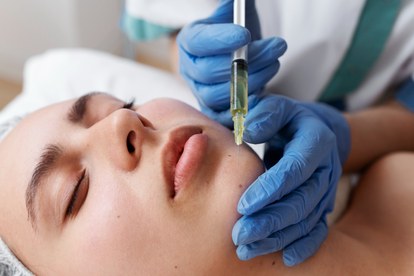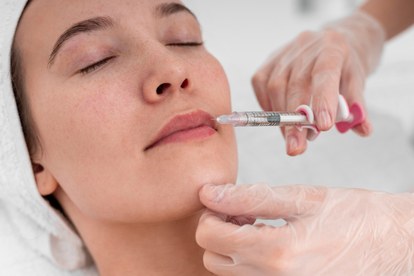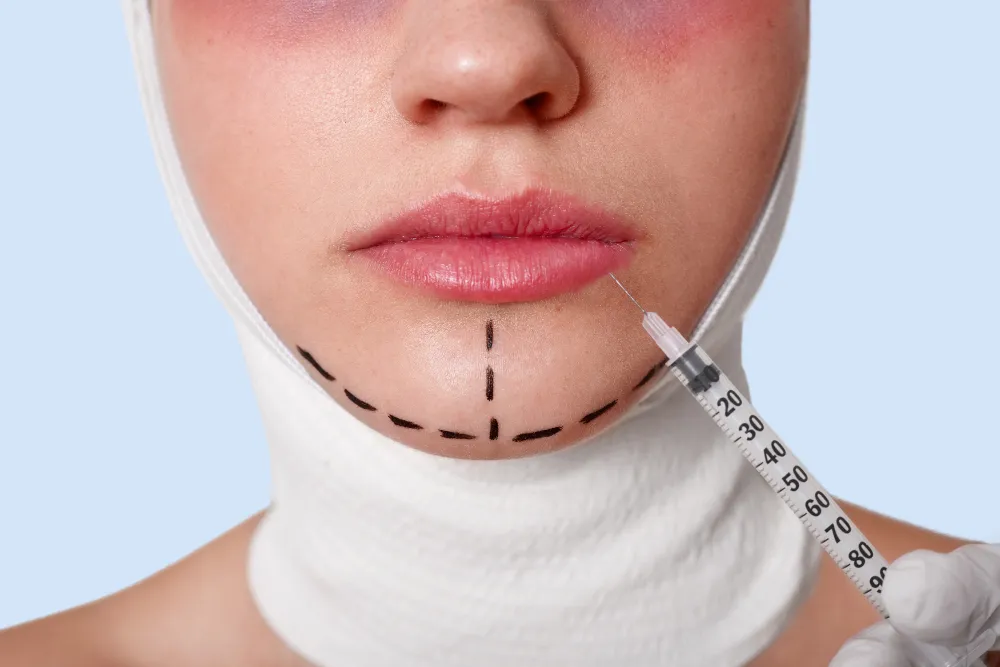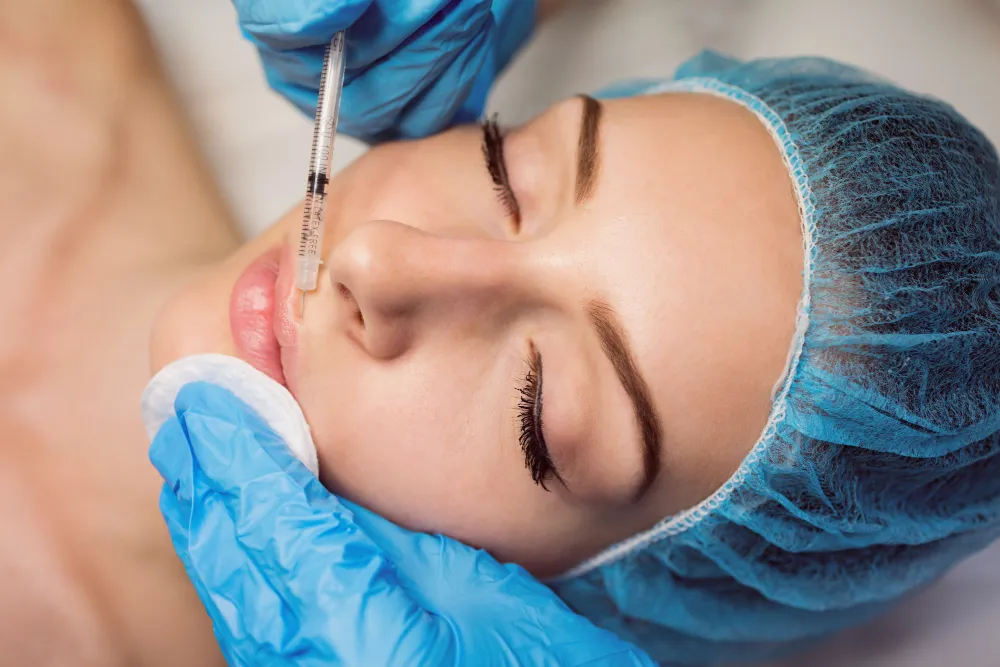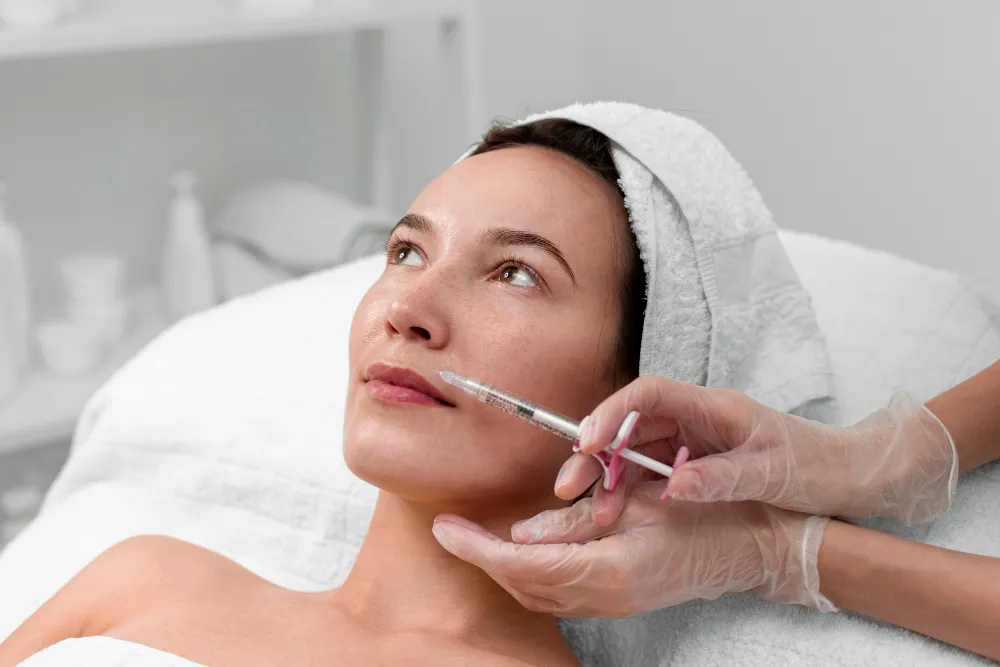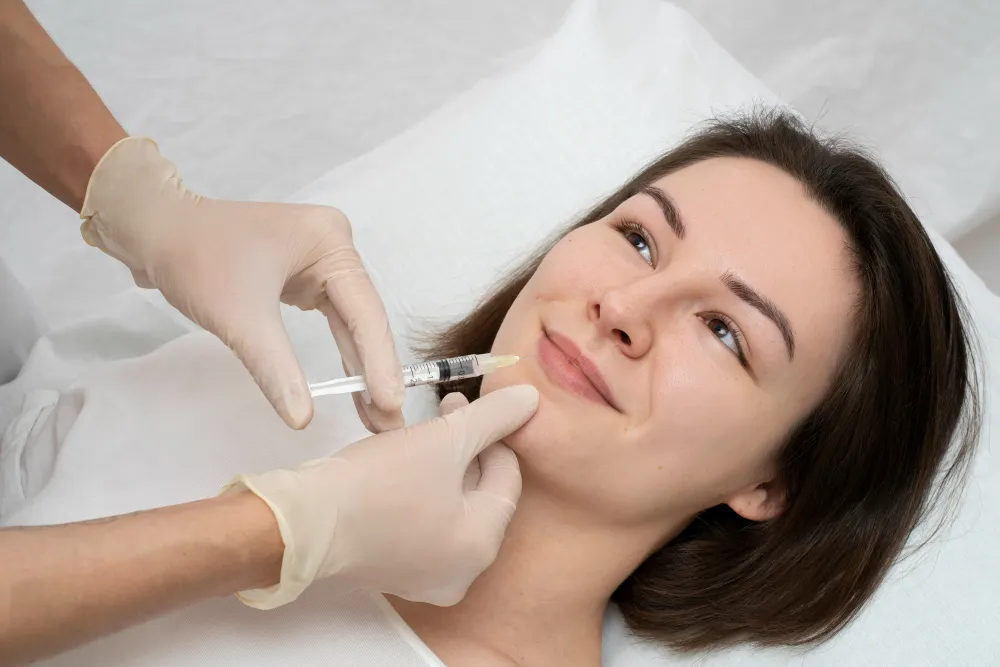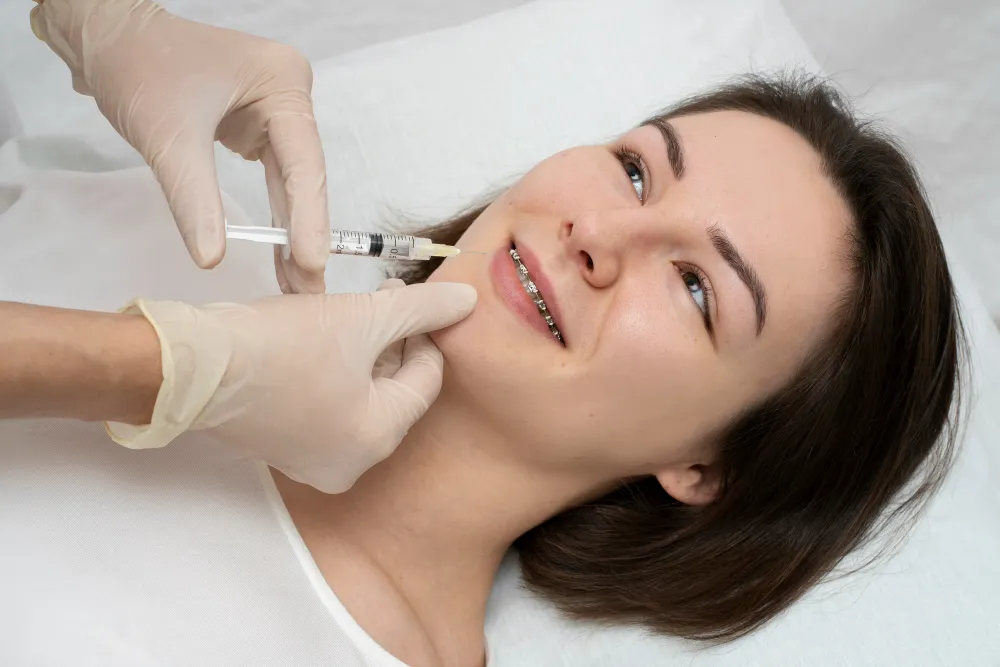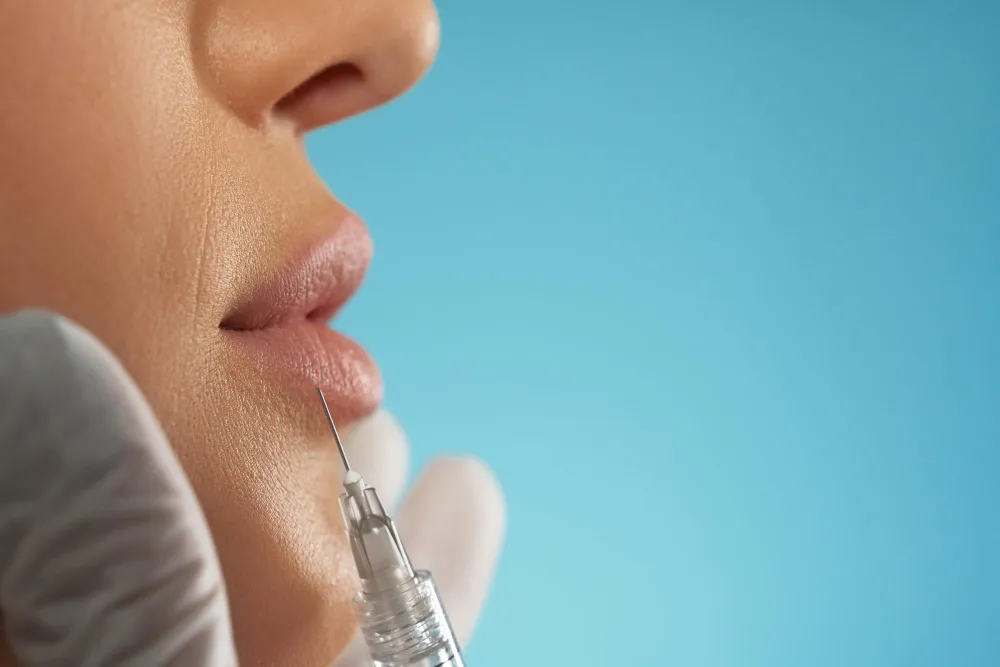




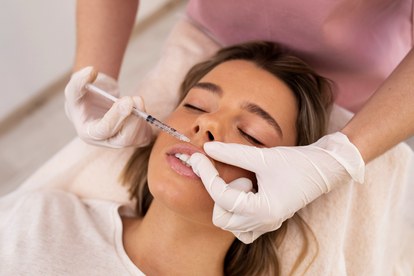
Thin lips are one of the most common reasons patients consider lip filler — and also one of the situations where unrealistic expectations can easily develop. A frequent question is whether 1 ml lip filler for thin lips is “too much” or “not enough.”
What Defines Thin Lips?
Thin lips are typically characterized by:
- limited vermilion height
- minimal natural projection
- reduced lip surface area
- less capacity to hold volume without distortion
Because thin lips have less structural support, filler behaves differently compared to naturally fuller lips.
Is 1 ml Lip Filler Too Much for Thin Lips?
Not necessarily — but it depends entirely on placement, product choice, and technique.
In thin lips, 1 ml of filler is often used to:
- restore balance between upper and lower lips
- improve definition rather than bulk
- add subtle projection and hydration
- support lip shape without overfilling
When placed correctly, 1 ml hyaluronic acid lip fillers can create natural-looking enhancement rather than exaggerated volume.
1 ml Lip Filler Before and After: What Looks Realistic?
Realistic 1 ml lip filler before and after results for thin lips usually show:
- slightly fuller lips without dramatic size change
- improved symmetry
- better border definition
- a softer, hydrated appearance
The change is often more noticeable in profile and movement than in direct front-facing comparison.
Realistic 1 ml Lip Filler Before and After Thin Lips
In thin lips, realistic outcomes are subtle by design. Most professionals aim for:
- structure first, volume second
- natural lip movement
- no excessive forward projection
Patients expecting a dramatic transformation from a single 1 ml session may be disappointed. Instead, the goal is a foundation that can be refined gradually if desired.
How Professionals Use 1 ml Hyaluronic Acid Lip Fillers in Thin Lips
Rather than injecting the full amount uniformly, professionals typically:
- distribute volume strategically
- prioritize lip shape and balance
- avoid overloading the upper lip
- place filler at appropriate depth to prevent migration
In many cases, the 1 ml is split carefully between upper and lower lips based on anatomy rather than equal volume.
Why 1 ml Can Look Different on Everyone
The same amount of filler can produce very different results due to:
- lip size and tissue elasticity
- hydration level
- muscle activity
- previous filler history
- metabolic rate
This is why comparing results between individuals is rarely helpful.
Common Mistakes with 1 ml Lip Filler in Thin Lips
Unnatural outcomes often occur when:
- volume is added too quickly
- filler is placed too superficially
- lip proportions are ignored
- upper lip is overfilled
In thin lips, restraint is critical to avoid stiffness or an artificial appearance.
Is It Better to Split 1 ml into Multiple Sessions?
For many patients with thin lips, a staged approach provides better results. Using part of the syringe initially and refining shape later allows tissue adaptation and reduces the risk of overcorrection.
This approach often leads to more stable, natural-looking outcomes over time.
Longevity and Maintenance
In thin lips, hyaluronic acid fillers may metabolize slightly faster due to constant movement. Results typically last 6–12 months, depending on product choice and individual factors.
Maintenance treatments usually focus on preserving shape rather than increasing volume.
A 1 ml lip filler can be an excellent option for thin lips when used thoughtfully. Realistic results focus on shape, balance, and subtle enhancement — not dramatic size changes.
Understanding what 1 ml hyaluronic acid lip fillers can and cannot do helps set expectations and supports safer, more natural outcomes.
For further insights, explore related articles on Unboxed Fillers.
FAQ
Is 1 ml lip filler too much for thin lips?
No, 1 ml is not automatically too much. In thin lips, the outcome depends on placement, product choice, and technique. When injected conservatively and strategically, 1 ml can enhance shape and balance without creating excessive volume.
Will 1 ml lip filler make thin lips look unnatural?
Not when performed correctly. Natural results focus on subtle projection, definition, and hydration rather than visible size increase. Overfilled or unnatural results usually come from poor technique, not the amount alone.
What should realistic 1 ml lip filler before and after results look like?
Realistic results typically show slightly fuller lips, improved symmetry, better border definition, and a softer, hydrated appearance. Changes are often more noticeable in profile and movement than straight-on photos.
Should 1 ml be injected all at once for thin lips?
Often no. Many professionals prefer a staged approach, using part of the syringe initially and refining shape later. This reduces the risk of overcorrection and allows the lips to adapt naturally.
How is 1 ml usually distributed in thin lips?
The volume is typically divided strategically between the upper and lower lips based on anatomy, not split evenly. Priority is given to balance, shape, and support rather than equal volume.
Why does 1 ml look different on different people?
Results vary due to differences in lip size, tissue elasticity, hydration, muscle activity, metabolism, and previous filler history. This is why comparing outcomes between individuals is unreliable.
Can 1 ml lip filler migrate more easily in thin lips?
Migration risk increases when filler is placed too superficially, injected too quickly, or overused in the upper lip. Proper depth selection and conservative technique help minimize this risk.
How long do results last in thin lips?
Results typically last 6–12 months. Thin lips may metabolize filler slightly faster due to constant movement, which is why maintenance focuses on shape rather than adding more volume.
Is 0.5 ml better than 1 ml for thin lips?
For some patients, yes. Starting with 0.5 ml can be ideal for first-time treatments or very thin lips. Additional volume can always be added later if needed.
What is the biggest mistake when using 1 ml in thin lips?
The most common mistakes are adding volume too quickly, overfilling the upper lip, and ignoring natural proportions. In thin lips, restraint and precision are essential for natural-looking outcomes.
Professional Disclaimer
This content is provided for educational and informational purposes only. It is intended for licensed medical professionals and informed readers. It does not provide treatment instructions, dosing guidance, or clinical protocols and should not replace professional training or clinical judgment. All injectable procedures must be performed by qualified healthcare providers in accordance with applicable regulations and approved medical standards.