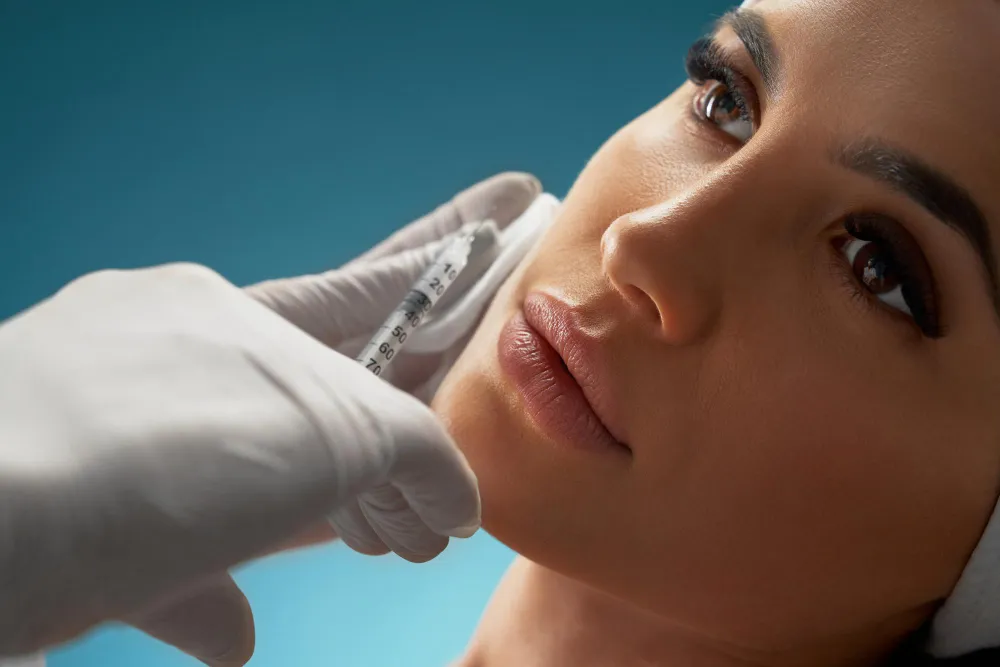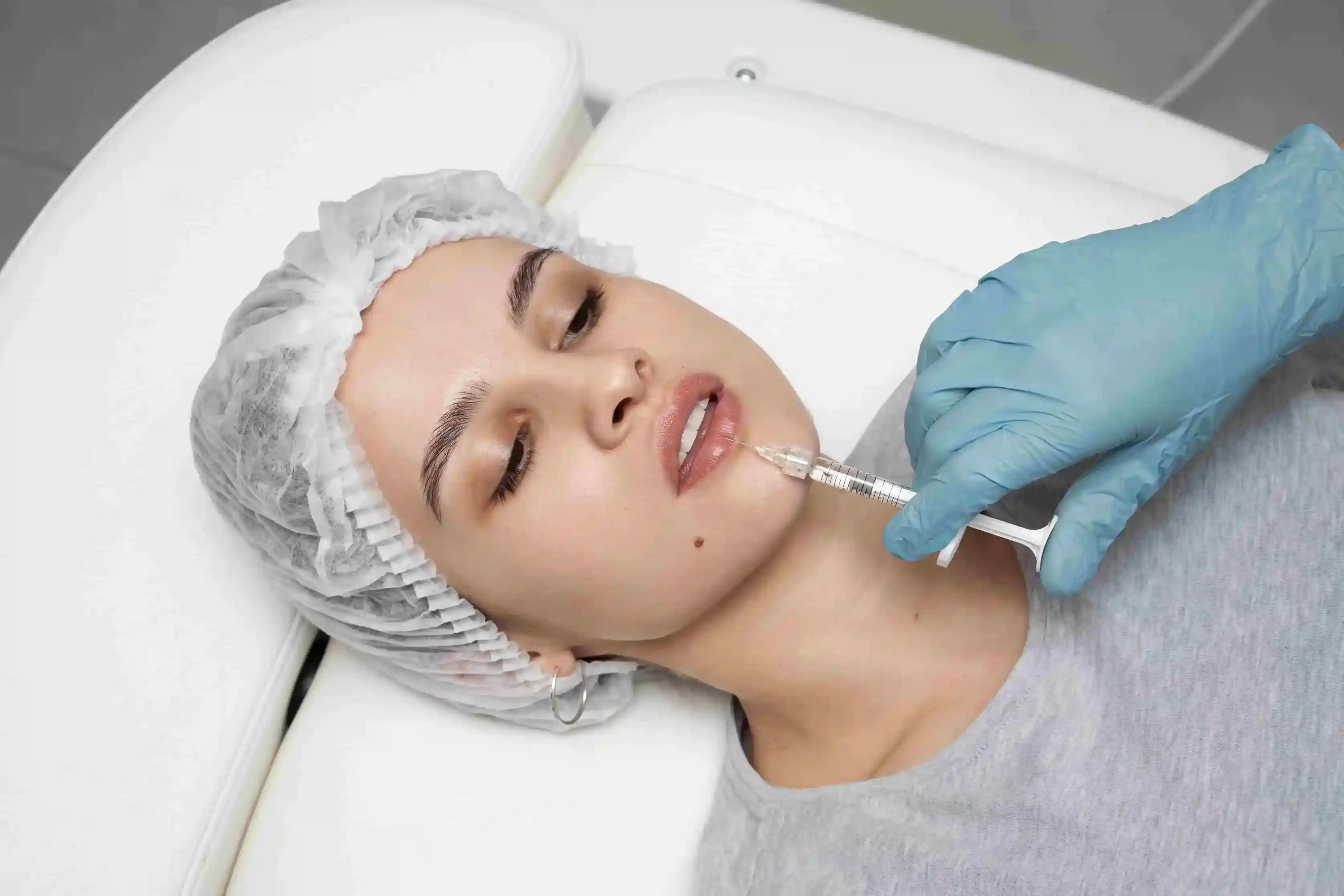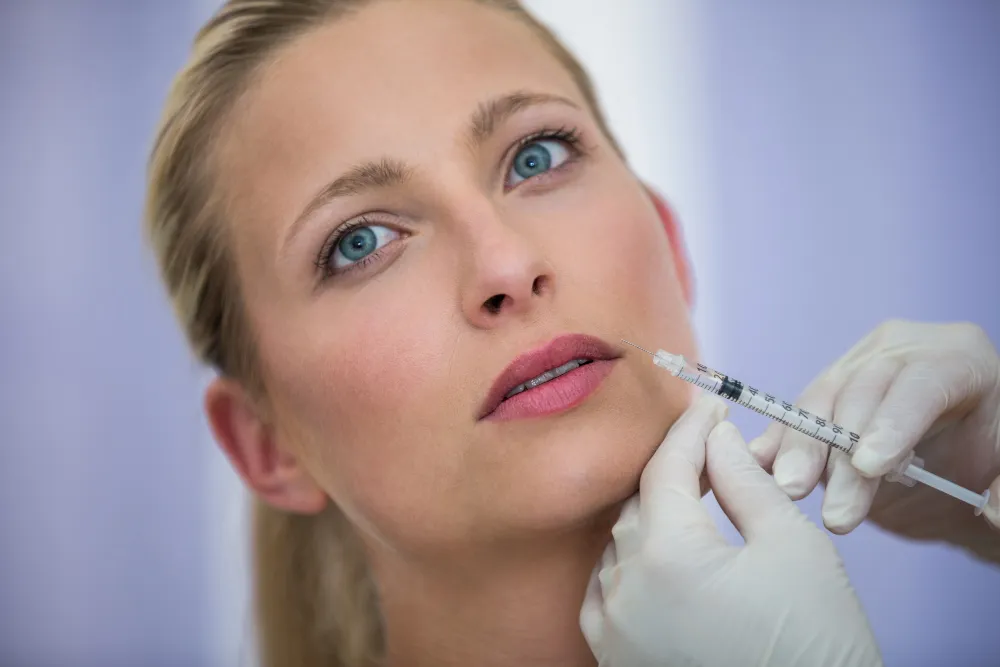




Vertical lip lines—clinically referred to as perioral rhytids or "smoker’s lines"—represent one of the most intricate challenges in facial rejuvenation. These fine vertical etchings do more than just age the face; they disrupt lip symmetry, cause "lipstick bleeding," and create a perpetually tense or fatigued expression. Because the skin in the perioral zone is exceptionally thin and under constant muscular stress, treatment requires a high degree of precision and specialized product rheology.
Juvéderm hyaluronic acid fillers, particularly those utilizing advanced Vycross technology, have become the clinical benchmark for softening these lines. This 2025 guide explores the pathophysiology of smoker's lines, realistic before-and-after expectations, and the specialized injection strategies required for safe, natural-looking results.
Pathophysiology: Why Vertical Lip Lines Form
The development of vertical lip lines is a multi-factorial process involving both intrinsic aging and extrinsic stressors. It is a common misconception that these lines only affect smokers; in reality, they are driven by:
- Repetitive Muscular Contraction: The orbicularis oris muscle acts like a drawstring. Constant pursing—whether from speaking, eating, or smoking—eventually etches dynamic lines into static wrinkles.
- Dermal Thinning: The loss of Type I collagen and elastin reduces the skin's ability to "snap back" after movement.
- Volume Loss: As the maxillary bone and the fat pads of the upper lip atrophy, the skin loses its underlying support, causing it to collapse into folds.
Why Juvéderm is the Preferred Choice for Perioral Rhytids
For the delicate upper lip area, the "lift" capacity of a filler is less important than its tissue integration. If a filler is too cohesive or high-G', it will appear as a visible ridge when the patient smiles. Juvéderm formulations, specifically Juvéderm Volbella, are designed with a lower HA concentration and high elasticity. This allows the gel to move seamlessly with the lips, providing hydration and structural support without adding unnatural bulk.
Realistic Expectations: Softening vs. Erasing
When reviewing before-and-after results, it is vital to distinguish between a "filtered" look and clinical reality. Successful Juvéderm treatment for smoker's lines focuses on:
- Subtle Refinement: The goal is to soften the depth of the "barcode" lines, making them less visible at rest.
- Textural Improvement: HA increases the dermal water-binding capacity, giving the upper lip a smoother, "airbrushed" appearance.
- Dynamic Harmony: Ensuring the lines remain softened even during animation (speaking or puckering) without creating a stiff "frozen" look.
Advanced Injection Strategies for Smoker’s Lines
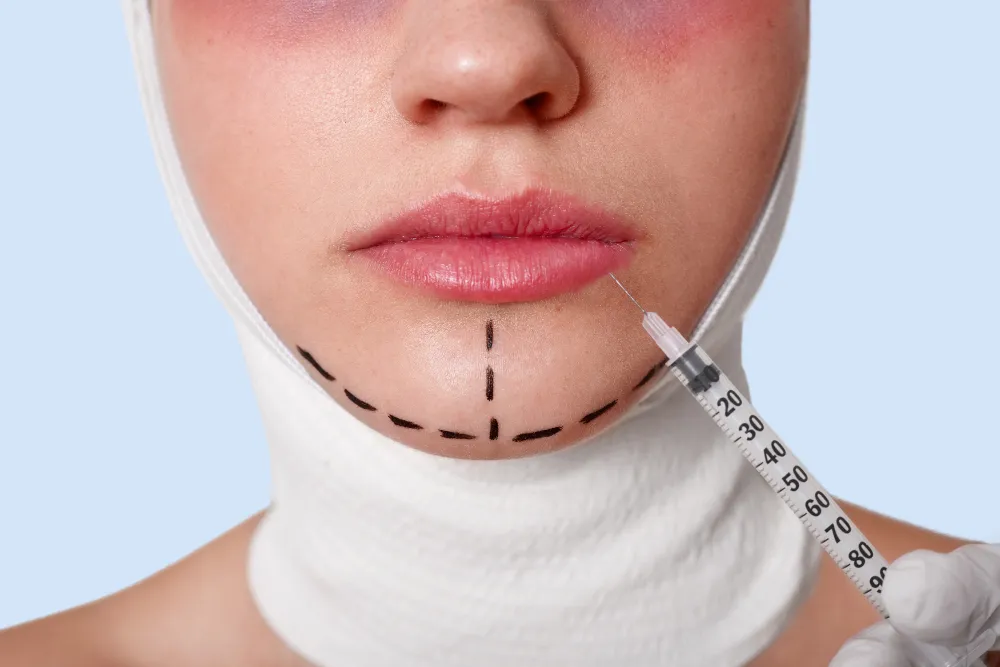
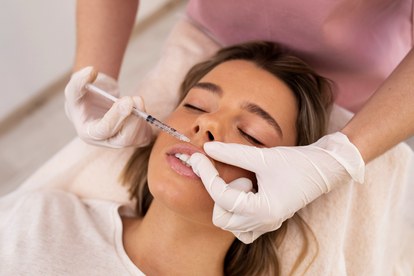
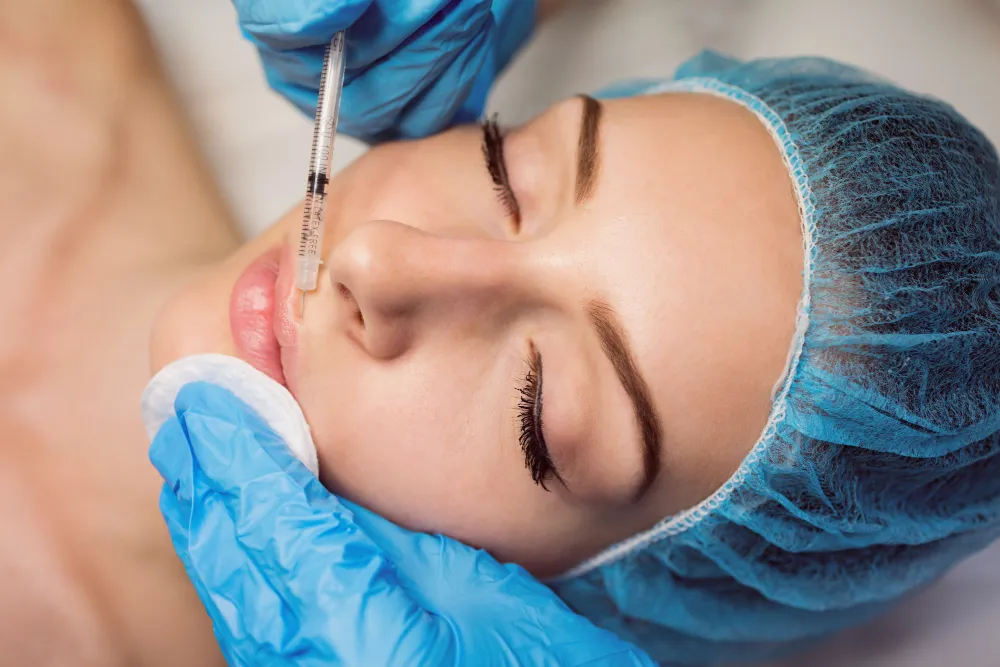
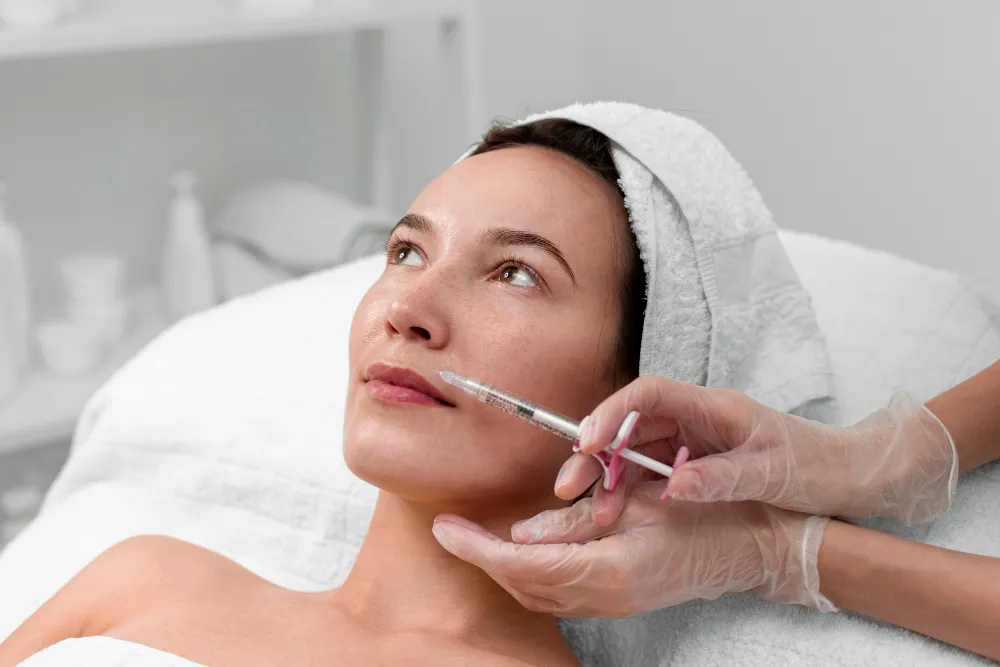
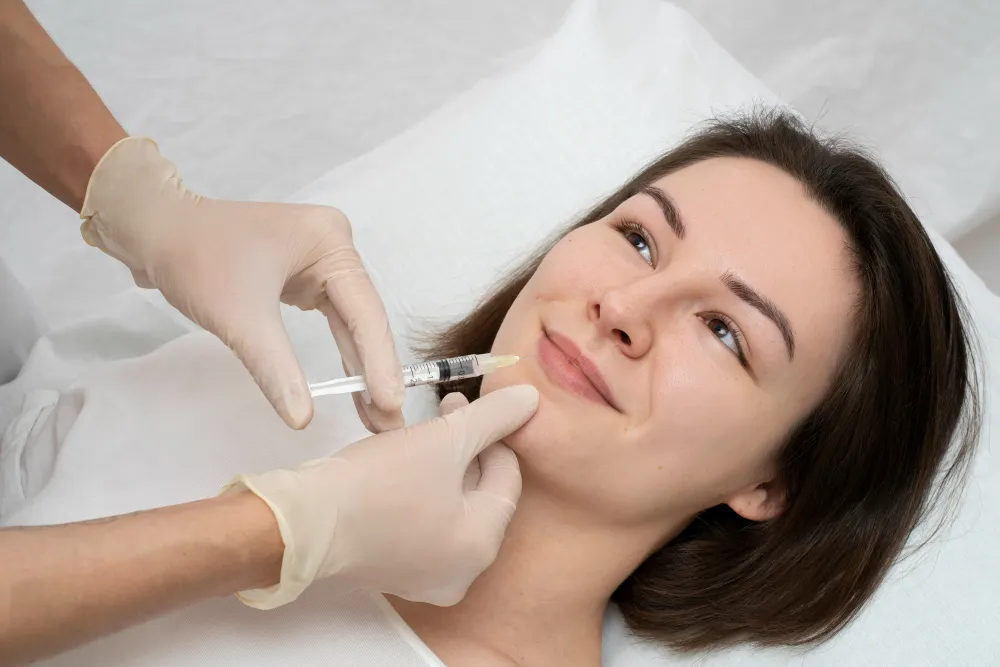
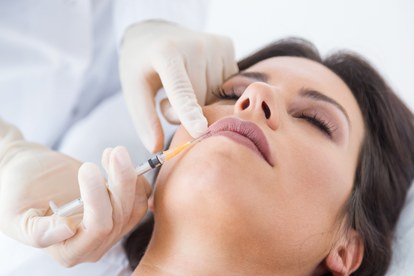
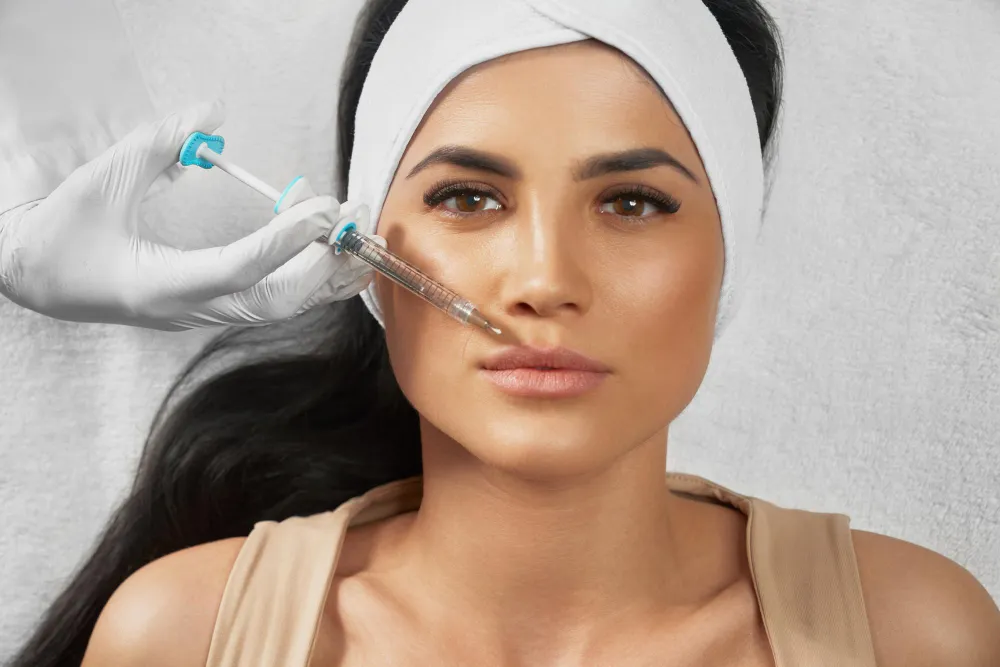
Treating this zone is an art of micro-dosing. Practitioners typically utilize one or a combination of the following techniques:
| Technique | Mechanism of Action | Clinical Benefit |
|---|---|---|
| Blanching Technique | Multi-puncture, ultra-superficial placement | Directly targets the etched crease without adding volume |
| Linear Threading | Micro-threads placed along the vermilion border | Restores the "architectural" border and prevents lipstick bleed |
| Sandwich Technique | Deep support combined with superficial fanning | Addresses both deep volume loss and surface texture |
Filler vs. Botox: The Synergistic Approach
While Juvéderm fills the "valleys" of the wrinkles, perioral Botox targets the "peaks" by relaxing the muscle. Many 2025 protocols suggest a combined approach: 2-4 units of a neuromodulator to stop the repetitive creasing, followed 2 weeks later by Juvéderm Volbella to smooth the remaining static lines. This dual action significantly extends the longevity of the filler.
Safety Considerations: Avoiding the "Filler Mustache"
The upper lip is a high-risk zone for filler migration. If a practitioner uses too much product or a filler that is too hydrophilic (attracts too much water), the product can migrate upward into the cutaneous lip. This creates a "shelf" effect, colloquially known as the lip filler mustache. Avoiding this requires conservative dosing—typically no more than 0.1 to 0.5 ml total for the entire perioral region per session.
Longevity and Maintenance
Because the mouth is the most mobile part of the face, filler breaks down faster here than in the cheeks or chin. Most patients see results last 6–9 months. Maintaining the effect involves small "micro-touchups" rather than full re-treatments, ensuring the skin remains supple without becoming over-projected.
For more deep-dives into perioral rejuvenation, visit our clinical resource center at Unboxed Fillers.
FAQ: Juvéderm for Smoker's Lines
Which Juvéderm is best for fine lip lines?
Juvéderm Volbella XC is the gold standard due to its low HA concentration and thin, spreadable consistency that avoids lumps.
Will this make my upper lip look "puffy"?
Not when performed correctly. Using Vycross fillers (like Volbella) ensures low water absorption, meaning the lines are smoothed without systemic swelling.
Does the injection hurt?
The perioral area is sensitive, but Juvéderm formulations contain 0.3% Lidocaine, and topical numbing cream is standard to ensure comfort.
When can I wear lipstick after the procedure?
It is recommended to wait 24 hours to allow the injection points to close and prevent infection or irritation.
Professional Disclaimer: This content is for educational purposes and is intended for licensed medical professionals. Perioral injections require deep knowledge of the Superior Labial Artery to avoid vascular compromise. Always consult a board-certified specialist.