



What Are Smile Lines?
Smile lines are the vertical creases that extend from the sides of the nose down to the corners of the mouth. While they are a normal part of facial anatomy, they deepen over time due to several contributing factors:
- Midface volume loss: Atrophy of deep fat pads in the cheeks.
- Cheek descent: Gravity acting on aging tissues.
- Collagen and elastin depletion: Natural loss of skin thickness and elasticity.
- Dynamic movement: Years of repetitive facial expressions, such as smiling and laughing.
How Filler in Smile Lines Works
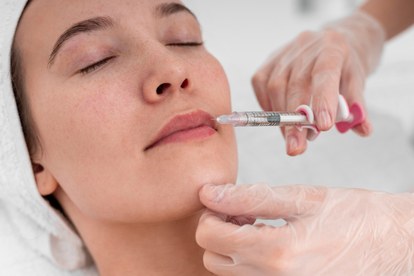
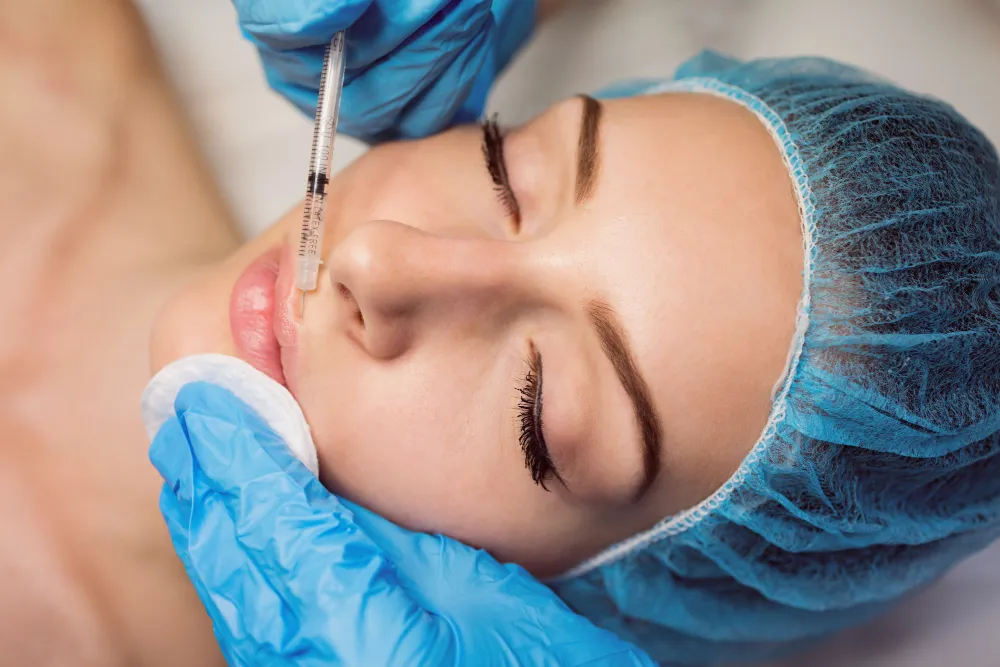
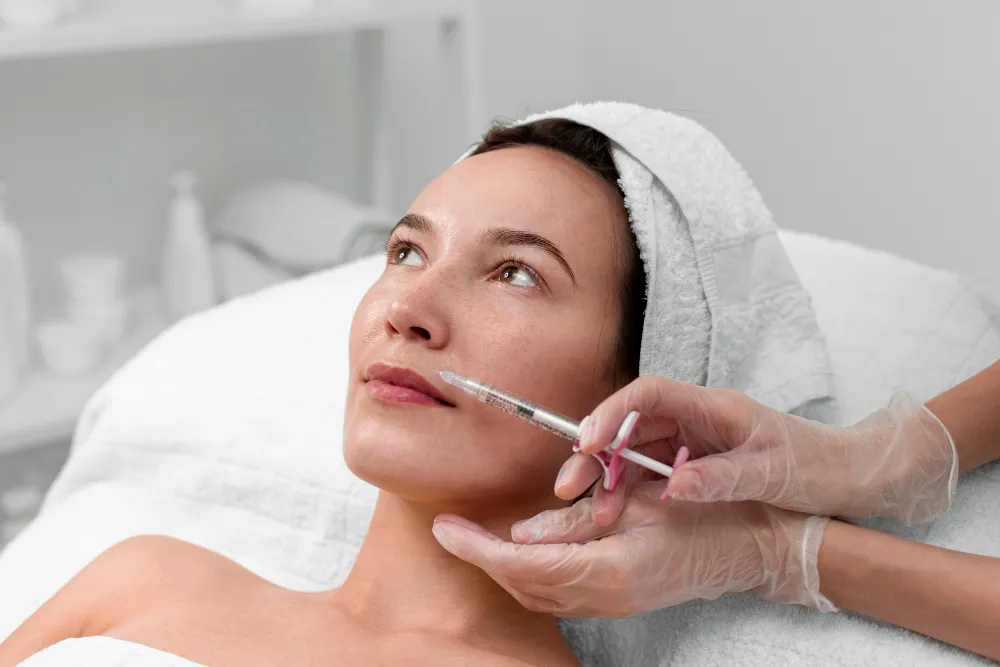
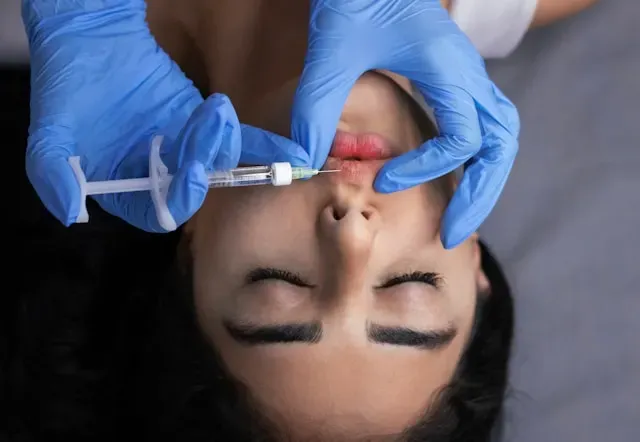
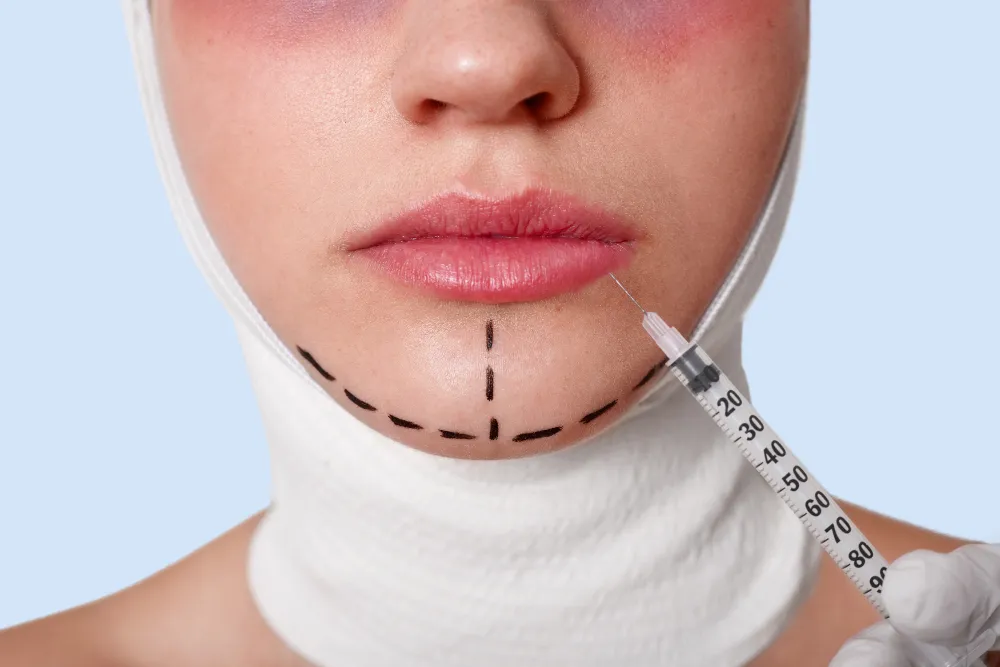
Dermal fillers work by restoring lost volume beneath the fold and providing essential support to the surrounding midface. The clinical objective is to soften the depth of the crease and create a smooth contour transition between the cheek and the perioral (mouth) area.
The vast majority of treatments utilize hyaluronic acid (HA) based fillers. HA is a naturally occurring substance in the body that attracts moisture, integrates seamlessly into the tissue, and provides immediate structural support.
Explore products within the broader category of Dermal Fillers.
Direct Smile Line Treatment vs. Cheek Support
Aesthetic practitioners generally evaluate the face as a whole and use one of two primary approaches (or a combination of both):
- Midface Structural Lift: In many cases, the best "smile line filler" is actually cheek filler. By injecting higher up in the midface, the practitioner indirectly lifts the tissue, smoothing the lower folds organically.
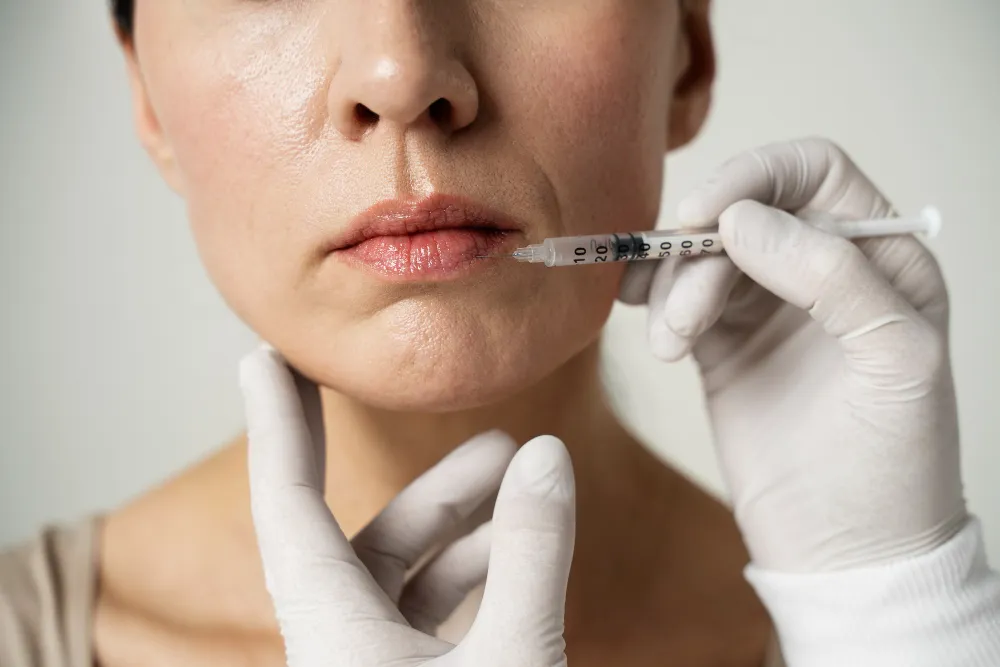
- Direct Fold Correction: Filler is placed directly into the nasolabial fold to plump the specific crease. This is often done for superficial lines or after the midface has been supported.
Best Fillers for Smile Lines and Cheek Support
Product selection depends strictly on fold depth, tissue thickness, and desired longevity. Here is a clinical comparison of top professional options:
| Product | Composition | Best For | Avg. Longevity |
|---|---|---|---|
| Juvederm Voluma | HA + Lidocaine | Robust structural midface lifting | Up to 24 months |
| Restylane Lyft | HA + Lidocaine | Firm lift for deeper structural folds | 12–18 months |
| Stylage Bi-Soft XL | HA + Lidocaine + Mannitol | Balanced contouring & integration | 12–18 months |
| Ellansé M | PCL (Biostimulator) | Collagen production & long-term volume | Up to 24 months |
Treatment Experience: Is It Painful?
Patient comfort is a priority during injectable procedures. Most premium dermal fillers (indicated by the word "Lidocaine" or "Lido" in their name) contain a built-in local anesthetic.
Additionally, practitioners typically apply a topical numbing cream 15–30 minutes before the procedure. While you may feel pressure or a slight pinching sensation, the treatment is generally well-tolerated and described as mildly uncomfortable rather than painful.
Pre- and Post-Treatment Care
Proper preparation and aftercare significantly reduce the risk of side effects like bruising and swelling.
Before Treatment (Pre-Care)
- Avoid blood-thinning medications (Aspirin, Ibuprofen) and supplements (Vitamin E, Fish Oil, Ginkgo Biloba) for 3–5 days prior to your appointment.
- Refrain from consuming alcohol for at least 24 hours before the procedure.
After Treatment (Post-Care)
- Do not touch, rub, or apply pressure to the treated area for 24 hours.
- Avoid strenuous exercise, saunas, and extreme heat for 48 hours to minimize swelling.
- Sleep with your head slightly elevated on an extra pillow the first night.
Side Effects and Safety Risks
While generally safe when performed by a qualified professional, filler injections carry some risks. Common and temporary side effects include mild swelling, bruising, redness, and tenderness at the injection site. These typically resolve within 3 to 7 days.
Severe risks: The nasolabial area contains the facial artery. If filler is accidentally injected into a blood vessel, it can cause vascular occlusion (blockage of blood flow), which can lead to tissue necrosis if not immediately treated. This highlights the absolute necessity of choosing an experienced medical provider with an in-depth understanding of facial anatomy.
For more detailed safety guidelines, refer to the FDA: Dermal Fillers — Do’s and Don’ts.
Reversibility: What If You Don’t Like the Results?
One of the greatest advantages of using Hyaluronic Acid (HA) fillers is that they are completely reversible. If you experience an adverse reaction, asymmetry, or simply are unhappy with the aesthetic outcome, your provider can inject an enzyme called hyaluronidase. This enzyme safely dissolves the HA filler within 24 to 48 hours.
Contraindications: Who Should Avoid Fillers?
Smile line fillers are not for everyone. You should avoid this treatment if you:
- Are pregnant or breastfeeding.
- Have an active skin infection, inflammation, or cold sores (herpes simplex) in the treatment area.
- Suffer from uncontrolled autoimmune diseases.
- Have a history of severe allergies or anaphylaxis.
- Are prone to developing keloid or hypertrophic scars.
Cost Factors to Consider
The cost of smile line correction varies widely. It is typically priced per syringe. Factors influencing the total price include:
- The specific brand and type of filler used.
- The volume required (most patients need 1 to 2 syringes, depending on the severity of volume loss).
- The geographic location of the clinic and the expertise level of the practitioner.
Are Fillers Always the Right Answer?
Not all nasolabial folds are best treated with fillers. Depending on your specific anatomy:
- Severe Skin Laxity: May require surgical intervention (facelift) or energy-based tightening (Ultherapy, RF microneedling).
- Hyperactive Muscle Movement: May benefit from targeted neuromodulators (like Botox) if a "gummy smile" exacerbates the folds.
- Overall Tissue Thinning: Biostimulators (like Sculptra or Radiesse) might be recommended to build global collagen networks.
FAQ: Smile Lines Fillers
How long do fillers last in smile lines?
Typically 9–18 months. Longevity depends on the specific filler formulation, injection depth, and your body's individual metabolism.
Is the procedure painful?
Discomfort is minimal. Most modern fillers contain lidocaine, and providers use topical numbing cream prior to injection to ensure patient comfort.
Can smile line fillers be dissolved?
Yes. Fillers made of hyaluronic acid (HA) can be easily and safely dissolved using an injectable enzyme called hyaluronidase.
Is direct filler in smile lines better than cheek support?
It depends on the root cause. If volume loss in the midface contributes heavily to the fold, restoring cheek support is usually the most effective primary step.
Do smile line fillers look natural?
Yes, when performed conservatively by an expert. The clinical goal is softening the shadows of natural facial folds, not completely eliminating them, which can result in a "puffy" or unnatural look.
Related Resources on Unboxed Fillers
- Dermal Fillers Overview
- Understanding Hyaluronic Acids
- Browse All Product Categories
- Frequently Asked Questions
Smile line treatment focuses on restoring structure and balance. Proper clinical assessment, adherence to safety protocols, and expert product selection are essential for predictable, beautiful outcomes.
For more useful insights, explore additional articles on Unboxed Fillers.
Professional Medical Disclaimer: This content is provided for educational and informational purposes only and does not constitute medical advice. All injectable procedures must be performed by qualified, licensed healthcare professionals in accordance with approved medical standards. Please review our full Disclaimer before proceeding with any cosmetic treatments.