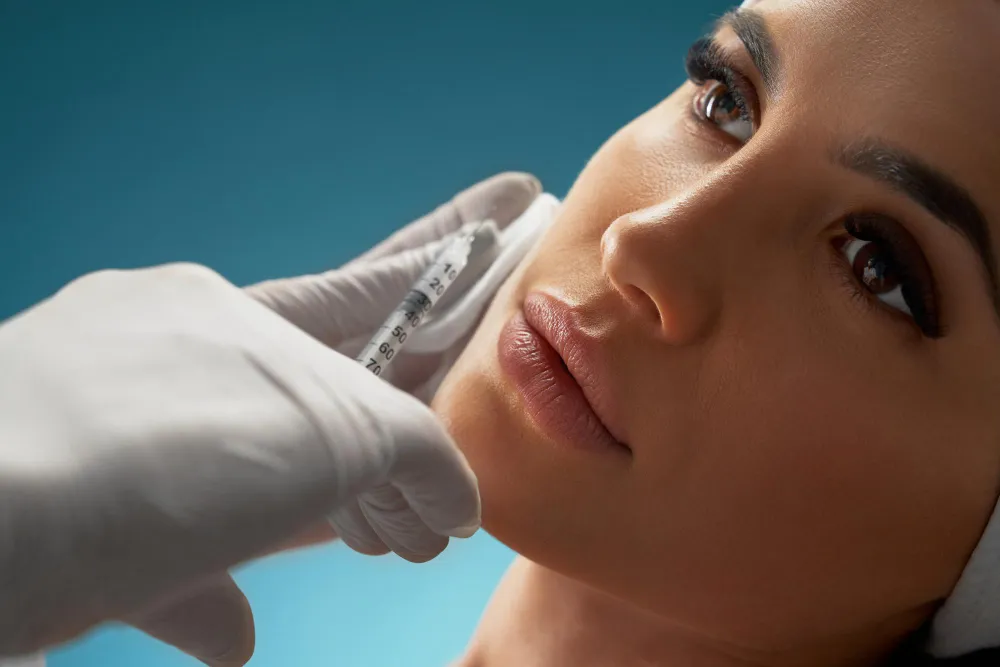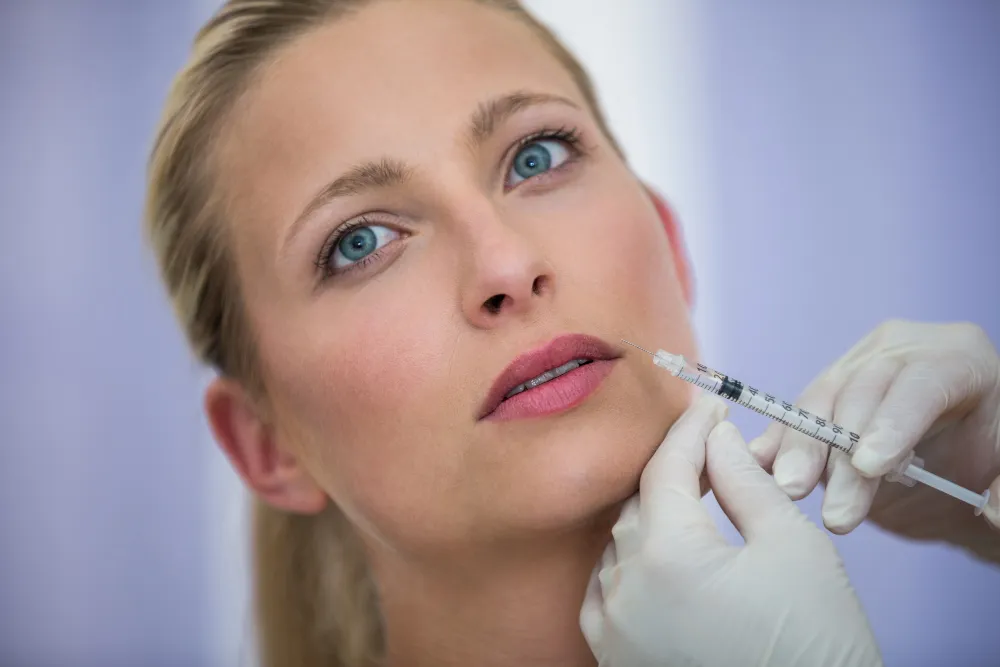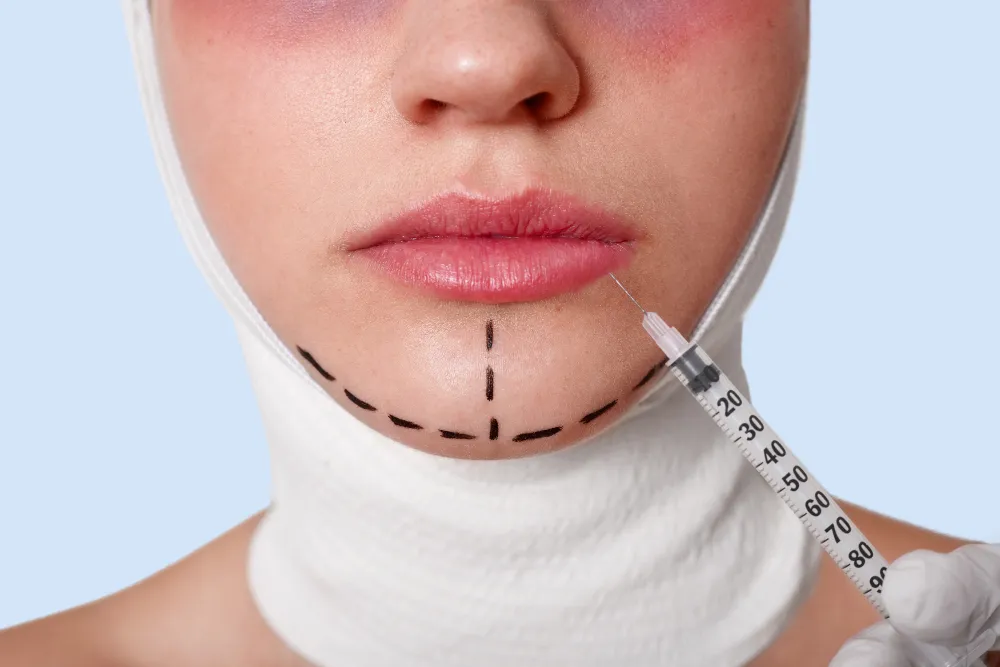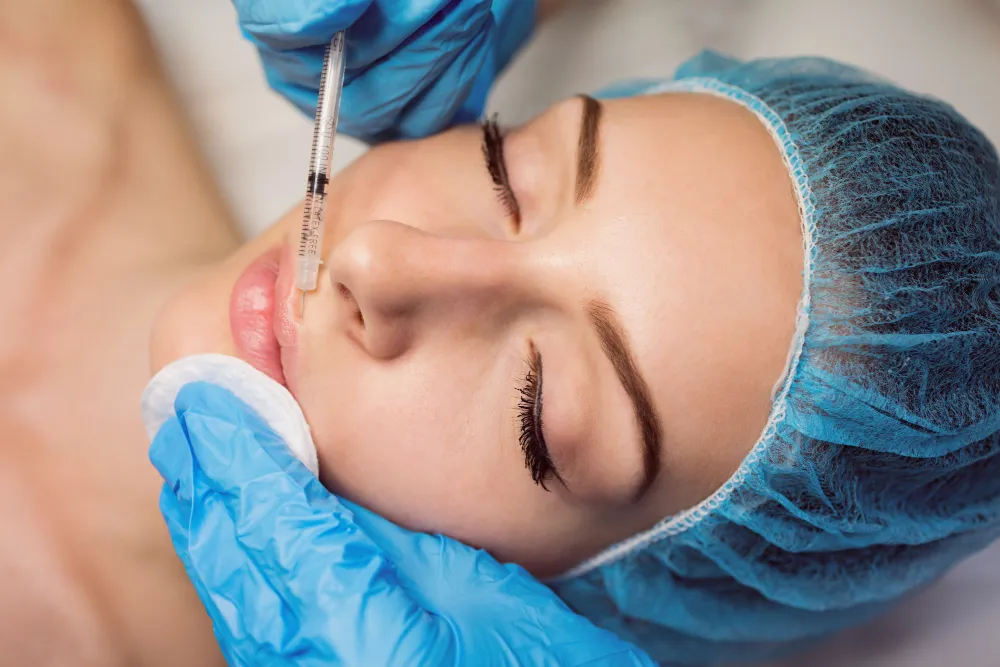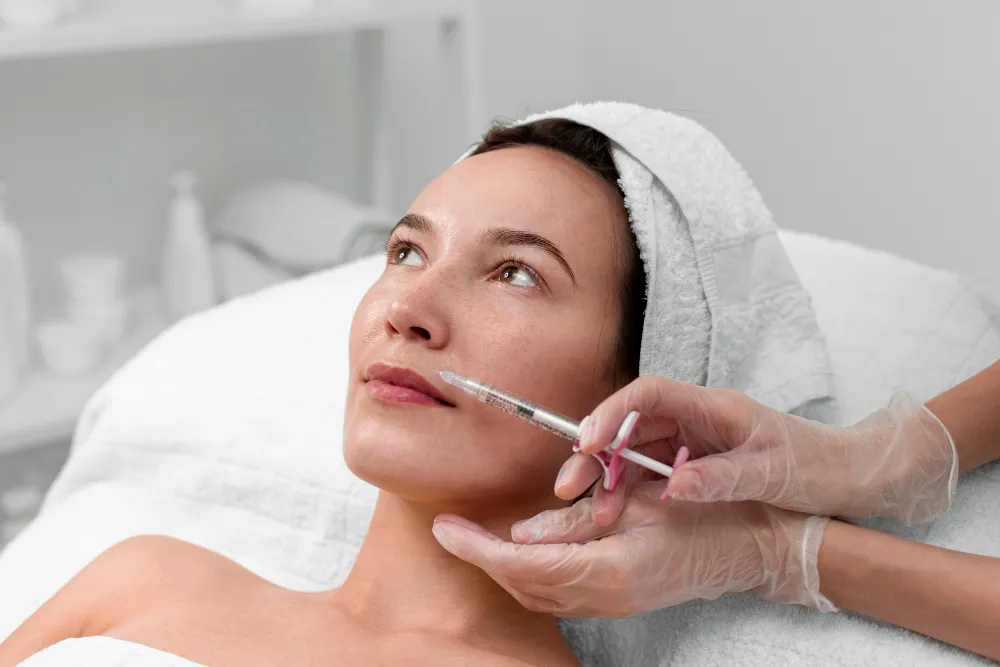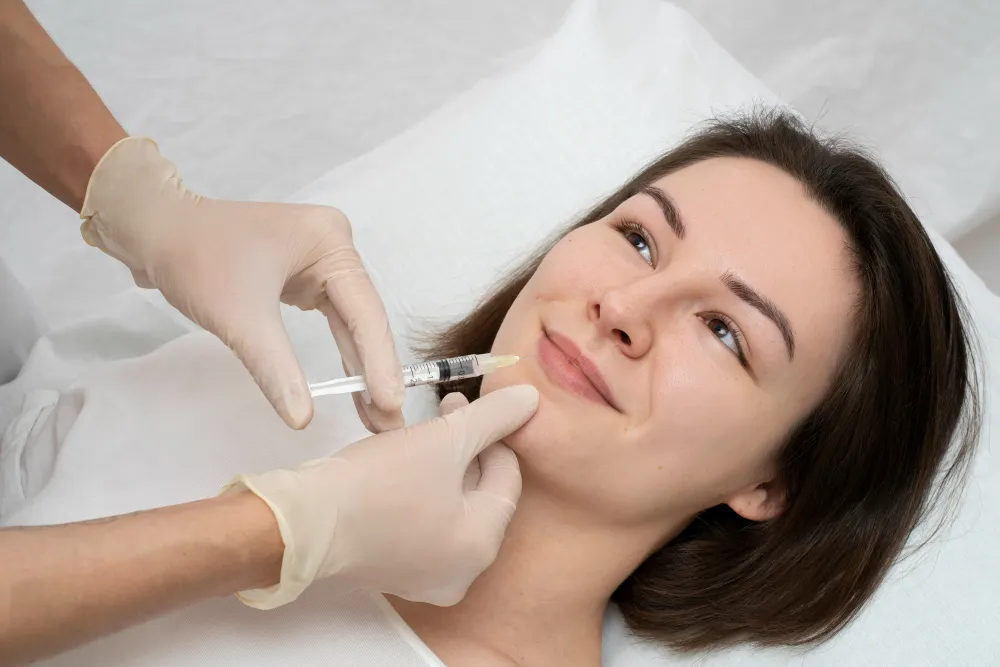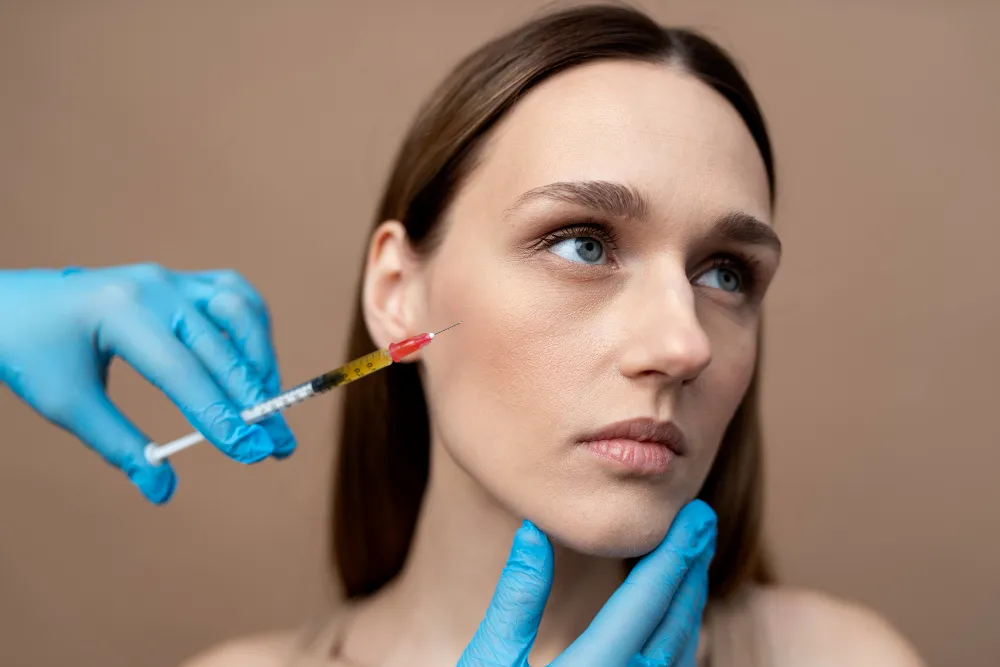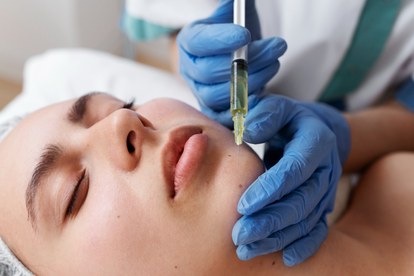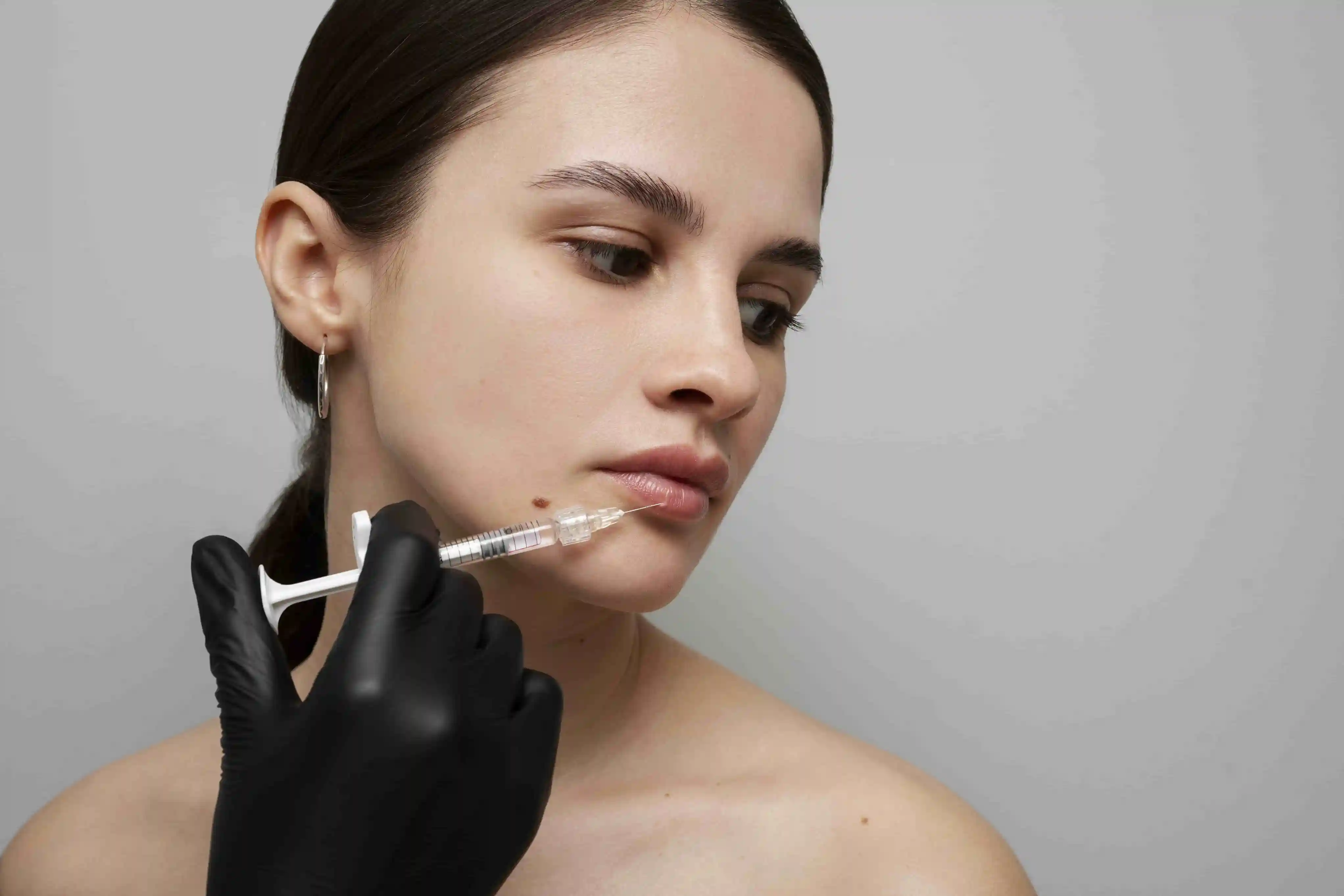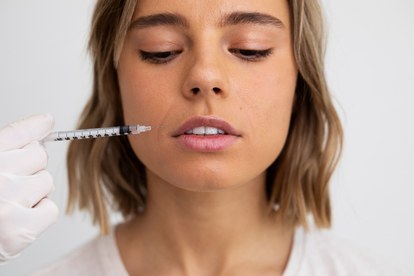




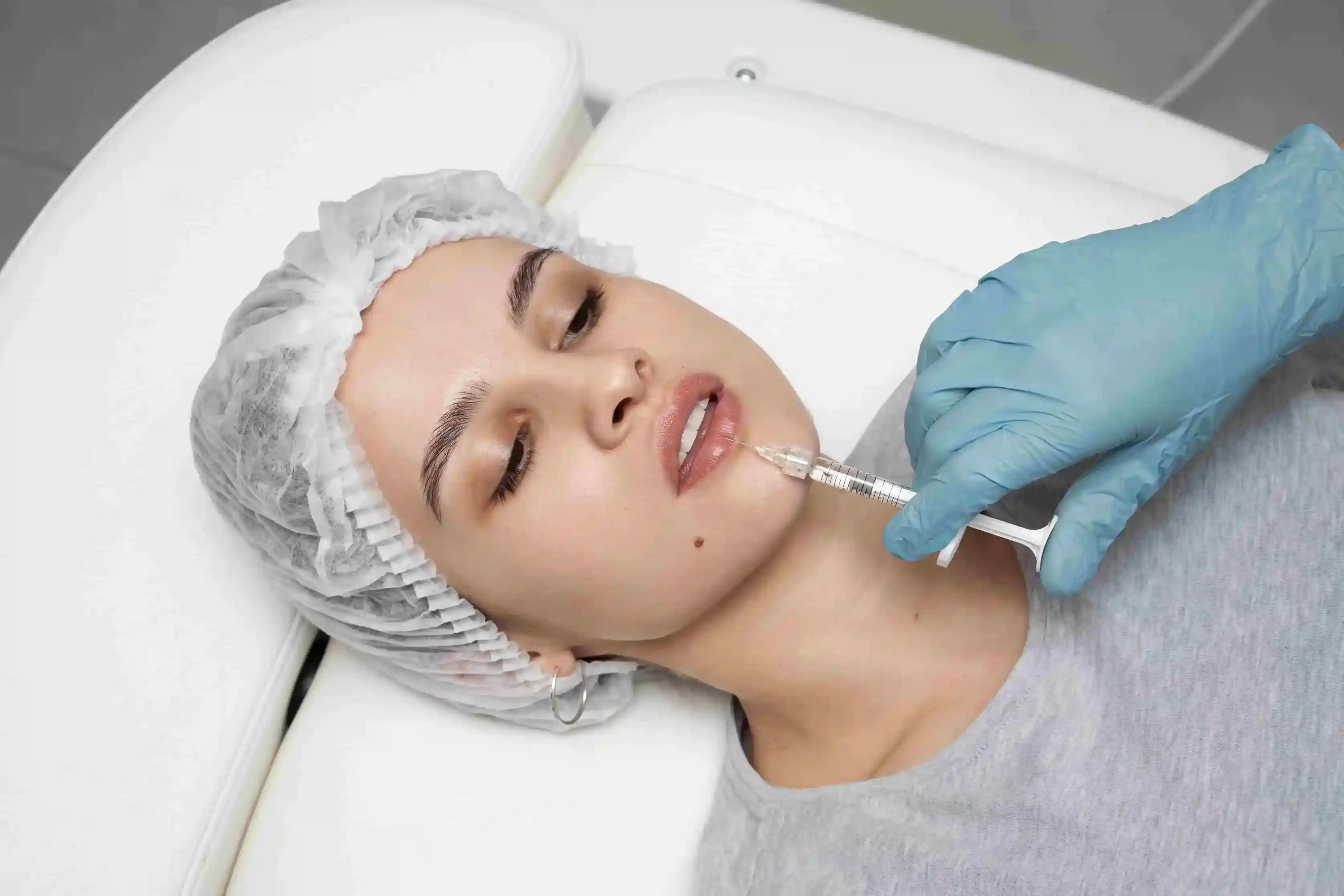
Juvederm stands as the global benchmark for hyaluronic acid (HA) dermal fillers, manufactured by Allergan Aesthetics (an AbbVie company). Designed for multi-layer facial rejuvenation, the Juvederm collection offers tailored solutions for volume restoration, fine-line correction, and structural contouring. Especially in high-demand markets like California, Texas, and Florida, it remains a primary choice for clinicians aiming for predictable, natural-looking results.
With CDC data from 2025 indicating that over 20% of adults now utilize minimally invasive cosmetic treatments, understanding the specific rheological profiles of Juvederm products is essential for informed patient care and optimal aesthetic outcomes.
What Is Juvederm? Understanding HA Integration
Juvederm is a portfolio of FDA-approved hyaluronic acid fillers. Because HA is a naturally occurring glycosaminoglycan in the skin, these gels exhibit high biocompatibility, allowing them to integrate into the extracellular matrix while providing immediate hydration and lift.
The current Juvederm product range includes specialized formulations for varying tissue depths:
- Juvederm Ultra 2 — Subtle definition.
- Juvederm Ultra 3 — Lip volumization and fold correction.
- Juvederm Ultra 4 — Deep structural support.
- Juvederm Ultra Smile — Mucosal tissue enhancement.
- Juvederm Volbella with Lido — Perioral lines and tear troughs.
- Juvederm Volift Retouch — Precision touch-ups.
- Juvederm Volift with Lido — Nasolabial fold management.
- Juvederm Voluma with Lido — Midface projection.
Clinical Technology Insight: The portfolio is split between two core cross-linking technologies. Hylacross (Ultra series) produces highly hydrophilic gels that attract significant water for a robust volumizing effect. Vycross (Voluma, Volift, Volbella) utilizes a mix of low- and high-molecular-weight HA, resulting in a more cohesive, smoother gel with higher tissue integration and longer durability.
What Is Juvederm Used For? Target Aesthetic Zones
Modern Juvederm application follows a "Total Face Approach," addressing the structural, foundational, and superficial layers of the skin.
Key clinical indications include:
- Lip Augmentation: Correcting asymmetry, enhancing volume, and defining the vermilion border.
- Midface Rejuvenation: Restoring the Ogee curve through cheek lifting and malar contouring.
- Lower Face Support: Defining the jawline and providing chin projection.
- Dynamic Folds: Softening nasolabial folds and marionette lines without restricting movement.
- Perioral Rejuvenation: Smoothing vertical "smoker's lines" and correcting tear trough hollows.
How Long Does Juvederm Last? Longevity Factors
The duration of results varies significantly based on the product's cross-linking density (G-Prime), the anatomical site, and the patient's biological response. Generally, results persist between 6 and 24 months.
Juvederm Longevity & Placement Comparison
| Product | Primary Indication | Average Longevity |
|---|---|---|
| Voluma XC | Cheeks & Chin (Supraperiosteal) | Up to 24 months |
| Volift / Vollure | Deep Dermis (Nasolabial Folds) | 12–15 months |
| Ultra 3 / Ultra Plus | Lip Body & Moderate Folds | 9–12 months |
| Volbella | Tear Troughs & Fine Lines | Up to 12 months |
Factors that influence metabolic degradation include high levels of physical activity, frequent sauna use, and individual hyaluronidase levels. Maintenance sessions are typically recommended before the product has completely metabolized to sustain structural integrity.
Safety, Reversibility, and Complication Management
Juvederm has an excellent safety profile when administered by licensed professionals. However, temporary side effects such as erythema, localized edema, and mild ecchymosis (bruising) are common post-procedure.
Is Juvederm reversible?
Yes. One of the primary advantages of the Juvederm portfolio is that all products are 100% reversible. If an adverse event or over-correction occurs, a clinician can use hyaluronidase to enzymatically dissolve the HA gel immediately.
Advanced Preparation and Aftercare Protocols
Adhering to strict pre- and post-treatment protocols minimizes complications and ensures a smooth recovery.
Pre-Treatment Guidelines:
- Suspend use of NSAIDs (Aspirin, Ibuprofen) and supplements like fish oil 7 days prior (with physician approval).
- Abstain from alcohol for at least 24 hours to reduce vascular dilation.
- Inform your provider of any history of herpes simplex (cold sores) for prophylactic antiviral coverage.
Post-Treatment Guidelines:
- Avoid strenuous cardiovascular exercise and high-heat environments (saunas, steam rooms) for 24–48 hours.
- Maintain an upright position and avoid sleeping on the face for the first few nights.
- Do not apply firm pressure or massage the area unless specifically directed by your injector.
Juvederm FAQ: Critical Patient Questions
Can Juvederm fillers migrate?
While migration is rare, it is clinically possible if the filler's viscosity does not match the tissue plane. For example, injecting high-viscosity gels too superficially can lead to anterior displacement or the "shelf" effect, colloquially known as the lip filler mustache.
How many syringes are typically needed for a natural lip enhancement?
A single 1ml syringe is often the standard for a noticeable yet natural refinement. For patients seeking significant volume, 1.5–2 syringes may be required over multiple sessions.
When will I see the final result?
While the volume increase is immediate, initial swelling can mask the final outcome. Optimal results are typically visible 1–2 weeks post-injection once integration is complete.
Professional Disclaimer: This content is provided for educational purposes only and is intended for licensed medical professionals and informed readers. It does not constitute medical advice or clinical protocols. All injectable procedures must be performed by qualified healthcare providers in accordance with local regulations and anatomical assessments.