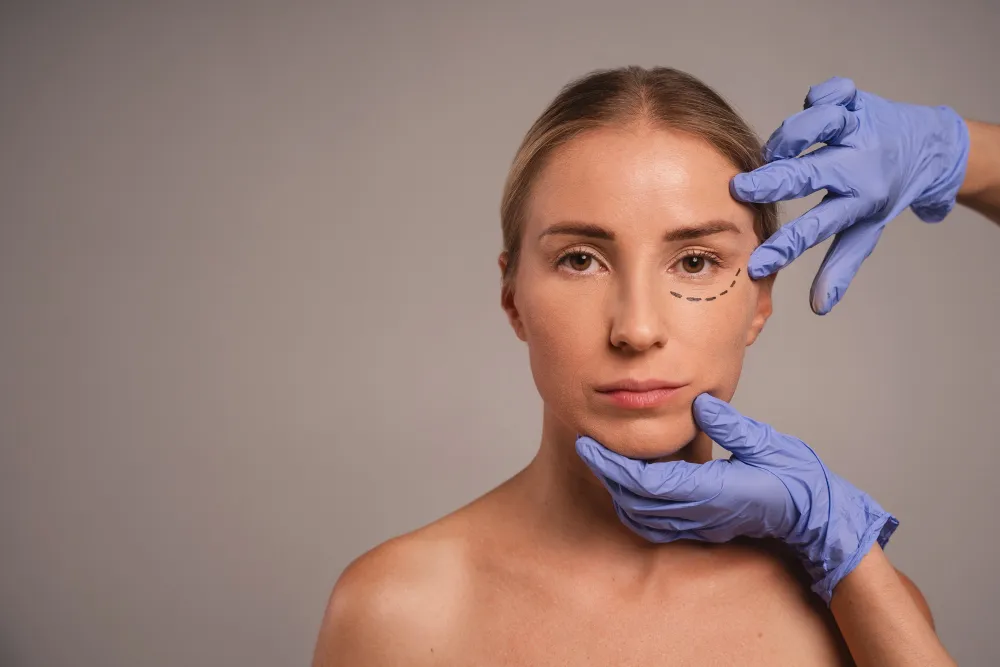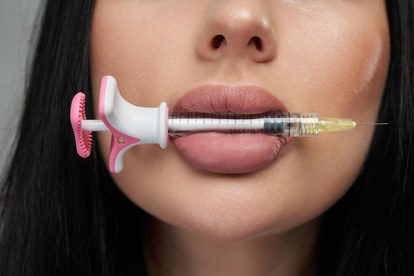





Radiesse and Juvederm are two widely used dermal fillers, but they differ significantly in composition, mechanism of action, and longevity.
Understanding these differences is essential when selecting the most appropriate product for structural contouring, volume restoration, or wrinkle correction.
Composition: What Are They Made Of?
Radiesse
Radiesse is composed of calcium hydroxylapatite (CaHA) microspheres suspended in a gel carrier. It provides immediate volume while stimulating collagen production over time.
Juvederm
Juvederm is a hyaluronic acid (HA)–based filler. Hyaluronic acid binds water and integrates into tissue for immediate volumization.
Explore HA-based products in the Hyaluronic Acids category.
Mechanism of Action
Radiesse
- Immediate structural lift
- Collagen stimulation over time
- Acts as a scaffold under the skin
Juvederm
- Immediate volume through water-binding properties
- Smooth gel integration
- Reversible with hyaluronidase
Longevity: Which Lasts Longer?
- Juvederm: typically 9–24 months depending on product and placement
- Radiesse: generally 12–18 months, sometimes longer due to collagen stimulation
Structural HA fillers such as Juvederm Voluma with Lidocaine and Juvederm Volux with Lidocaine are commonly used for long-lasting contouring.
Because Radiesse stimulates collagen, some patients experience extended structural improvement beyond the initial gel duration.
Reversibility
One of the major differences between Radiesse and Juvederm is reversibility.
- Juvederm (HA) can be dissolved with hyaluronidase.
- Radiesse is not reversible once injected.
This factor often influences product choice in first-time treatments or high-risk anatomical areas.
Best Treatment Areas
Radiesse is commonly used for:
- Jawline contouring
- Chin projection
- Deep nasolabial folds
- Hand rejuvenation
Juvederm is commonly used for:
- Lips
- Cheeks
- Chin
- Nasolabial folds
- Marionette lines
Juvederm products fall under the broader Dermal Fillers category and include multiple density options for different facial regions.
Texture and Feel
Radiesse is firmer and more structural. It is ideal for contouring and projection.
Juvederm varies by formulation — from softer gels for lips to high-density gels for jawline and chin.
Safety Considerations
Both products require precise anatomical knowledge and proper technique.
The FDA provides general safety information on dermal fillers:
FDA: Dermal Fillers (Soft Tissue Fillers)
Which Is Better: Radiesse or Juvederm?
There is no universal “better” option. The choice depends on:
- Treatment area
- Desired longevity
- Need for reversibility
- Structural vs soft volumization goals
For structural contouring with collagen stimulation, Radiesse may be preferred. For versatility and reversibility, Juvederm is often selected.
FAQ: Radiesse vs Juvederm
Does Radiesse last longer than Juvederm?
In some cases yes, particularly due to collagen stimulation, but high-density Juvederm products may last up to 24 months.
Is Radiesse stronger than Juvederm?
Radiesse is firmer and more structural, making it suitable for contouring rather than soft volumization.
Can Radiesse be dissolved?
No. Radiesse is not reversible, unlike hyaluronic acid fillers.
Which is better for chin filler?
Both can be used, but product selection depends on desired projection and practitioner preference.
Is Juvederm safer because it’s reversible?
Reversibility provides an additional safety option, but proper technique is essential with both products.
Related Resources on Unboxed Fillers
Radiesse and Juvederm serve different structural and aesthetic purposes. Product selection should prioritize anatomy, indication, and safety rather than longevity alone.
For more useful insights, explore additional articles on Unboxed Fillers.
Professional Disclaimer
This content is provided for informational purposes only and does not constitute medical advice. Injectable procedures must be performed by qualified healthcare professionals according to approved medical standards. Please review our full disclaimer: Disclaimer.