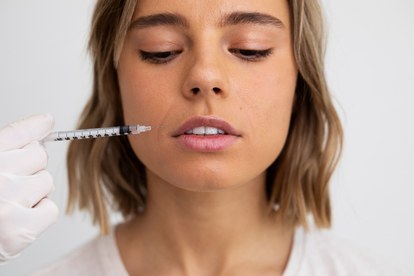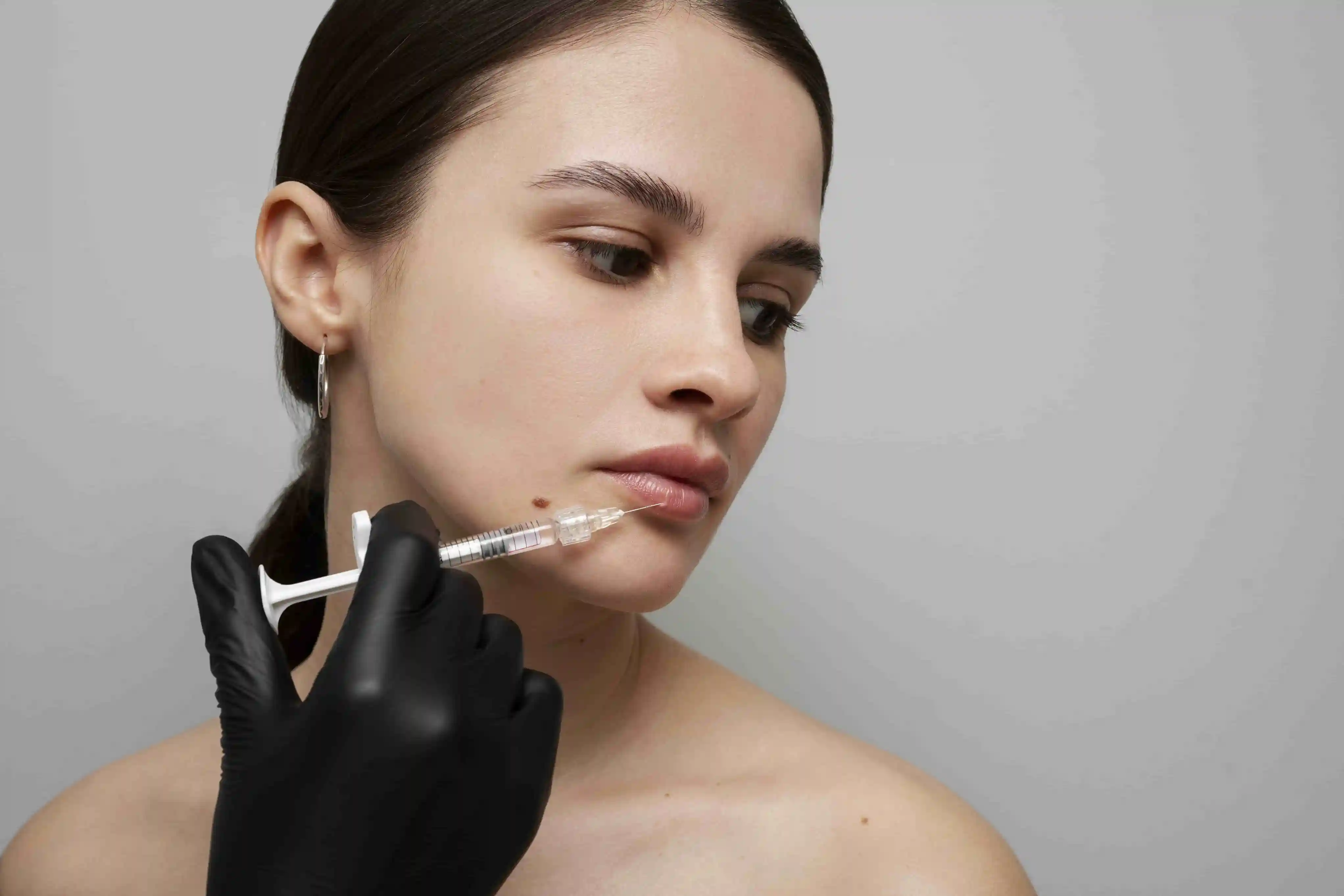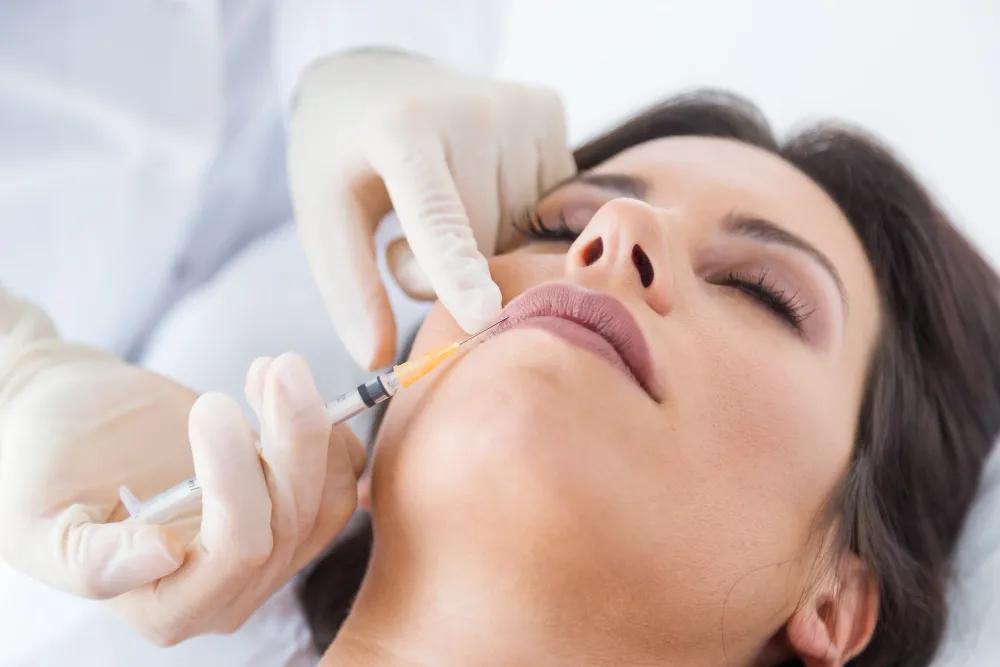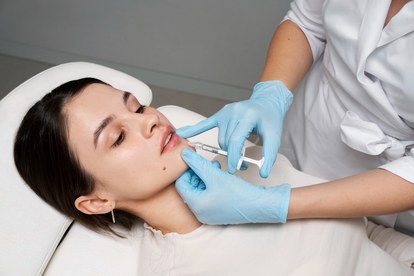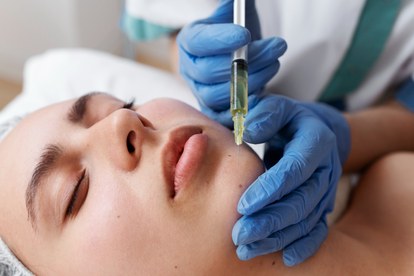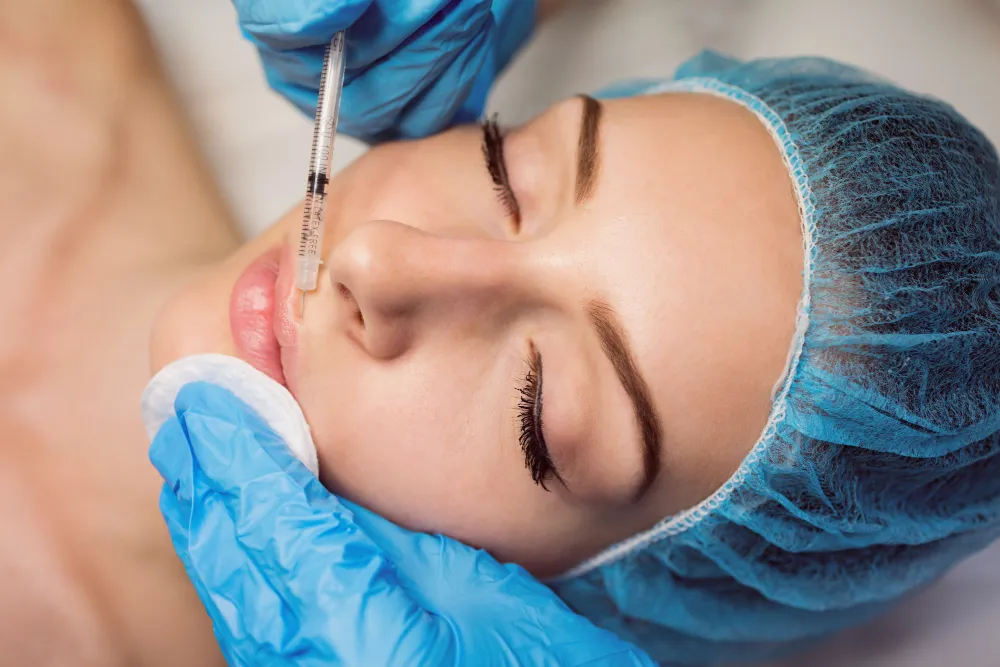





The rise of natural-looking lip filler has shifted the way people think about enhancement. Today, the goal isn’t to dramatically change the lips — it’s to refine what’s already there. A soft lift, a hydrated look, or a bit of balanced structure often does far more for facial harmony than obvious volume ever could.
This guide explains how natural lip filler results are created, what injectors look for when deciding how much product to use, and how you can maintain subtle, believable outcomes over time.
What Makes Lip Filler Look Natural?
| Feature | Natural Look | Overfilled (Unnatural) |
|---|---|---|
| Cupid’s Bow | Softly defined, maintains the "M" curve | Flattened or "sausage-like" appearance |
| Philtrum Columns | Two distinct vertical ridges visible | Smooth and flat (filler migration sign) |
| Oral Commissures | The corners of the mouth look "lifted" | Look "heavy" or "bulky" at the edges |
Natural lip results follow a few consistent principles:
- The bottom lip is usually fuller than the top.
- The cupid’s bow is defined but not sharp.
- The lips look smooth, not swollen.
- Filler disappears into the lip structure rather than sitting on top.
When filler respects your natural proportions, it enhances without overpowering.
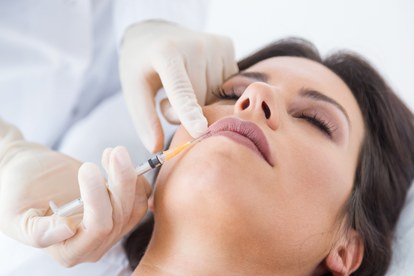
How Injectors Create a Natural Lip Filler Look
Achieving a natural finish isn't about the brand of filler; it’s about respecting the phi ratio (1:1.6). When evaluating a patient, we look at the intercommissural distance (the width of the mouth) and the projection of the chin. If the chin is weak, even a conservative 0.5ml can look like 'duck lips' because the lower face lacks the structural balance to support fuller lips.
Signs of a Natural Lip Filler Result
- The lips stay soft and mobile during expression.
- The upper lip doesn’t overshadow the lower lip.
- You can’t pinpoint the exact “treated” areas.
- The enhancement looks like a genetic blessing, not a procedure.
How Injectors Decide Whether 0.5 ml Is Enough
Choosing the right amount isn’t random — injectors evaluate several structural factors:
Lip tissue thickness
Thinner lips often require a slow, conservative build to avoid distortion.
Vermilion height
If the natural lip surface is small, even 0.5 ml can look dramatic.
Muscle activity
A strong orbicularis oris muscle can compress filler; starting small helps assess how lips adapt.
Symmetry needs
Sometimes subtle adjustments are all that’s required.
First-time filler behavior
Many first-timers metabolize filler quicker initially, so injectors often refine the shape over two visits.
Why 0.5 ml Looks Different on Everyone
Two identical syringes can produce completely different outcomes depending on:
- Genetics — lip structure varies widely.
- Hydration levels — HA filler integrates better in hydrated tissue.
- Metabolism — athletes metabolize filler faster.
- Lip elasticity — some lips stretch naturally; others remain firm.
- Previous treatments — dissolved filler or scar tissue changes how filler settles.
These differences explain why 0.5 ml can feel transformative for some and barely noticeable for others.
What Most People Get Wrong About Lip Filler Costs
Price isn’t determined simply by syringe size. What you’re really paying for includes:
- Injector experience and knowledge
- Complication management readiness
- Time spent designing your treatment
- Medical-grade product handling
- Technique complexity
Great results come from expertise, not just filler.
Tips & Unknown Strategies for Natural Lip Filler
“Foundation First” — Support Before Volume
Many injectors begin by subtly supporting the lip base or corners, which immediately improves shape without adding bulk.
Enhancing Tubercle Projection
Instead of filling the entire lip, experts treat specific tubercles (small natural bumps) to lift the lips softly.
The Anti-Migration Rule
Avoiding injections too close to the white roll minimizes migration and keeps borders crisp.
Sub-Lip Structural Support
Placing tiny amounts of filler just under the lip (not inside it) strengthens projection without making the lip bigger.
“Stacking” Small Sessions
Using 0.5 ml at a time spaced weeks apart builds shape slowly, preventing puffiness and keeping everything natural.
Matching Filler Texture to Your Goals
Soft, elastic fillers are ideal for the lip body; medium gels are used for borders; firmer fillers support the philtral column. Most people don’t realize multiple textures may be used.
Micro-Dissolving Instead of Full Resetting
If migration occurs, dissolving only the problematic areas preserves good filler and avoids over-thinning the lips.
Pre-Treatment Lip Preparation
Hydrated, calm lips hold filler better. Avoiding irritants 48–72 hours before treatment makes the finish smoother.
The Movement Test
Expert injectors always check how the lips look when smiling, talking, and resting. True natural results look good in motion, not just when still.
Supporting the Surrounding Area
Sometimes, natural-looking lips require treating nearby structures — like the chin or fine perioral lines — to maintain facial balance.
How to Maintain a Natural Look Long-Term
1. Avoid Overfilling at Touch-Ups
Spacing treatments 6–12 months apart prevents a “stacked” or overly projected appearance.
2. Maintain Hydration
HA fillers bind water; dry tissue can look flat sooner.
3. Protect Your Lips From UV
UV breaks down filler faster — SPF lip balm helps extend longevity.
4. Consider Complementary Treatments
Fine lines or volume loss around the mouth can make filler look less natural. Addressing the area as a whole creates a softer look.
5. Refresh Strategically
Small touch-ups every 9–12 months maintain shape without building excessive volume.
Natural lip filler isn’t about adding the least amount or avoiding volume entirely — it’s about thoughtful placement, respect for anatomy, and long-term balance. When techniques are precise and maintenance is conservative, lip filler becomes nearly undetectable while still enhancing your features.
For more guides, insights, and aesthetic education grounded in real clinical experience, explore Unboxed Fillers.
Frequently Asked Questions
What does “natural-looking” lip filler actually mean?
Natural-looking lip filler enhances existing shape, hydration, and balance without obvious volume increase. The lips remain soft, proportionate, and expressive rather than overfilled or stiff.
Is 0.5 ml lip filler enough for natural results?
For many patients, yes. Especially in thinner lips or first-time treatments, 0.5 ml can subtly improve shape and hydration without visible overcorrection. Final suitability depends on anatomy and goals.
Can natural lip filler still be noticeable?
Yes — but in a refined way. Natural results are often noticed as improved symmetry, softness, or freshness rather than obvious “done” lips.
Why does the same amount of filler look different on different people?
Lip structure, tissue elasticity, muscle activity, hydration, and previous treatments all influence how filler integrates. This is why outcomes cannot be directly compared between individuals.
Does natural lip filler wear off faster?
Not necessarily. Longevity depends more on metabolism, product choice, and movement than on volume alone. Subtle treatments can last just as long as larger ones when placed correctly.
Can you build natural lips gradually over time?
Yes. Many injectors prefer a staged approach, using small amounts across multiple sessions to maintain control and prevent migration or overfilling.
What causes lips to stop looking natural over time?
Repeated overfilling, adding new filler without reassessing old product, migration, and ignoring facial balance are the most common reasons natural results are lost.
Are natural lip fillers reversible?
Most natural lip enhancements use hyaluronic acid fillers, which can be partially or fully dissolved if needed, allowing adjustments or corrections.
Is injector technique more important than filler brand?
Yes. While product choice matters, injector experience, anatomical understanding, and placement strategy play a far greater role in achieving natural-looking results.
Professional Disclaimer
This content is provided for educational and informational purposes only. It is intended for licensed medical professionals and informed readers interested in aesthetic medicine.
This article does not constitute medical advice, treatment recommendations, injection techniques, or individualized aesthetic planning. Lip filler outcomes depend on anatomy, product selection, technique, and biological response, which vary between individuals.
All injectable procedures must be performed by qualified healthcare providers in accordance with applicable regulations, approved medical standards, and professional clinical judgment.
This material should not be used as a substitute for professional consultation, hands-on training, or personalized medical assessment.