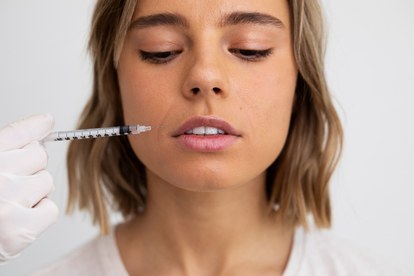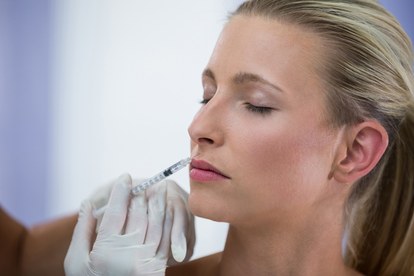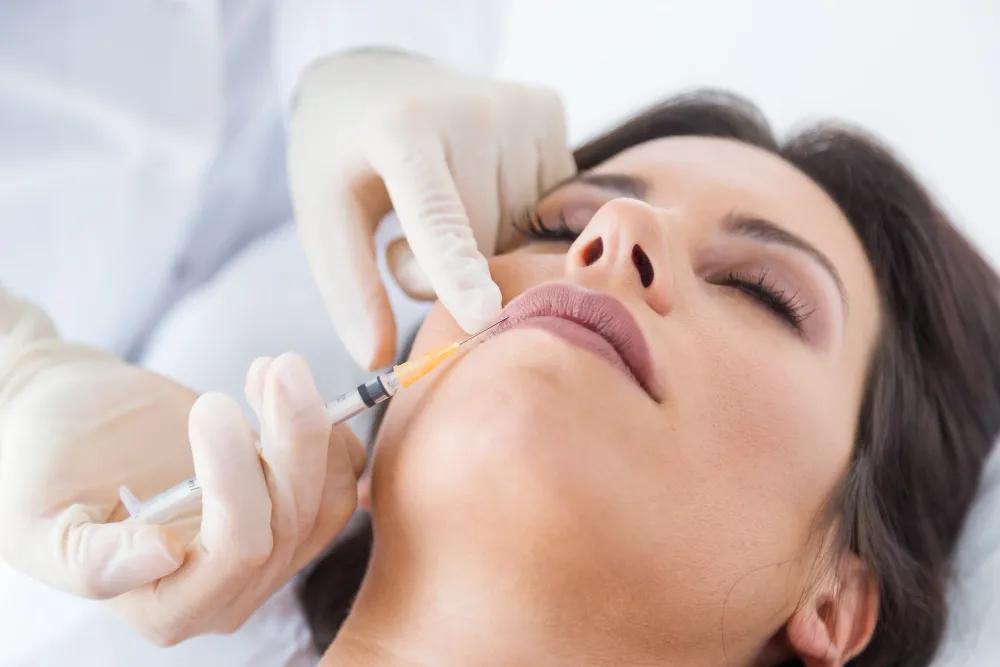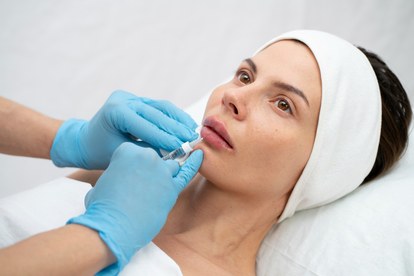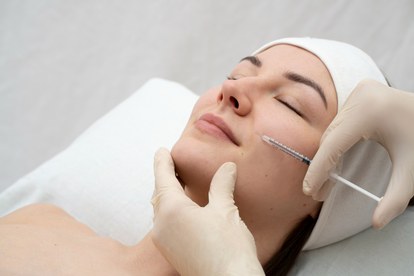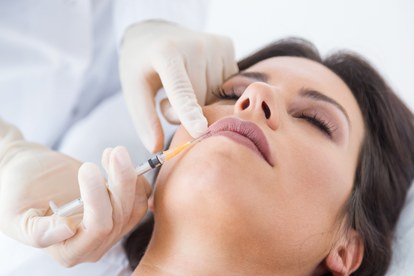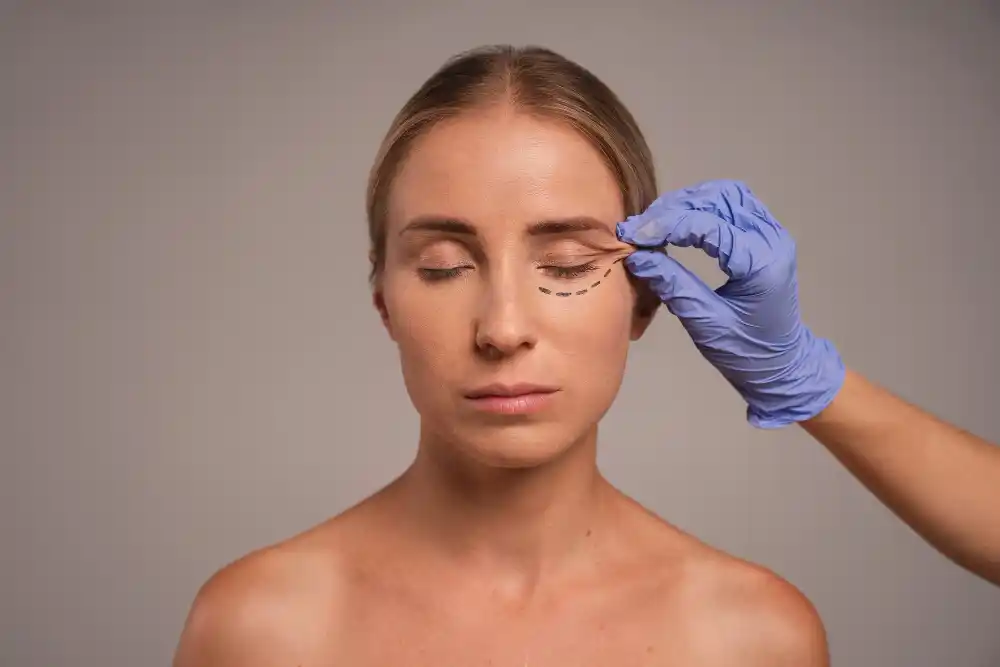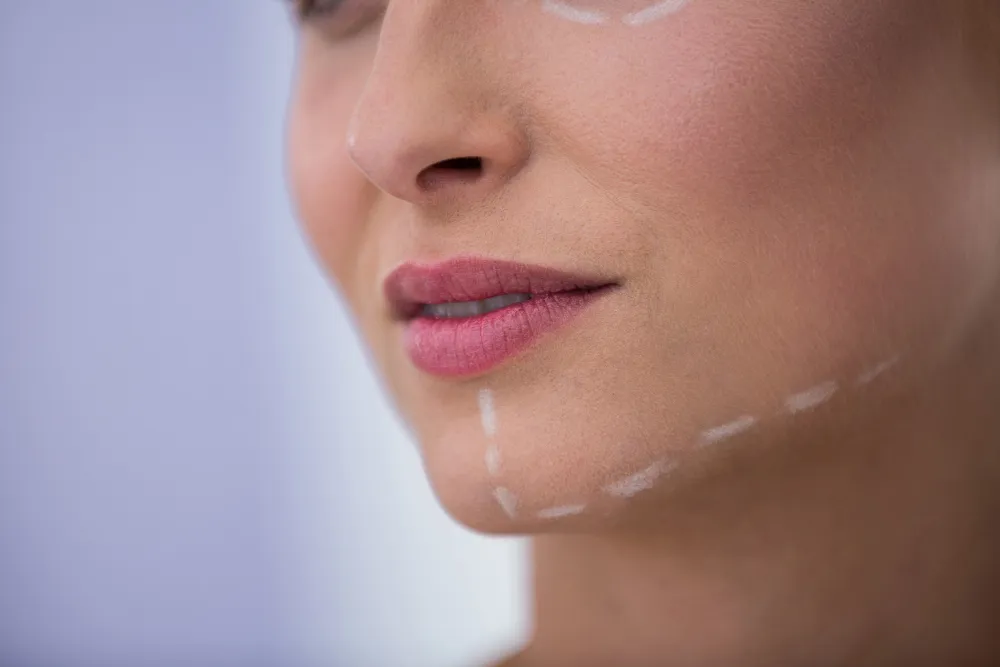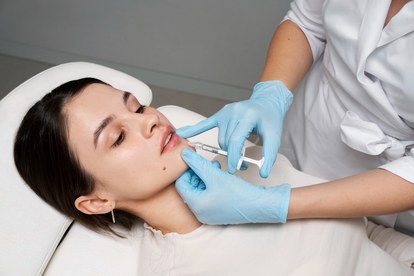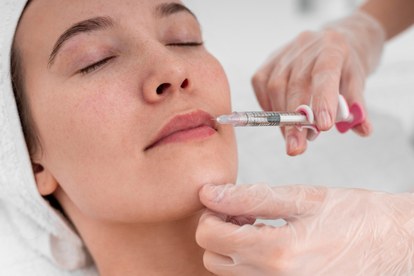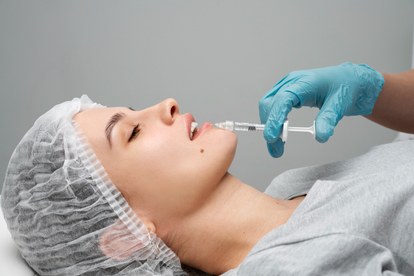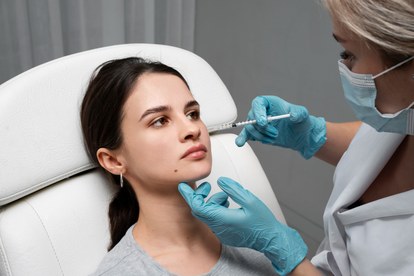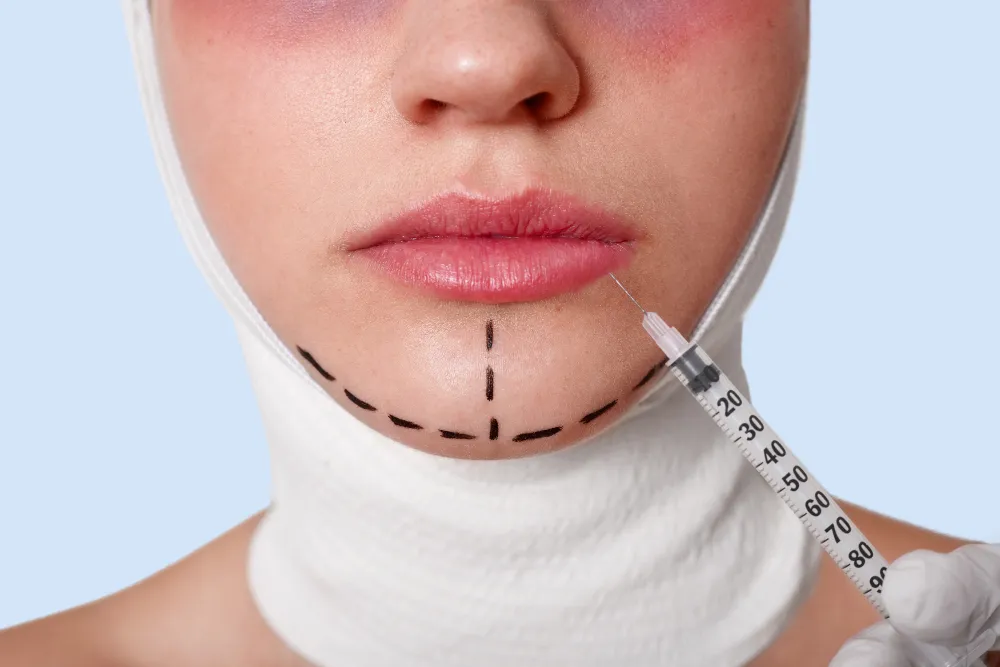




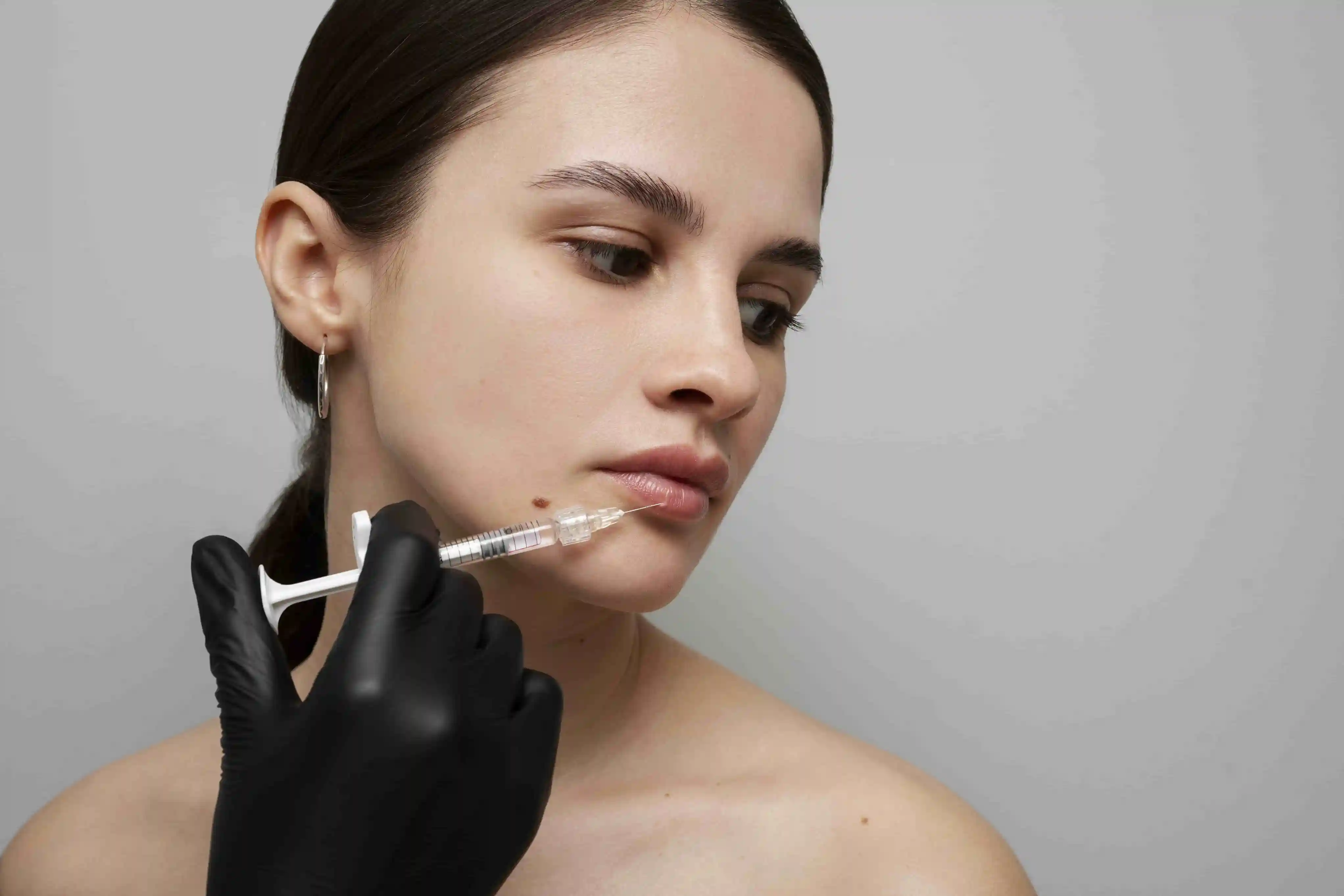
Preparing for dermal filler treatment is not merely a matter of patient comfort; it is a critical clinical step to ensure safety and predictable aesthetic outcomes. While flagship products like Juvéderm and Restylane are FDA-approved, the biological response of soft tissue and vascular structures remains highly individual. A comprehensive preparation strategy is designed to modulate the inflammatory response, minimize ecchymosis (bruising), and reduce the risk of post-procedure complications.
The Hematology of Bruising: Medications and Supplements
One of the primary goals of pre-treatment preparation is the management of substances that alter platelet function or induce vasodilation. Clinical literature in hematology consistently highlights that certain common supplements can significantly increase the risk of bruising.
Substances that may increase the risk of bruising include:
- Non-steroidal anti-inflammatory drugs (NSAIDs) such as aspirin and ibuprofen.
- Fish oil and Omega-3 supplements.
- Vitamin E.
- Herbal supplements including Ginkgo biloba, garlic capsules, and ginseng.
- Specific prescription anticoagulants, which must always be managed through professional clinical judgment.
It is vital that patients do not discontinue medically necessary prescriptions without explicit physician approval. Practitioners instead focus on a case-by-case risk assessment during the initial consultation.
Lifestyle Modulators: Alcohol and Caffeine
Lifestyle choices in the 24–48 hours preceding an appointment can directly influence vascular behavior.
- Alcohol: Ethanol consumption can trigger vasodilation and fluid retention, potentially exacerbating edema (swelling) both during and after the injection. Avoiding alcohol for 24 hours is a standard professional recommendation.
- Caffeine: While not strictly prohibited, caffeine acts as a mild diuretic. Maintaining systemic hydration is preferred to support the comfort and integration of the filler within the tissue.
Dermal Integrity and Viral Prophylaxis
The condition of the skin at the injection site is a primary safety determinant. Any active inflammation or irritation can increase procedural risks.
- Skin Irritation: Patients should pause aggressive skincare regimens, including retinoids, chemical peels, and physical exfoliants, at least 48 hours before treatment.
- Herpes Simplex (Cold Sores): Perioral fillers can trigger a reactivation of the herpes virus. Patients with a history of cold sores should discuss prophylactic antiviral medication with their provider in advance.
The Role of Hydration and Nutrition
Because hyaluronic acid fillers are inherently hygroscopic (water-binding), the body's hydration status affects how the gel integrates. Proper hydration ensures the skin remains supple, which can improve the overall experience during the injection process. Furthermore, a light meal before the appointment is recommended to stabilize blood sugar and prevent vasovagal responses (dizziness), particularly for those new to injectables.
Managing Circulation: Exercise and Heat
Controlling blood flow is essential to preventing immediate post-injection swelling.
- High-intensity exercise increases systemic circulation and should be avoided on the day of the procedure.
- Exposure to extreme heat, such as saunas, steam rooms, or hot yoga, induces vasodilation and should be restricted for at least 24 hours.
Clinical Assessment and Expectations
Every successful aesthetic journey begins with a thorough consultation. This phase includes a review of medical history and a mapping of the appropriate injection planes for the chosen filler.
| Feature | Patient Expectation |
|---|---|
| Anesthesia | Most modern fillers (Juvéderm/Restylane) contain lidocaine for comfort. |
| Early Healing | Mild swelling, tenderness, or firmness is a normal part of the healing process. |
| Event Planning | Schedule injections 1–2 weeks before major social events to allow for resolution. |
Thoughtful preparation, from tracking supplements to managing hydration, allows both the patient and the professional to achieve the most natural-looking and satisfying results. Whether you are utilizing Juvéderm, Restylane, or other HA-based gels, clinical preparation remains the most critical step in the aesthetic process.
FAQ: Preparing for Dermal Fillers
How long before my appointment should I start preparing?
General preparation, including a review of medications and hydration planning, should begin several days before your treatment.
Is it mandatory to stop all blood thinners?
No. You must never stop medically necessary prescriptions without a physician's approval; your injector will adjust their technique based on your profile.
Can I have caffeine on the day of treatment?
Caffeine is generally acceptable, though it is vital to balance it with plenty of water to avoid mild dehydration.
Why is my history of cold sores relevant?
Injection trauma can trigger a viral flare-up; informing your provider allows for preventive antiviral therapy.
Does preparation guarantee no bruising?
While preparation significantly reduces risk and improves predictability, minor bruising and swelling are still considered normal parts of the tissue's healing response.
Professional Disclaimer: This content is for educational purposes only and is intended for licensed medical professionals and informed readers. It does not replace professional training or a personal medical consultation. All procedures must be performed by qualified healthcare providers following approved medical standards.