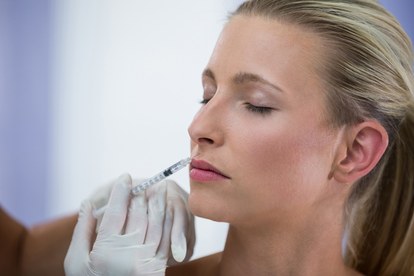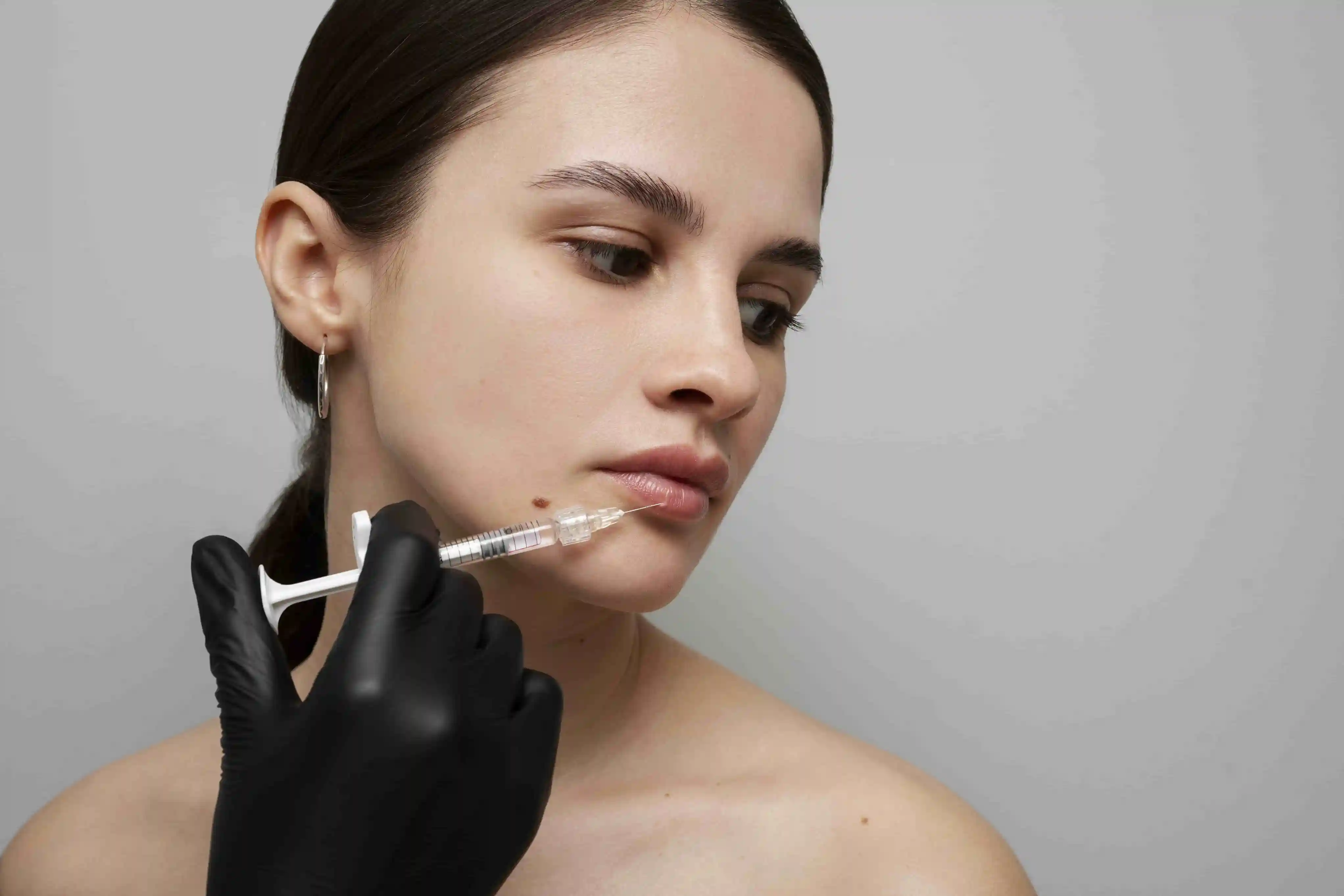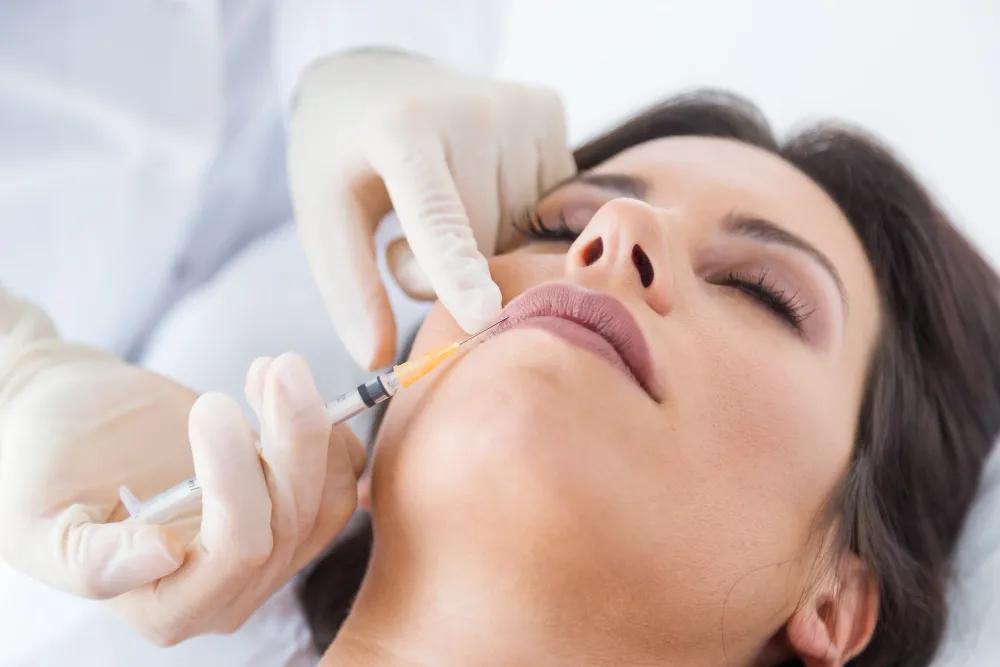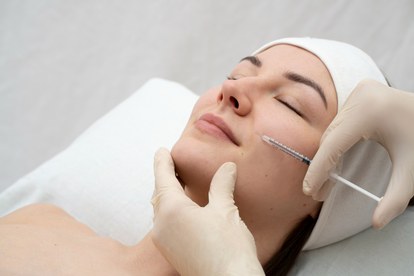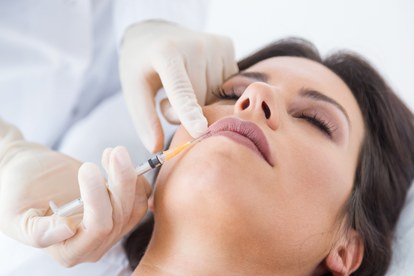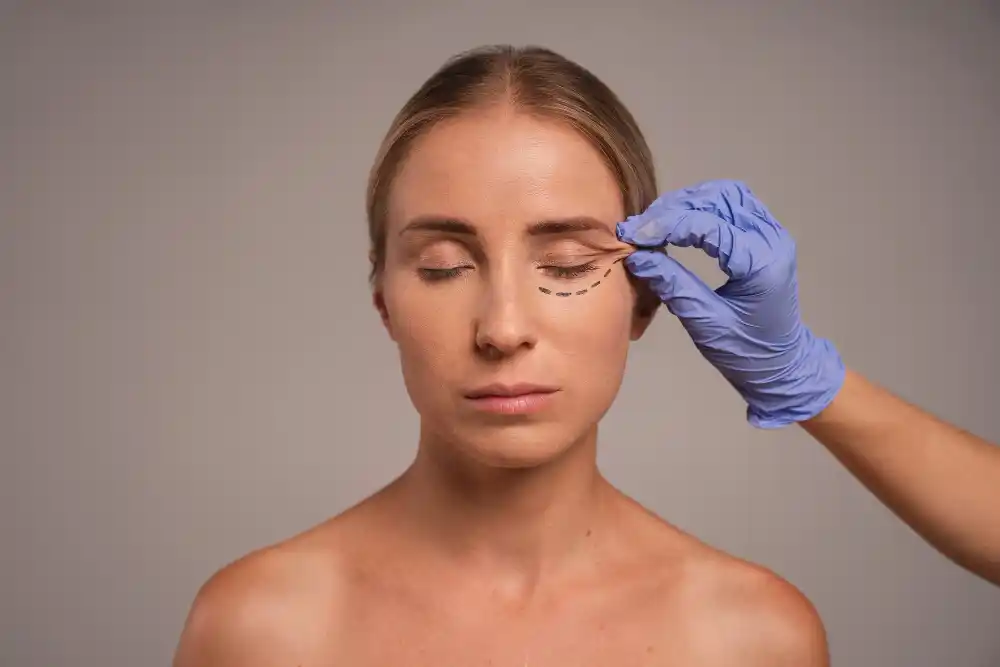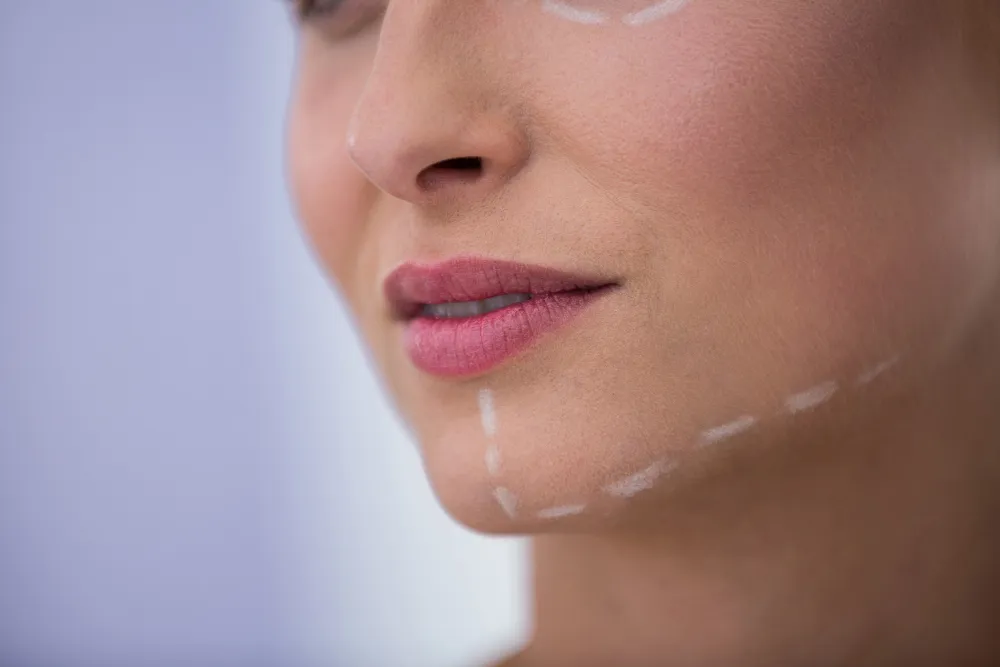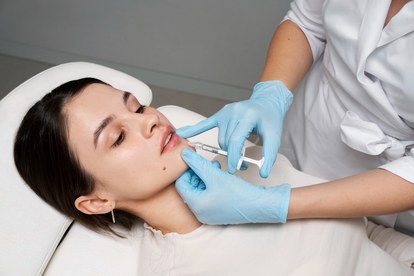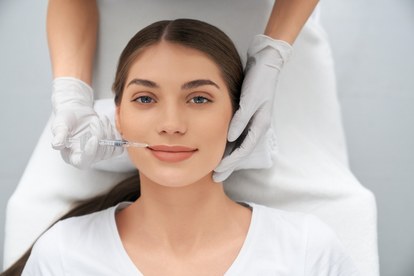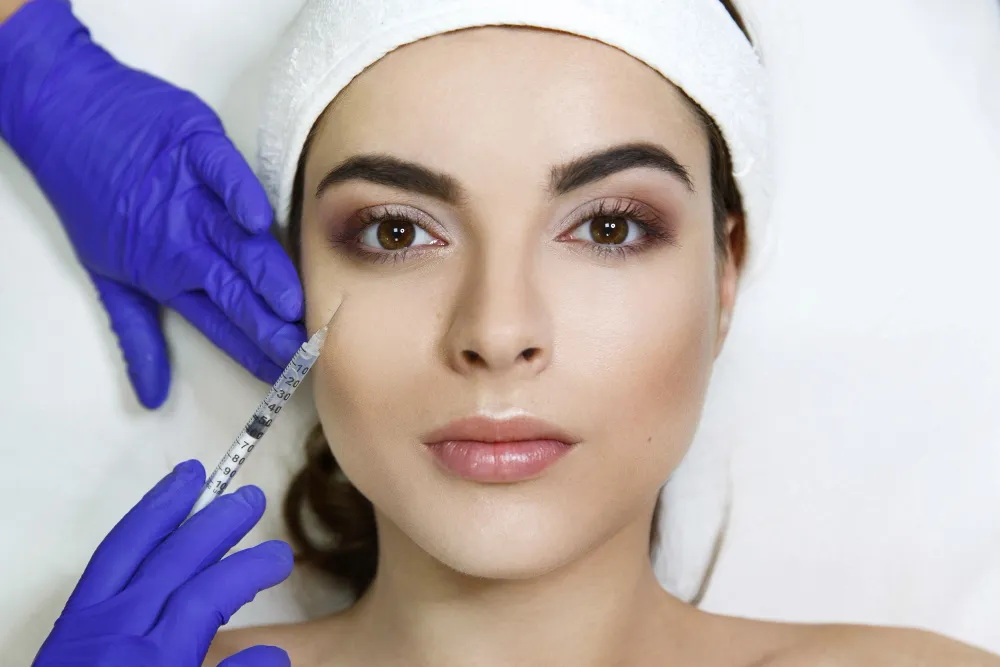




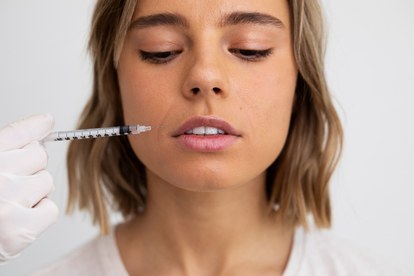
In 2025, the aesthetic trend has shifted decisively toward "micro-optimization." Patients are moving away from dramatic volume in favor of subtle refinement. This has made 0.5 ml of lip filler one of the most requested—yet debated—treatment volumes. But is a half-syringe truly enough to make a difference?
This clinical guide explores the nuances of lip filler dosing, the economics of treatment, and the anatomical reasons why the same amount of product produces wildly different results on different faces. We provide an objective look at the process to help you set realistic expectations for your next visit.
The Economics of 0.5 ml Lip Filler: What Are You Paying For?
While prices fluctuate based on geographic location and clinic prestige, the average cost for a 0.5 ml treatment in the U.S. typically falls between $300 and $450.
It is important to understand that you aren't just paying for the physical product. The price reflects:
- Brand Premium: High-tier fillers like Juvederm or Restylane have higher overhead due to advanced cross-linking technology.
- Clinical Expertise: The skill required to place 0.5 ml accurately is often higher than a 1 ml "full-plump" session, as it requires extreme precision.
- Safety Protocols: Access to emergency reversal agents (hyaluronidase) and anatomical knowledge.
How Much Does a Full 1 ml Syringe Cost?
A full 1 ml syringe generally ranges from $550 to $900. Many patients find that the "price per ml" is lower when purchasing a full syringe, but from a clinical standpoint, over-injecting just to get a better deal is the primary cause of filler migration and the "duck-lip" look.
Is 0.5 ml Worth It? Defining "The Half-Syringe Result"
For a significant portion of the population, 0.5 ml is the "sweet spot" for a natural, undetectable enhancement. It is particularly effective for:
- Hydration (The "Gloss" Effect): Giving the lips a smoother, more hydrated texture without changing their size.
- Symmetry Correction: Balancing a slightly thinner upper lip or correcting a crooked vermilion border.
- Cupid’s Bow Definition: Sharpening the philtrum columns and the "M" shape of the upper lip.
- First-Time Patients: A "test drive" for those nervous about dramatic changes.
The Anatomy of Choice: Why 0.5 ml Isn't a "One Size Fits All"
Injectors do not choose doses based on a menu; they choose based on the anatomical capacity of the lip tissue. Several factors dictate whether 0.5 ml will be sufficient:
1. Tissue Tension and "Pocket" Size
Some lips have a naturally tight mucosal envelope. If 1 ml is forced into a "tight" lip, the filler has nowhere to go but up, leading to migration. In these cases, 0.5 ml is the only safe option.
2. Vermilion Height
If the distance between the nose and the lip (philtrum) is long, or the pink part of the lip is very narrow, 0.5 ml may barely be visible. Conversely, on a lip with a lot of "show," 0.5 ml can look significant.
3. Muscle Dominance
A strong orbicularis oris muscle (the muscle that purses the lips) can compress filler. Patients with high muscle activity may find that 0.5 ml "disappears" once the swelling goes down.
0.5 ml vs. 1 ml: Comparison Table
| Feature | 0.5 ml (Half Syringe) | 1.0 ml (Full Syringe) |
|---|---|---|
| Primary Goal | Hydration & Definition | Volume & Structural Change |
| Visibility | Subtle; "is she/isn't she" | Noticeable enhancement |
| Best For | Beginners / Small Lips | Correcting volume loss |
| Longevity | May feel shorter due to low volume | Standard 6–12 months |
What Truly Drives Treatment Costs?
Many patients assume the price is based on the cost of the HA gel. In reality, you are paying for the pre-treatment assessment and complication management. Designing natural-looking lips is an art form that requires an understanding of the Golden Ratio and facial harmony.
Cheap filler often comes at the cost of safety. A professional injector maintains a "safety kit" containing high concentrations of hyaluronidase, which is essential if a vascular emergency occurs. This readiness is built into the price of your 0.5 ml syringe.
How Long Does 0.5 ml Last?
On average, HA lip fillers last 6 to 12 months. However, because 0.5 ml is a smaller "depot" of product, some patients perceive it to last less time. Factors like high metabolic rates, frequent exercise, and even high levels of dental movement can speed up the breakdown of the filler.
Frequently Asked Questions
Can I get 0.5 ml now and the rest later?
Yes. Many practitioners recommend the "wait and see" approach—injecting 0.5 ml and having the patient return in 2 weeks once the swelling has subsided to decide if more is needed.
Will 0.5 ml cause "filler mustache"?
Actually, using 0.5 ml reduces the risk of migration (the "mustache" look) because there is less internal pressure pushing the filler out of the lip border.
Is 0.5 ml enough for thin lips?
For very thin lips, 0.5 ml is often the best place to start to avoid a "sausage" look and allow the skin to stretch naturally over time.
At Unboxed Fillers, we believe that informed decisions lead to the best aesthetic outcomes. Whether you choose 0.5 ml for a whisper of volume or 1 ml for a bolder statement, the key is professional technique and a personalized plan.
Professional Disclaimer
This content is for educational purposes only. It does not constitute medical advice or treatment instructions. All injectable procedures must be performed by licensed professionals in a clinical setting. Results vary based on individual biology and technique.