



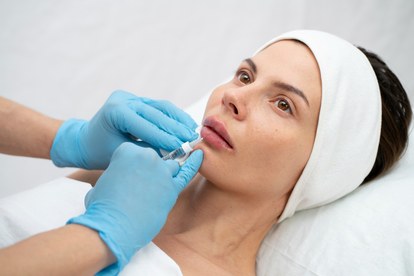
Skin boosters represent a paradigm shift in aesthetic medicine, moving the focus from structural modification to biorevitalisation. Unlike traditional dermal fillers that prioritize volume and contouring, skin boosters are engineered to improve the physiological quality of the skin—enhancing hydration, elasticity, and dermal density.
In a landscape where patients increasingly seek "tweakments" that offer a refreshed look without the risk of an overfilled appearance, understanding the rheology and clinical application of skin boosters is essential for every practitioner.
The Science of Bio-remodeling
While most skin boosters are based on stabilized Hyaluronic Acid (HA), they function differently than volumizing agents. In the dermis, the HA acts as a potent humectant, binding water molecules to restore the extracellular matrix.
This process triggers bio-remodeling: the stretching of fibroblasts that stimulates the endogenous production of Type I collagen and elastin. Because HA molecules in topical creams are often too large to penetrate the epidermal barrier, injection is the only way to deliver these bioactive substances directly to the dermis where they can effect cellular change.
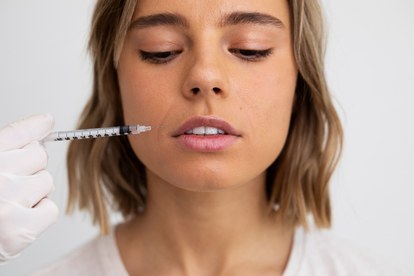
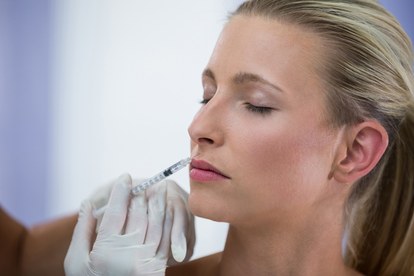
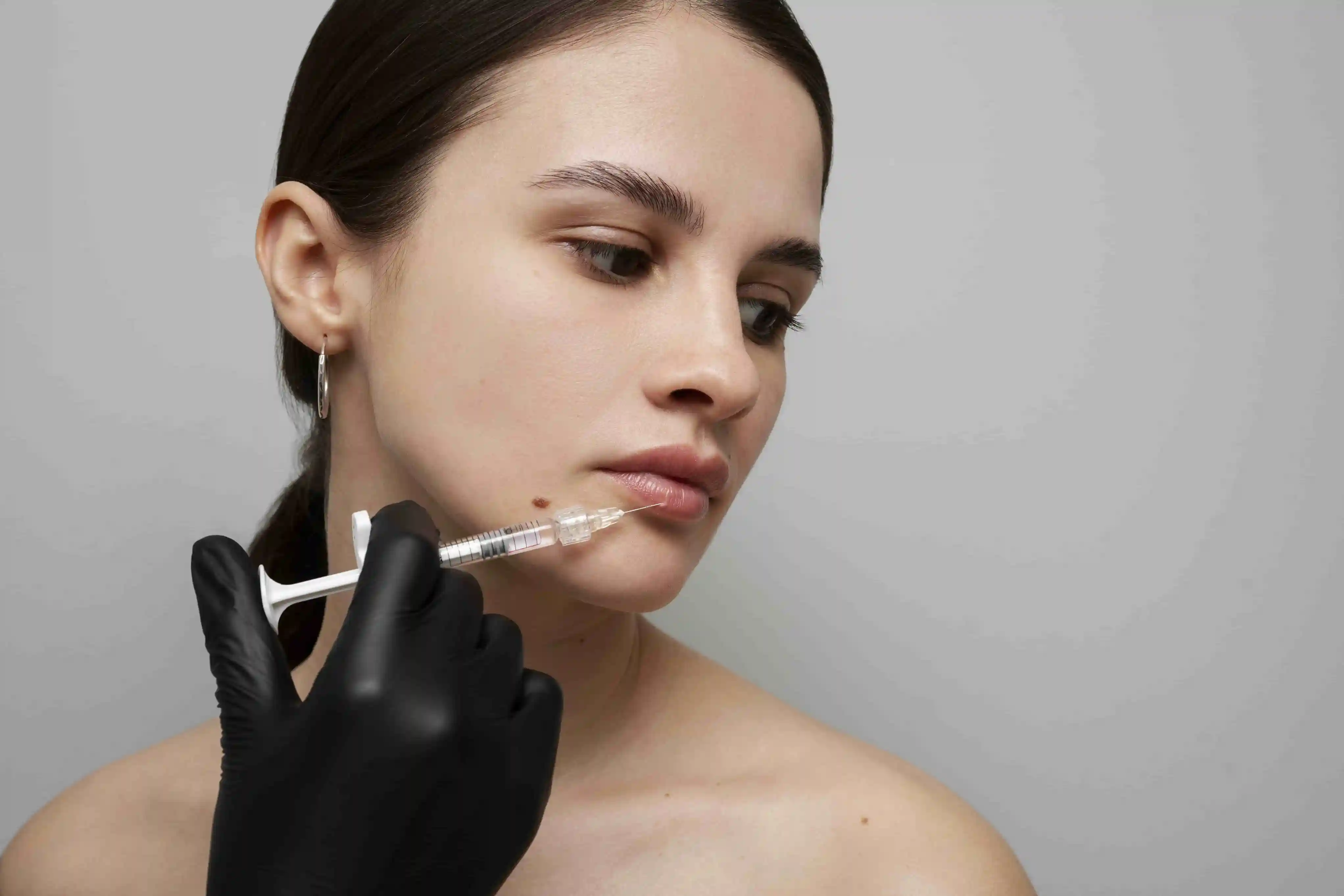
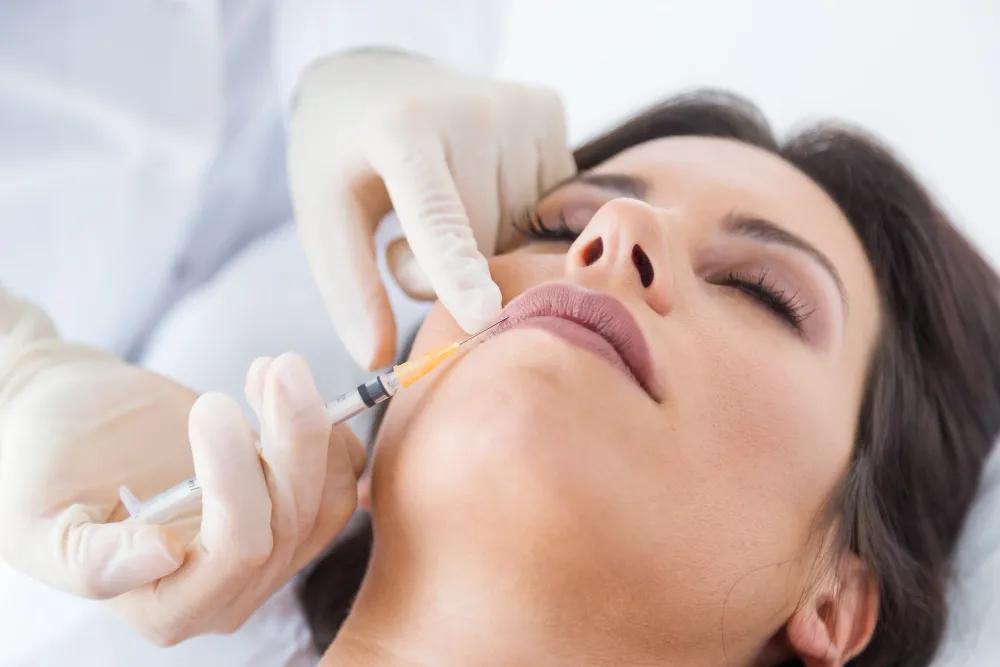
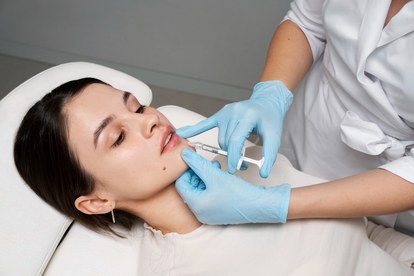
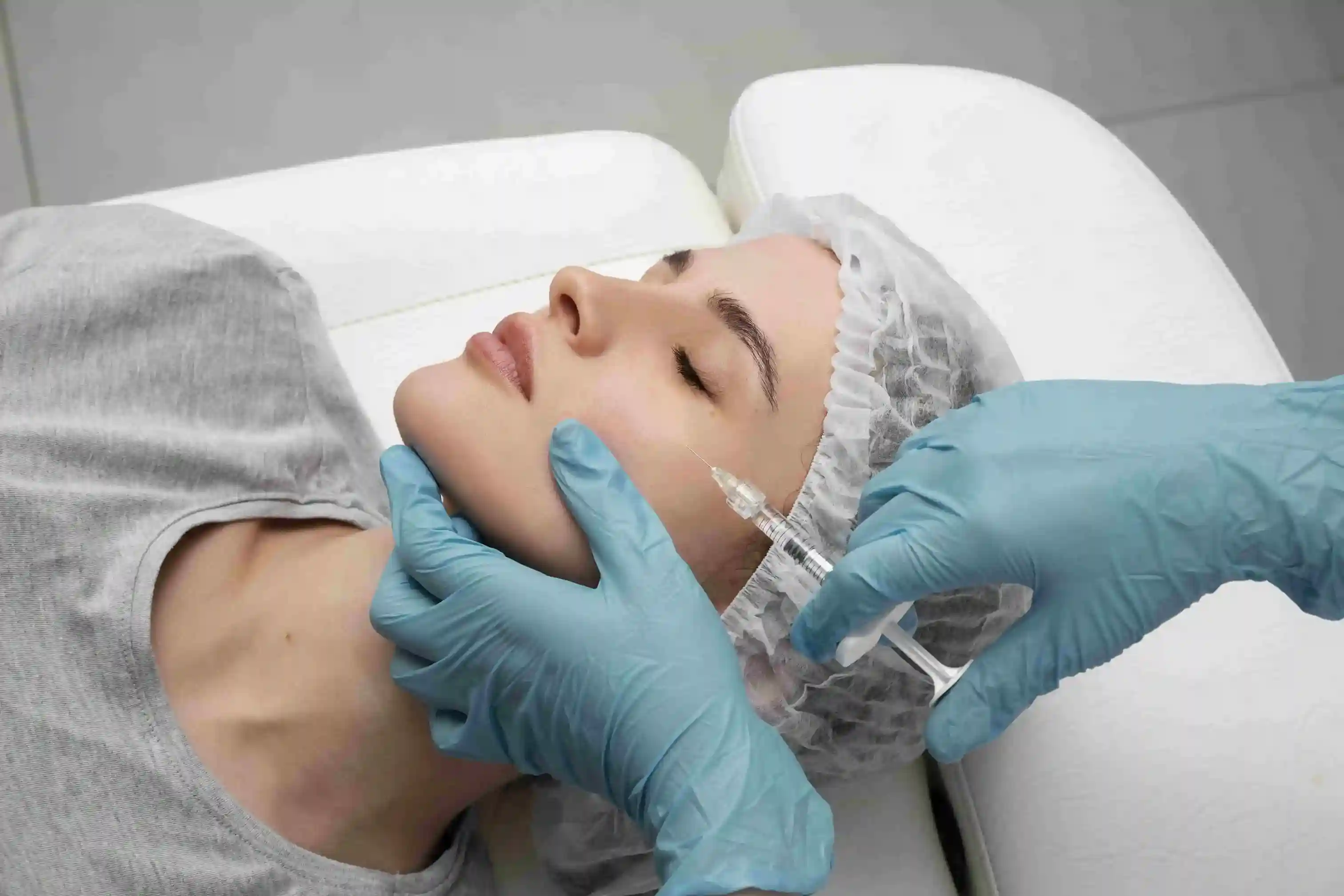
Skin Booster Injection Technique Explained
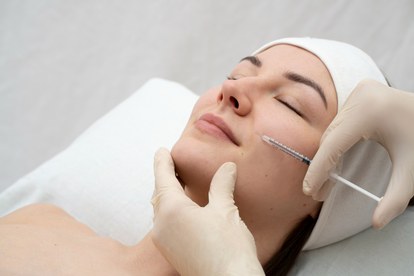
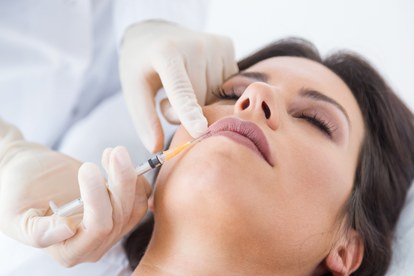
Skin booster administration requires precision and a uniform distribution strategy. Unlike fillers placed in deep fat compartments or on the periosteum, these products are delivered into the superficial to mid-dermis.
Common clinical approaches include:
- Micro-papule Technique: Multiple small depots (0.05–0.1 ml) placed evenly across the treatment zone.
- Serial Puncture: A systematic line of injections to ensure total coverage.
- Retrograde Threading: Used in areas of specific crepiness to support dermal strength.
Patients should be advised that micro-papules (visible small bumps) are expected and serve as product reservoirs that typically dissipate within 24–48 hours as the gel integrates into the tissue.
Skin Boosters vs. Dermal Fillers: A Comparative Overview
The fundamental distinction lies in Hydration vs. Volume. While both utilize HA, their cross-linking and G-Prime (hardness) vary significantly to suit their respective goals.
| Feature | Skin Boosters | Dermal Fillers |
|---|---|---|
| Primary Objective | Dermal health & "glow" | Restructuring & lifting |
| Anatomical Plane | Superficial dermis | Deep dermis to supraperiosteal |
| Metabolic Cycle | 6–9 months (protocol-based) | 6–18 months (single session) |
Ideal Candidate Assessment
Skin boosters are highly versatile but require appropriate patient selection to ensure satisfaction.
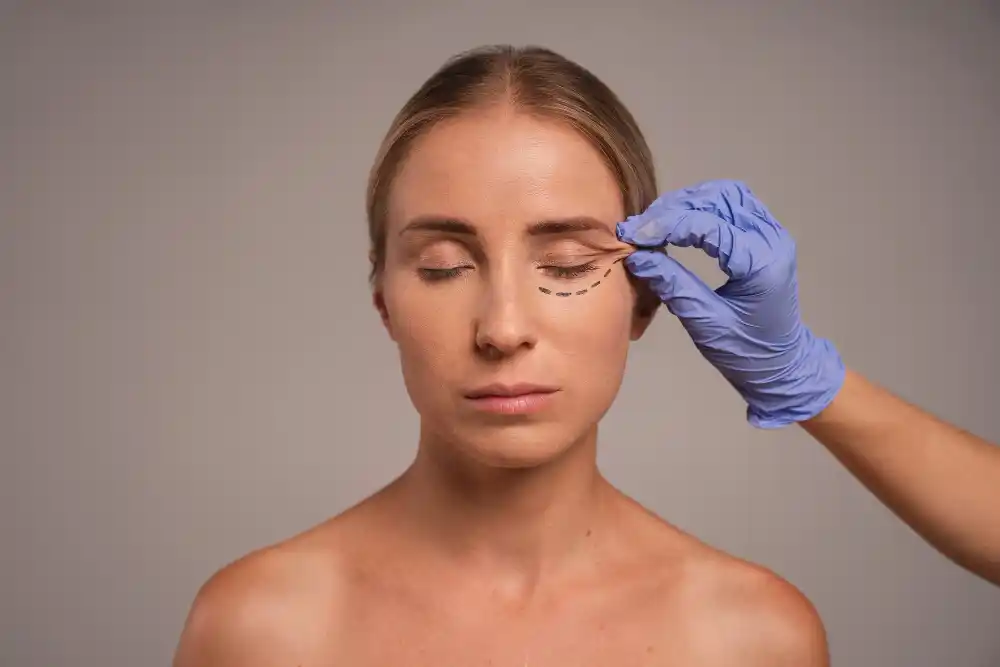
- Targeted Concerns: Ideal for perioral "smoker's lines," crepy skin under the eyes, and dullness in the neck or décolletage.
- Limitations: They are not designed to treat deep nasolabial folds or ptosis (sagging), which require the structural lift of high-cohesivity fillers.
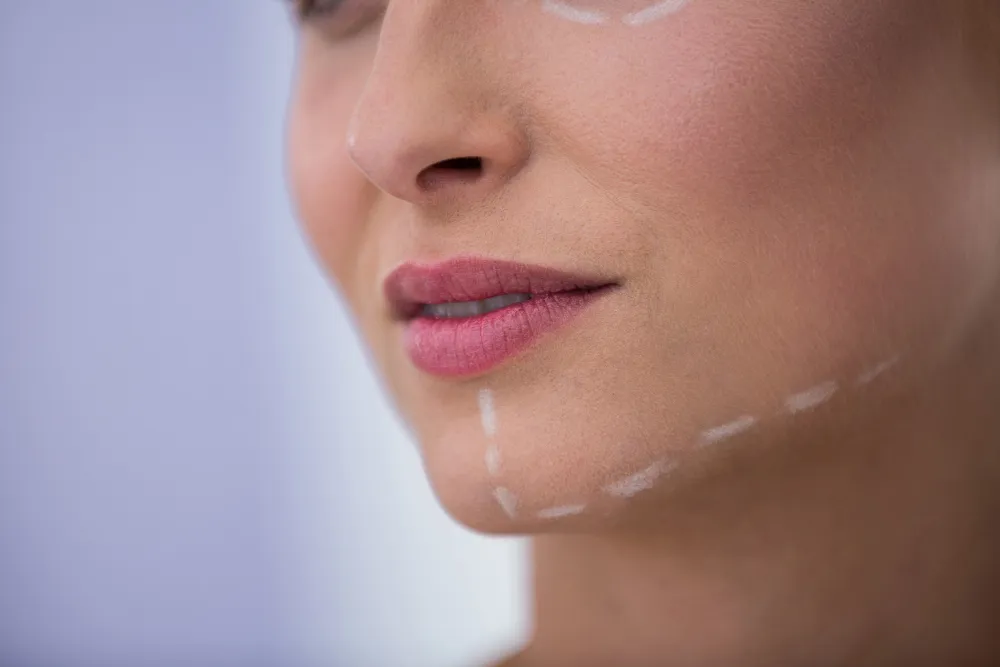
Expert Tip: A "layered" approach often yields the best results. Use a structural filler for jawline definition and a skin booster for overall malar radiance to achieve a truly holistic rejuvenation.
Results and Treatment Timeline
Expectations must be managed: results are gradual. Because skin boosters rely on cellular turnover and bio-remodeling, the full "glow" effect typically manifests approximately 4 weeks after the second or third session. Standard protocols usually suggest an initial series of 2–3 treatments spaced several weeks apart.
For further insights into advanced skin rejuvenation, explore the full resource library at Unboxed Fillers.
FAQ: Skin Booster Treatments
What are skin boosters used for?
They are primarily used to enhance skin hydration, texture, and elasticity, creating a smoother and more vibrant appearance.
Are they the same as fillers?
No. Fillers change shape and volume; skin boosters improve skin quality from within.
How many sessions do I need?
Most clinical protocols require 2–3 sessions for cumulative results.
Is there downtime?
Minimal. You may have small bumps (papules) for 24–48 hours as the product absorbs.
Can they be used on hands?
Yes, they are exceptionally effective for treating thin, dehydrated skin on the hands and neck.
Professional Disclaimer
This content is provided for educational and informational purposes only. It is intended for licensed medical professionals and informed readers. It does not provide treatment protocols, dosing guidance, or clinical instructions and should not replace professional training or clinical judgment. All injectable treatments must be performed by qualified healthcare providers in accordance with medical standards.