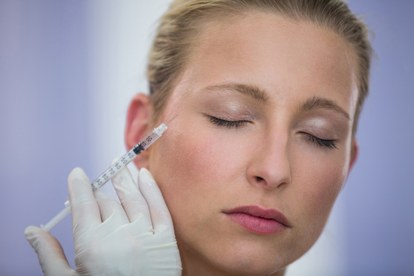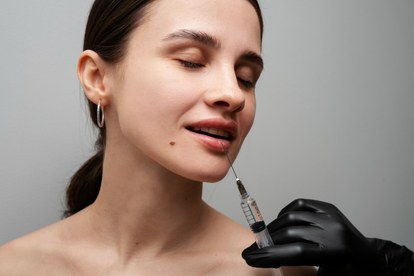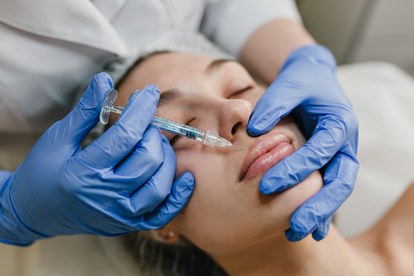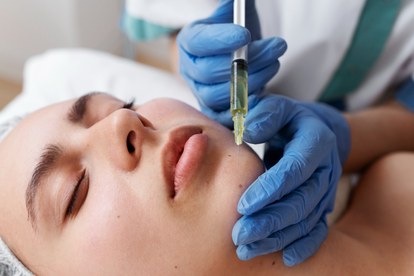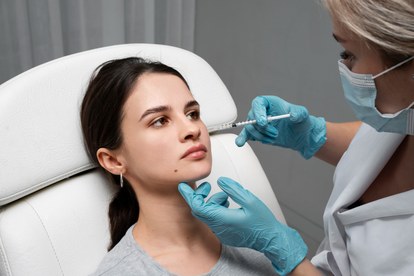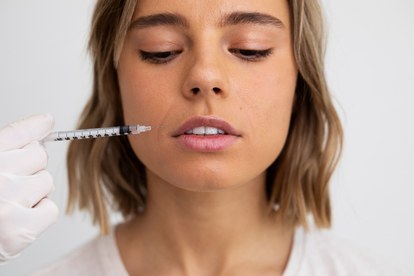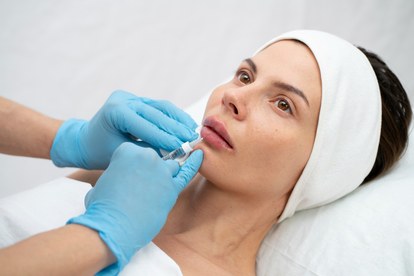




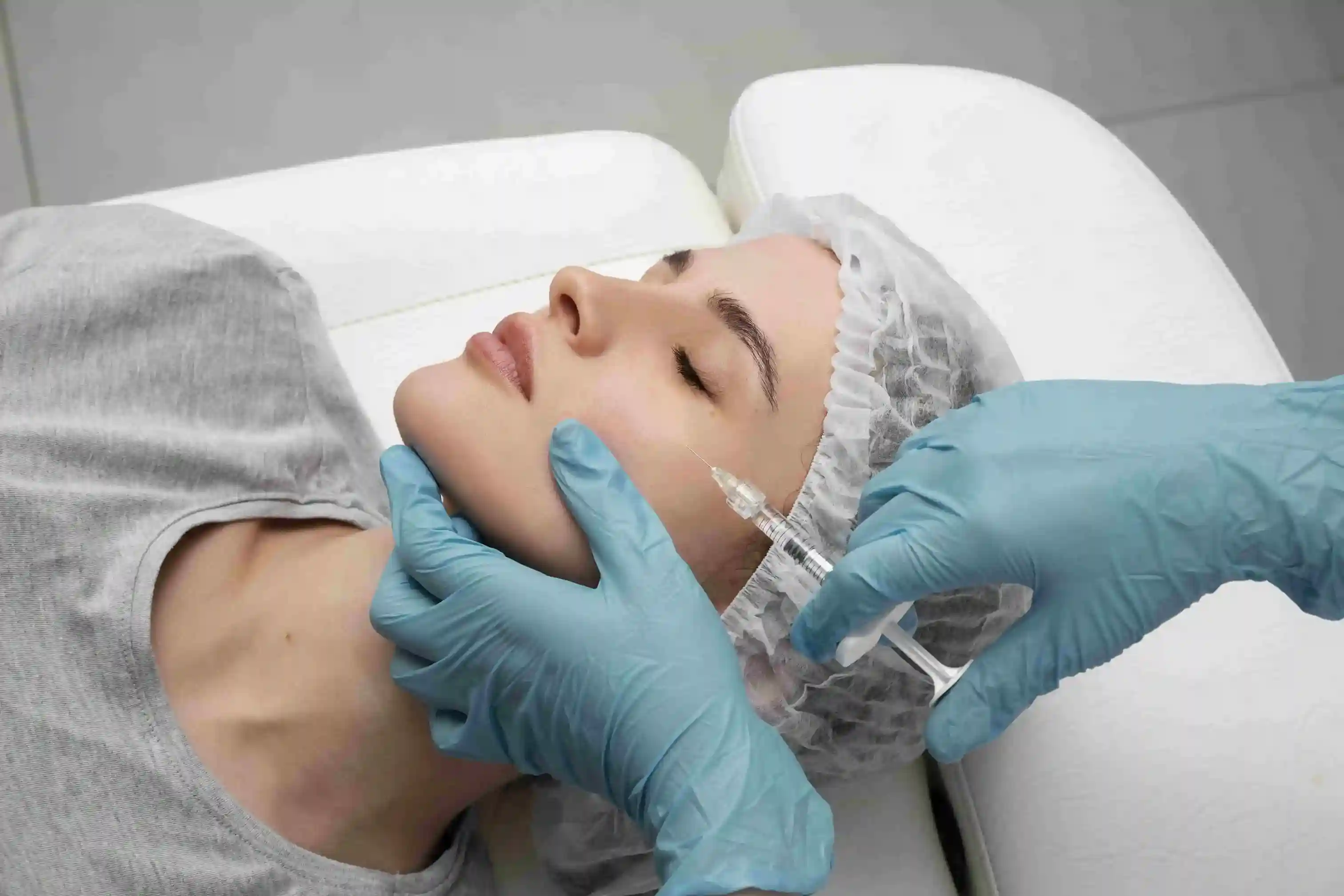
When comparing dermal fillers, safety is just as important as results. Juvederm Voluma with Lido and Restylane Kysse with Lido are two of the most popular HA fillers worldwide, but they behave differently in the skin and carry different risk profiles. This guide breaks down their safety, swelling, side effects, and what patients should realistically expect before and after treatment.
What Makes Juvederm Voluma and Restylane Kysse Different?
Both fillers use hyaluronic acid and both are FDA-approved, but they were designed for completely different purposes.
- Juvederm Voluma is a firm, structural filler intended for deep cheek lifting and midface contouring.
- Restylane Kysse is a flexible, dynamic filler created specifically for soft, natural-looking lip enhancement.
These design differences directly influence safety profiles, swelling patterns, and complication management.
Safety Profile of Juvederm Voluma
How Voluma behaves in tissue
Voluma is injected deep, often close to bone, because of its dense structure. This placement provides strong lift but requires anatomical precision. When done correctly, Voluma produces stable, long-lasting results with minimal irregularities.
Expected short-term reactions
Most patients experience mild to moderate cheek swelling, slight tenderness, and temporary firmness. These usually improve within a few days.
Potential risks
Because Voluma sits deeply, complications are uncommon but may require more specialized management if they occur. Potential risks include:
- prolonged firmness or lumpiness (usually resolves)
- asymmetry due to swelling or placement
- deep bruising
- rare vascular complications (requires immediate attention)
Longevity-related considerations
Voluma can last 18–24 months. Longer-lasting fillers may require more precise technique since they stay in place for years, not months.
Safety Profile of Restylane Kysse
How Kysse behaves in tissue
Restylane Kysse is formulated with XpresHAn Technology, making it stretchy and flexible. This allows the filler to move naturally with lip motion, minimizing stiffness and overfilled appearance.
Expected short-term reactions
Lips are a highly sensitive area, so swelling is normal and often more dramatic within the first 24–48 hours. Bruising is also common due to the vascularity of the lips.
Potential risks
Kysse is generally very safe, but potential issues include:
- temporary asymmetry
- mild lumpiness (typically resolves as filler settles)
- reactivation of cold sores in predisposed individuals
- more noticeable swelling compared to cheek fillers
Migration risk
When injected appropriately, Kysse is associated with a lower risk of migration compared to firmer, high–water-binding lip fillers.
Which One Swells More: Voluma or Kysse?
Voluma swelling
Swelling is typically mild and localized because Voluma is injected deep and does not attract as much water as softer gels.
Kysse swelling
Lip swelling is always more noticeable — the tissue is soft, mobile, and highly vascular. Patients should expect a 24–72 hour “puffy phase” before the filler settles.
In practice, lip fillers swell more visibly than cheek fillers regardless of brand.
How Long Do Side Effects Last?
Juvederm Voluma
Mild side effects usually resolve within 3–5 days. Firmness can last up to 2 weeks as the filler integrates.
Restylane Kysse
Lip swelling often peaks within the first 48 hours and gradually settles within a week. Mild lumps or unevenness typically resolve within 10–14 days.
Serious Risks: What to Watch For
Serious complications are very rare, but both fillers can cause issues if injected incorrectly. Warning signs include:
- severe pain not related to injection
- skin blanching or discoloration
- rapidly spreading swelling
- vision changes
- intense heat or redness
These can indicate vascular involvement and require immediate medical care. Always seek experienced, licensed injectors. Serious complications are rare, but recognizing early warning signs is critical for safety.
Who Should Avoid These Fillers?
- pregnant or breastfeeding individuals
- those with active cold sores (for Kysse)
- those with active skin infections
- those with known HA filler allergies (rare)
- patients with autoimmune flare-ups (case-by-case)
A full consultation is essential before treatment. Many contraindications are temporary and can be reassessed after resolution.
Which Filler Is Safer Overall?
Juvederm Voluma
Safer for structural areas like the cheeks, but requires a skilled injector due to depth and anatomical landmarks.
Restylane Kysse
Safer for lips and expressive areas because of its flexibility and lower water-binding behavior.
The safest outcomes come from matching filler properties to anatomy rather than choosing the “softest” or “strongest” product.
So, Voluma or Kysse For Safety?
The safest choice depends entirely on the area being treated and the desired outcome:
- For lips: Restylane Kysse is safer and more natural.
- For cheeks: Juvederm Voluma is safer and more predictable.
- For longevity: Voluma lasts longer but requires technical precision.
- For swelling concerns: Kysse causes more swelling initially, but settles beautifully.
Both fillers are Mayo Clinic–supported, FDA-approved, and safe when injected by experienced professionals.
Choosing between Voluma and Kysse isn’t about which brand is “better,” but which filler fits the area, anatomy, and expectations. When injected by trained professionals, both Voluma and Kysse have excellent safety records within their intended indications.
FAQ: Juvederm Voluma vs Restylane Kysse
Which filler is safer: Juvederm Voluma or Restylane Kysse?
Neither filler is universally safer. Safety depends primarily on the treatment area, injection depth, and injector expertise. Juvederm Voluma is considered safer for deep structural areas such as the cheeks, while Restylane Kysse is safer for lips and highly mobile areas.
Which filler causes more swelling: Voluma or Kysse?
Restylane Kysse typically causes more noticeable swelling because the lips are highly vascular and mobile. Juvederm Voluma usually causes milder, localized swelling due to its deep placement in the cheeks.
How long does swelling last after Voluma or Kysse?
After Juvederm Voluma, swelling usually resolves within 3 to 5 days, with firmness settling over 1 to 2 weeks. With Restylane Kysse, lip swelling often peaks within 48 hours and typically resolves within 7 to 10 days.
Is lip filler riskier than cheek filler?
Lip fillers generally have more visible swelling and bruising because of the vascular nature of the lips, but they are not inherently more dangerous when performed correctly. Cheek fillers involve deeper anatomical structures and require precise technique.
Can Voluma or Kysse cause migration?
Migration is uncommon when fillers are injected correctly. Restylane Kysse has a lower tendency to migrate due to its flexibility, while Juvederm Voluma remains stable when placed deeply in appropriate anatomical planes.
What warning signs require immediate medical attention?
Severe pain, skin blanching, discoloration, rapidly increasing swelling, vision changes, or intense heat and redness may indicate vascular involvement and require immediate medical evaluation.
Who should avoid these fillers?
Both fillers should be avoided during pregnancy or breastfeeding, in the presence of active skin infections, active cold sores (for lip treatments), or known hypersensitivity to hyaluronic acid–based fillers.
Professional Disclaimer
This content is provided for educational and informational purposes only and does not constitute medical advice, diagnosis, or treatment recommendations. Juvederm Voluma and Restylane Kysse are prescription medical devices that must be administered exclusively by licensed and appropriately trained healthcare professionals.
All injectable procedures require individualized assessment, correct product selection, and adherence to approved indications, anatomical safety guidelines, and manufacturer recommendations. Outcomes and side effects may vary based on patient anatomy, technique, and treatment area.
Patients should always consult a qualified medical professional for personalized evaluation and treatment planning. Please review our full disclaimer for additional information.