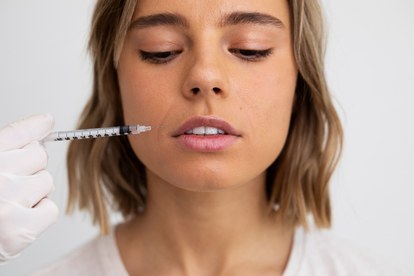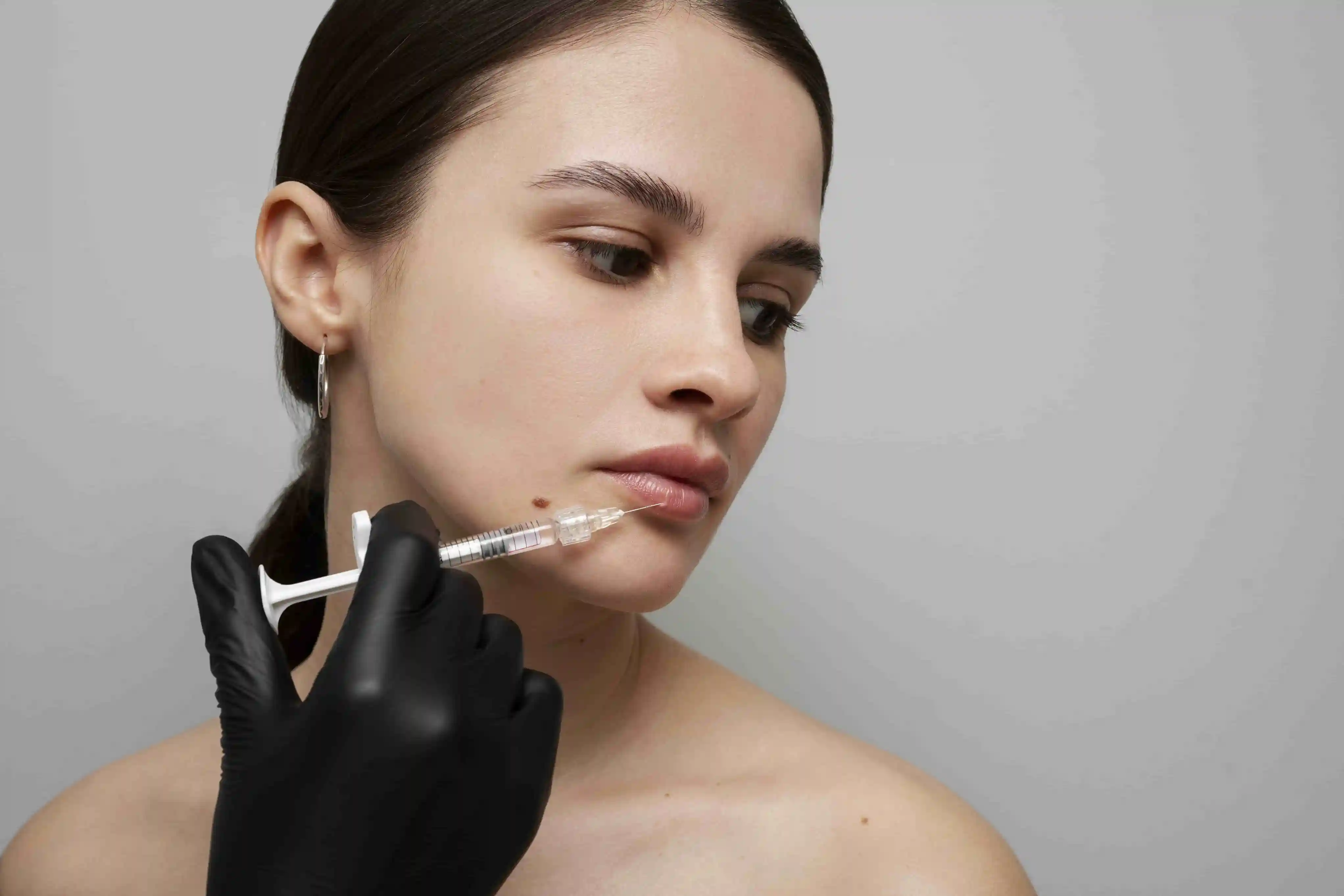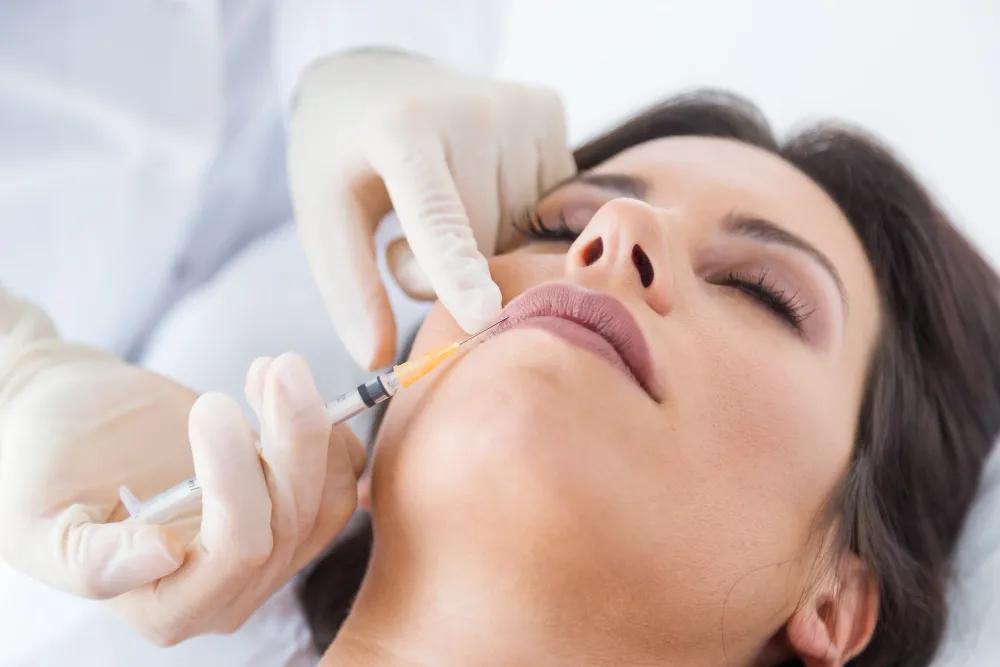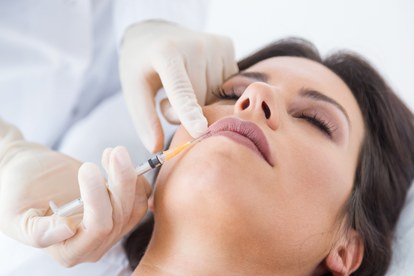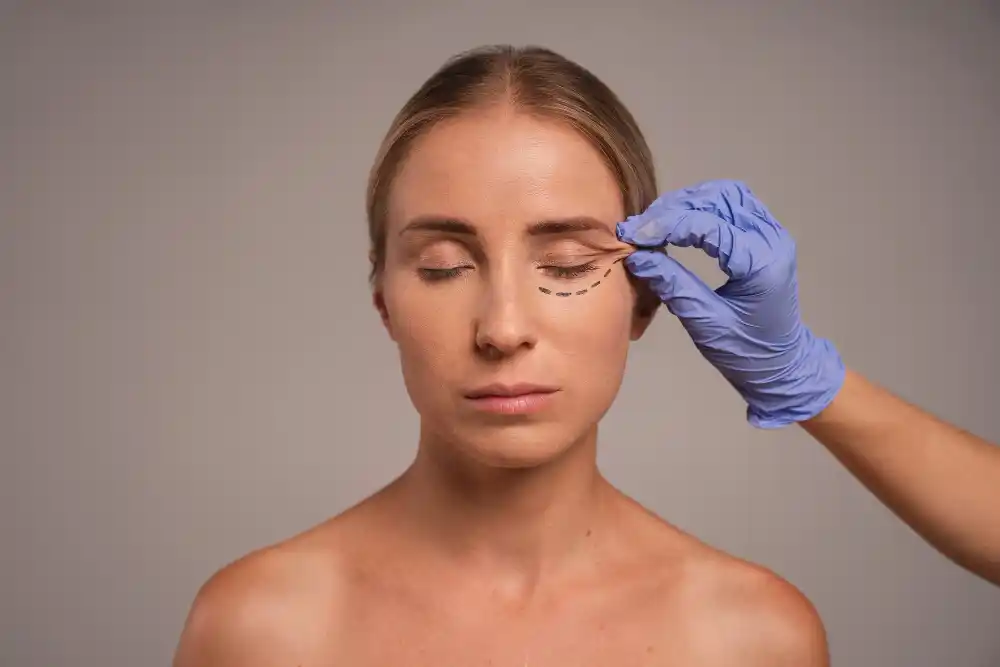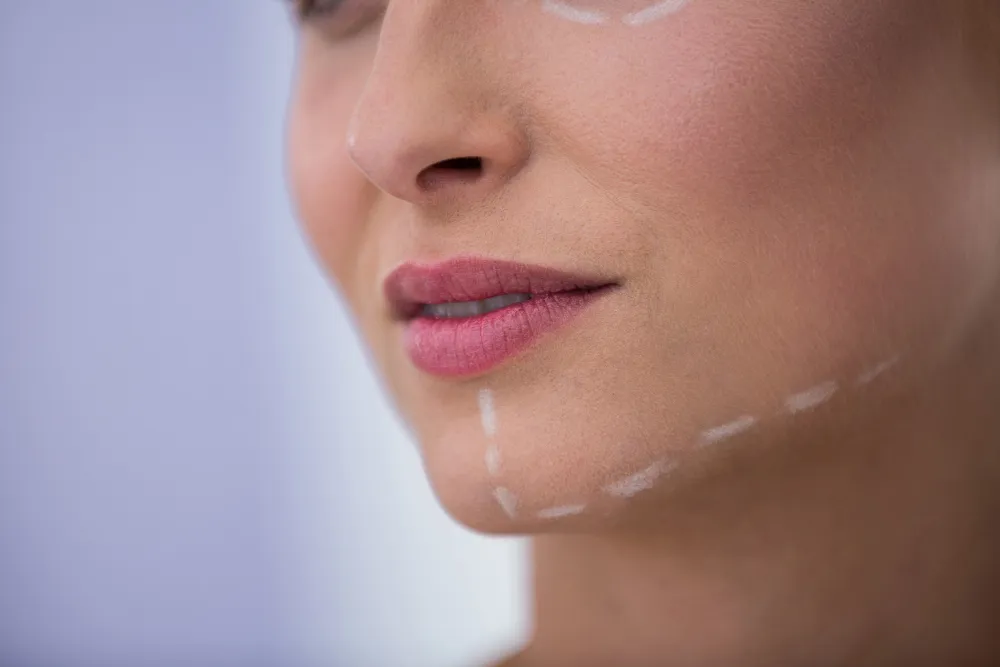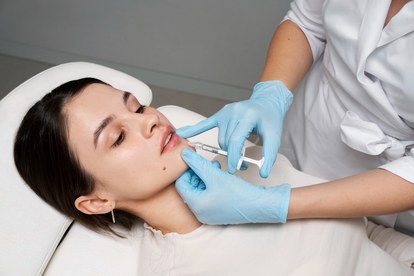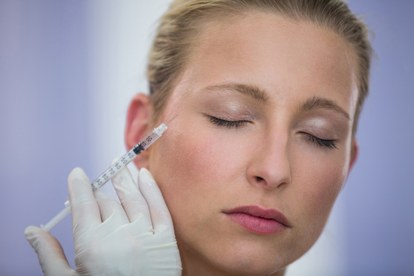





Acne scars can persist long after active acne has resolved, affecting skin texture, facial contours, and overall appearance. While many treatments focus on resurfacing the skin, dermal fillers are sometimes considered to improve selected types of acne scars.
Why Acne Scars Are Structurally Complex
Acne scars are not surface-level imperfections. They involve deeper structural changes within the dermis and subcutaneous tissue.
- loss of collagen and dermal support
- fibrotic tethering of the skin
- irregular healing patterns
- variable scar depth and distribution
Because of this complexity, soft tissue fillers for acne scars must be used selectively and with precise assessment.
Types of Acne Scars and Filler Suitability
Rolling scars
Rolling scars are broad, shallow depressions often caused by volume loss and fibrous attachments. These scars are generally the most responsive to acne scar fillers, especially when combined with other techniques.
Boxcar scars
Boxcar scars have sharper edges and varying depth. Dermal fillers acne scars treatment may offer partial improvement in selected cases, particularly when scars are shallow.
Pitted (ice-pick) scars
Dermal fillers for pitted acne scars are typically not recommended. These narrow, deep scars extend beyond the reach of fillers and respond better to alternative approaches.
What Can Go Wrong with Dermal Fillers for Acne Scars?
When fillers are used without proper scar classification, complications may occur.
- uneven skin texture
- visible lumps or overcorrection
- temporary improvement with rapid relapse
- masking rather than true scar correction
Using fillers in inappropriate scar types often leads to disappointing or short-lived results.
Which Fillers Are Commonly Used for Acne Scars?
Hyaluronic acid fillers are most commonly used due to their reversibility and predictable behavior.
Acne scar correction typically falls under the broader category of Dermal Fillers, often paired with skin quality or regenerative treatments.
In many cases, fillers are used conservatively to lift depressed areas rather than replace large volumes.
How Long Do Acne Scar Fillers Last?
The longevity of acne scar fillers varies depending on scar type, filler selection, and treatment approach.
- temporary hyaluronic acid fillers: approximately 6–12 months
- improvement may appear longer when combined with collagen remodeling techniques
Repeat sessions are often required to maintain results.
Are Fillers Enough on Their Own?
In most cases, acne scar fillers are not a standalone solution.
Optimal results are usually achieved through combination protocols that may include subcision, resurfacing, or skin revitalization. These approaches are often grouped within Complex Treatment strategies.
For scars driven primarily by skin quality rather than volume loss, supportive approaches such as Mesotherapy may be more appropriate.
How Professionals Reduce the Risk of Poor Outcomes
Experienced practitioners minimize risks by:
- accurate scar classification
- using minimal filler volumes
- avoiding overcorrection
- combining fillers with adjunctive treatments when indicated
Dermal fillers for acne scars improve contour and light reflection but do not erase scars.
The goal is smoother texture and visual improvement rather than perfectly uniform skin.
Related Resources on Unboxed Fillers
Acne scar fillers can be effective for selected scar types when used conservatively and as part of a broader treatment plan.
Proper assessment, combination therapy, and realistic expectations are essential for achieving natural-looking improvement.
For further insights, explore more articles on Unboxed Fillers.
FAQ: Dermal Fillers for Acne Scars
Can dermal fillers treat acne scars?
Dermal fillers can improve certain types of acne scars by lifting depressed areas and improving skin contour. They are most effective for scars related to volume loss rather than surface irregularities.
Which acne scars respond best to fillers?
Rolling scars tend to respond best to dermal fillers because they are often caused by volume loss and fibrous tethering. Shallow boxcar scars may also show partial improvement in selected cases.
Are dermal fillers effective for ice-pick acne scars?
Dermal fillers are generally not effective for ice-pick or deeply pitted acne scars, as these scars extend deeper than fillers can correct and usually require alternative treatment methods.
How long do results from acne scar fillers last?
Results typically last between 6 and 12 months when hyaluronic acid fillers are used. Longevity may be extended when fillers are combined with collagen-stimulating or regenerative treatments.
Can fillers completely remove acne scars?
No. Dermal fillers do not remove acne scars or restore normal skin architecture. The goal is to soften depressions, improve contour, and reduce the visual appearance of scars rather than eliminate them.
Are acne scar fillers safe?
When performed by experienced, licensed professionals and used conservatively, acne scar fillers are generally safe. Risks increase when fillers are used in inappropriate scar types or without proper assessment.
Are fillers used alone or combined with other treatments?
Acne scar fillers are rarely used as a standalone treatment. They are often combined with subcision, resurfacing, or skin quality therapies to achieve more consistent and longer-lasting improvement.
Who is not a good candidate for acne scar fillers?
Patients with predominantly ice-pick scars, extensive fibrotic scarring, or expectations of complete scar removal are generally not ideal candidates for filler-based correction.
Professional Disclaimer
This content is provided for educational and informational purposes only. It does not provide medical advice, treatment protocols, or self-care instructions. All injectable procedures must be performed and managed by qualified healthcare professionals in accordance with applicable regulations and approved medical standards. Please review our full disclaimer: Disclaimer.