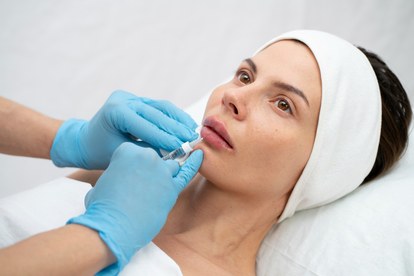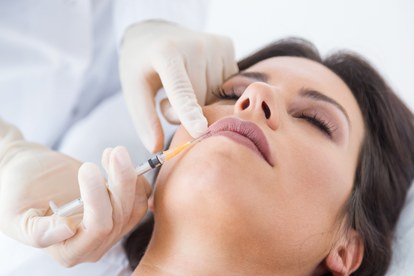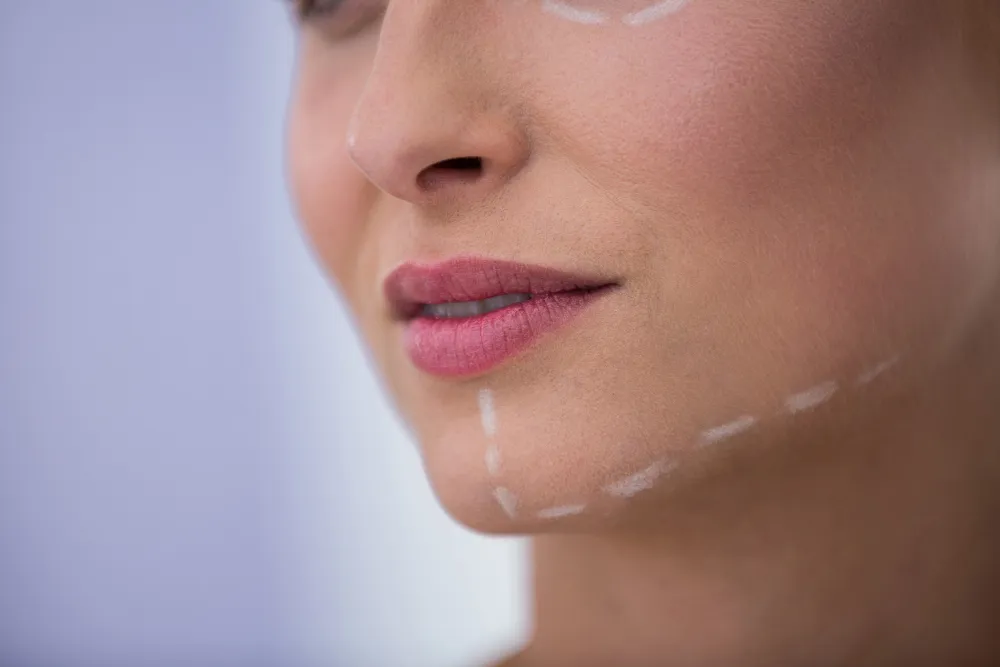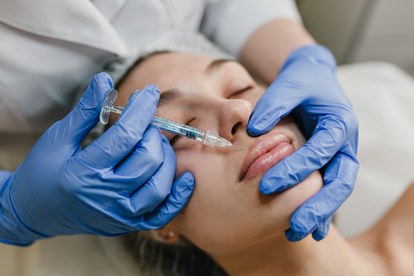




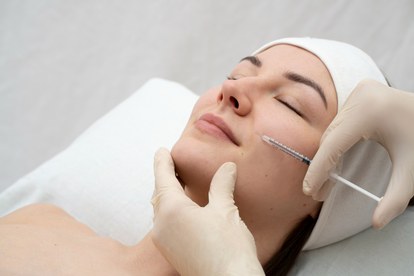
Cheek augmentation is the architectural foundation of midface rejuvenation. It is no longer just about filling "hollows"; it is about restoring the biomechanical support of the face. When performed correctly, cheek fillers can reposition descending tissues, indirectly softening the nasolabial folds and refining the jawline contour.
To achieve professional-grade results, practitioners must move beyond basic filling and adopt a structural mapping approach. This involves a deep understanding of fat compartment anatomy and the rheological requirements of the chosen hyaluronic acid (HA) gel.
The Science of Projection: Why G-Prime Matters
Unlike lip treatments, the midface requires fillers with high G-Prime (elastic modulus). Products like Juvederm Voluma or Restylane Lyft are engineered to resist deformation under the pressure of facial muscles. Using a low-cohesivity gel in this area will result in poor "lift" and rapid product flattening.
Advanced Cheek Filler Mapping: The MD Codes System
Modern practitioners rely on standardized mapping, such as the MD Codes (developed by Dr. Mauricio de Maio), to ensure symmetry and safety. This system identifies specific trigger points for midface support:
- Ck1 (Zygomatic Arch): Provides the lateral "lift" and defines the high cheekbone.
- Ck2 (Zygomatic Eminence): The peak of the cheekbone, critical for light reflex.
- Ck3 (Anteromedial Cheek): Addresses the "tired" look but carries the highest risk of overfilling.
- Ck4 & Ck5: Target the parotid area and submalar zone for overall facial harmony.
Clinical Pearl: Always prioritize the lateral support (Ck1) before adding volume to the medial cheek. This ensures a "lifting" effect rather than an "expanding" effect, maintaining the patient's natural Ogee Curve.
Where to Inject: Deep Plane vs. Subcutaneous
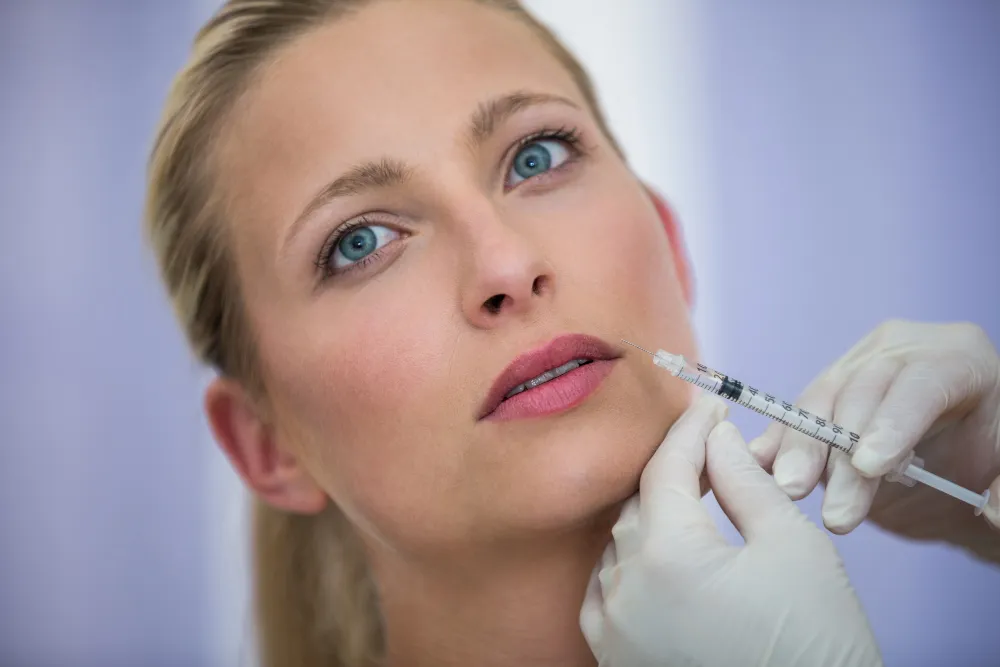
The success of cheek filler depends heavily on the injection plane. There are two primary clinical approaches:
- Supraperiosteal (Bolus Technique): Injecting directly onto the bone using a needle. This provides maximum structural lift and is ideal for Ck1 and Ck2 points.
- Subcutaneous/Deep Malar (Cannula Technique): Using a 22G or 25G cannula to fan filler through the deep fat compartments. This is safer for vascular structures and provides a smoother transition in the malar zone.
Avoiding the "Pillow Face" Syndrome
The most common complication in midface fillers is an aesthetic one. "Pillow Face" occurs when too much filler is placed in the medial fat compartments. When the patient smiles, the filler is pushed upward, narrowing the eyes and creating an unnatural, "overstuffed" appearance.
| Technique | Primary Benefit | Risk of Over-injection |
|---|---|---|
| Lateral Bolus | Structural lifting & contour | Asymmetry; palpable nodules |
| Medial Fanning | Volume restoration | "Pillow Face"; lymphatic obstruction |
Vascular Safety: The Infraorbital Danger Zone
The midface is home to the infraorbital artery and nerve. Mapping must account for the infraorbital foramen, located roughly 1cm below the lower orbital rim. Practitioners should never inject high volumes directly medial to the pupillary line in a superficial plane without extreme caution.
- Aspiration: A 10-second aspiration is mandatory when performing supraperiosteal boluses with a needle.
- Cannula Use: Highly recommended for medial cheek work to minimize the risk of intravascular injection and bruising.
Results and Longevity
Due to the depth of placement and the use of high-density fillers, cheek augmentation is one of the longest-lasting HA treatments. Patients can expect results to remain stable for 12 to 18 months, depending on the metabolic rate and the specific filler's cross-linking technology.
For more technical breakdowns of filler brands and injection techniques, explore our Dermal Fillers category.
FAQ: Cheek Filler Placement & Mapping
What is the most important injection point for a cheek lift?
The lateral zygomatic arch (Ck1) is the primary anchor point for a non-surgical midface lift.
Can cheek filler migrate?
While less common than in the lips, migration can occur if "soft" fillers are placed too superficially in areas of high muscle activity.
How do I avoid a "fake" look?
Focus on restoring the natural Ogee Curve—the gentle S-curve seen from a 45-degree profile view—rather than chasing absolute volume.
Is a cannula better than a needle for cheeks?
Both have their place. Needles are superior for bone-anchored support, while cannulas are safer and more efficient for smoothing and fanning through soft tissue.
Professional Disclaimer
This content is for educational purposes only and is intended for licensed medical professionals. Cheek filler injections carry risks of vascular occlusion and blindness if performed incorrectly. Always follow established clinical safety protocols.