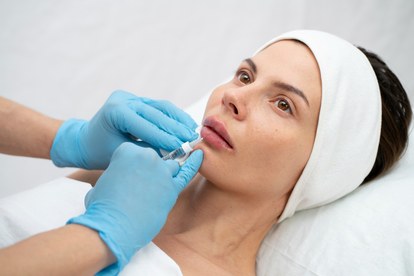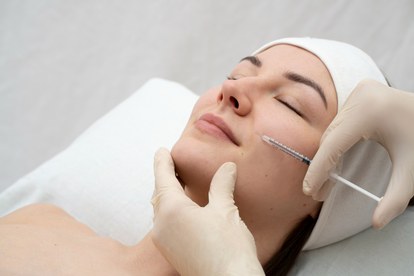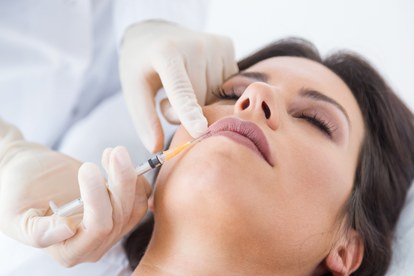




A corner lip lift—clinically referred to as a commissure lift or "grin lift"—is a precision surgical procedure designed to reposition the lateral edges of the mouth. Unlike a subnasal lip lift, which focuses on the philtrum length, the corner lift specifically targets the "sad" or "stern" expression caused by downward-sloping oral commissures.
While often compared to non-surgical "liquid lifts," the corner lip lift addresses a structural sagging of the modiolus—the fibromuscular junction where several facial muscles meet. For many patients, especially those with genetic downturns or significant age-related laxity, surgical correction provides the only permanent solution where injectables fall short.
Pathophysiology: Why Lip Corners Turn Downward
The orientation of the mouth corners is governed by a delicate balance between elevator and depressor muscles. Downturned corners are typically driven by:
- DAO Muscle Hyperactivity: The Depressor Anguli Oris (DAO) muscle constantly pulls the commissures downward.
- Atrophy of the Modiolus: Loss of fat and collagen around the corner of the mouth leads to a lack of structural support.
- Genetic Anatomy: Some individuals naturally possess a downturned resting expression, often resistant to volume-based correction.
- Maxillary Recession: Bone loss over time alters the foundation upon which the lips sit.
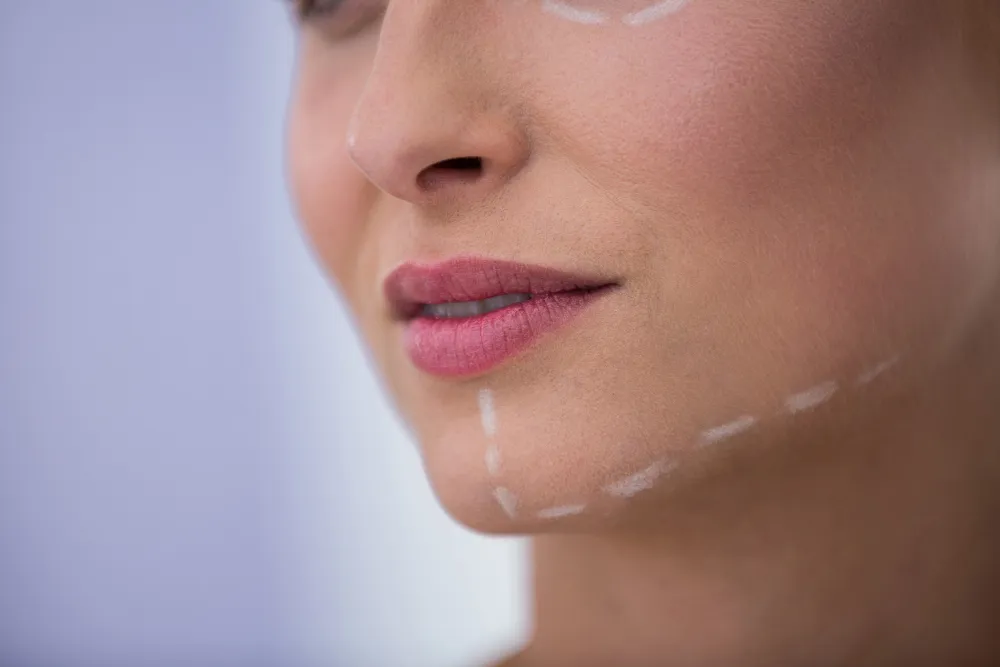
The Surgical Procedure: Mapping the Lift
The procedure is a minor outpatient surgery, typically lasting 45 to 60 minutes under local anesthesia. The primary technique involves:
- Strategic Excision: A small triangular or "Valentine-shaped" piece of skin is removed just above the oral commissure.
- Muscle Repositioning: In some cases, the surgeon may perform a limited myotomy of the DAO muscle fibers to reduce downward pull.
- Precision Suturing: The edges are rotated and sutured to "lock" the corner into a neutral or slightly elevated position.
Surgical vs. Non-Surgical: The Comparison
Choosing between a surgical lift and injectables depends on whether the issue is a lack of volume or a positional shift.
| Method | Mechanism | Ideal Use Case |
|---|---|---|
| Corner Lip Lift | Skin excision & repositioning | Permanent structural downturn |
| Dermal Fillers | Volume support at the commissures | Volume loss & marionette shadows |
| Botox (DAO) | Relaxing the depressor muscle | Mild, dynamic "frowny" expression |
Scarring and Aesthetic Integration
The primary concern with a corner lip lift is the potential for visible scarring at the commissures. Because the skin around the mouth is highly mobile, tension on the wound can lead to wider scars if not managed correctly.
- Initial Phase: Scars may appear red or slightly raised for the first 4–8 weeks.
- Maturation: Fine sutures are removed within a week, and the scar typically fades into the natural lip line over 3–6 months.
- Management: Silicon gels and laser treatments are often recommended post-operatively to ensure the scar is virtually imperceptible.
Clinical Results and Longevity
The results of a corner lip lift are considered permanent. Unlike hyaluronic acid treatments that require maintenance every 6–9 months, surgery provides a one-time fix for the anatomical positioning of the mouth. While natural aging will continue to affect the skin's elasticity, the structural "reset" of the corners remains intact.
Who is the Ideal Candidate?
Practitioners typically recommend a corner lip lift for patients who:
- Present with "static" downturned corners that do not resolve with fillers.
- Have tried Botox for the DAO muscle with insufficient results.
- Are not prone to keloid or hypertrophic scarring.
- Desire a permanent change in their "resting" facial expression.
For more complex cases involving global perioral aging, a complex treatment plan combining surgery with laser resurfacing and fillers often yields the most harmonious results.
Explore more clinical insights and aesthetic guides at Unboxed Fillers.
FAQ: Corner Lip Lift
Is the procedure painful?
Under local anesthesia, the patient feels no pain. Post-operative discomfort is mild and typically managed with over-the-counter analgesics.
Will it change the shape of my smile?
No, it is designed to improve the resting position of the mouth. Your dynamic smile remains natural, as the procedure does not interfere with the major zygomatic muscles.
Can I get fillers after a corner lip lift?
Yes. In fact, many practitioners use small amounts of filler after the surgical site has healed to further refine the volume and smooth any residual shadows.
How long is the recovery?
Social downtime is usually 7–10 days. Most swelling and bruising resolve within this window, and makeup can be applied once sutures are removed.
Professional Disclaimer:
This content is for educational purposes only. Surgical procedures must be performed by board-certified plastic surgeons or qualified specialists. Individual results may vary based on anatomy and healing capacity.