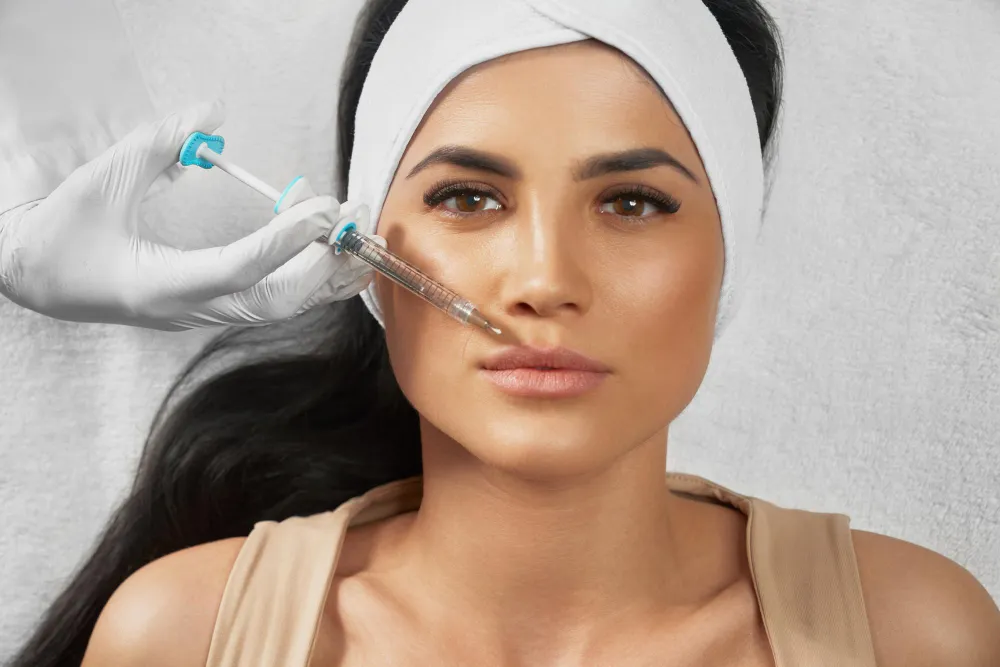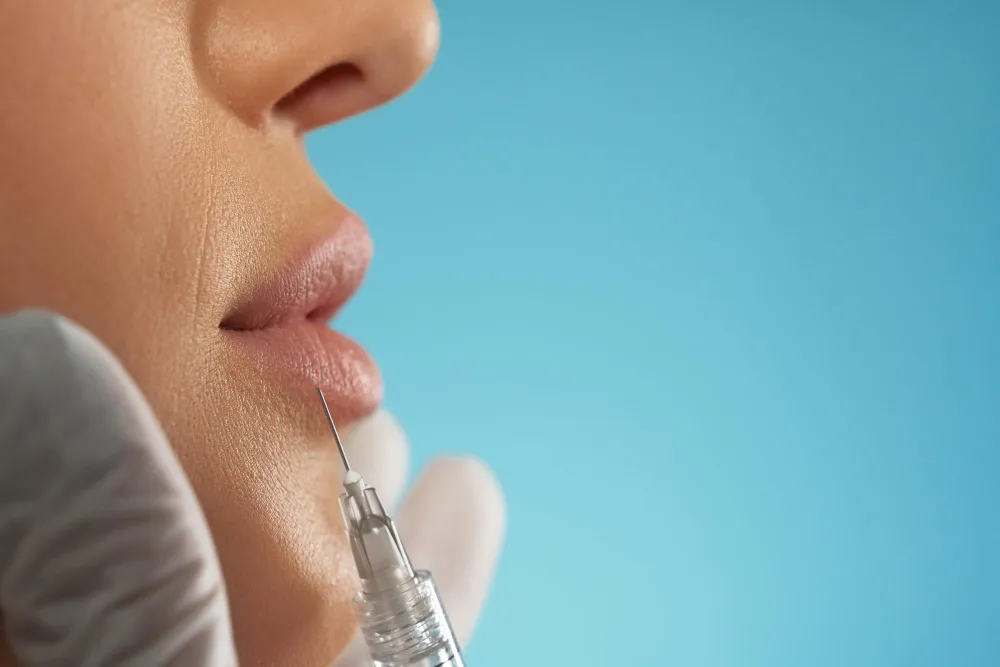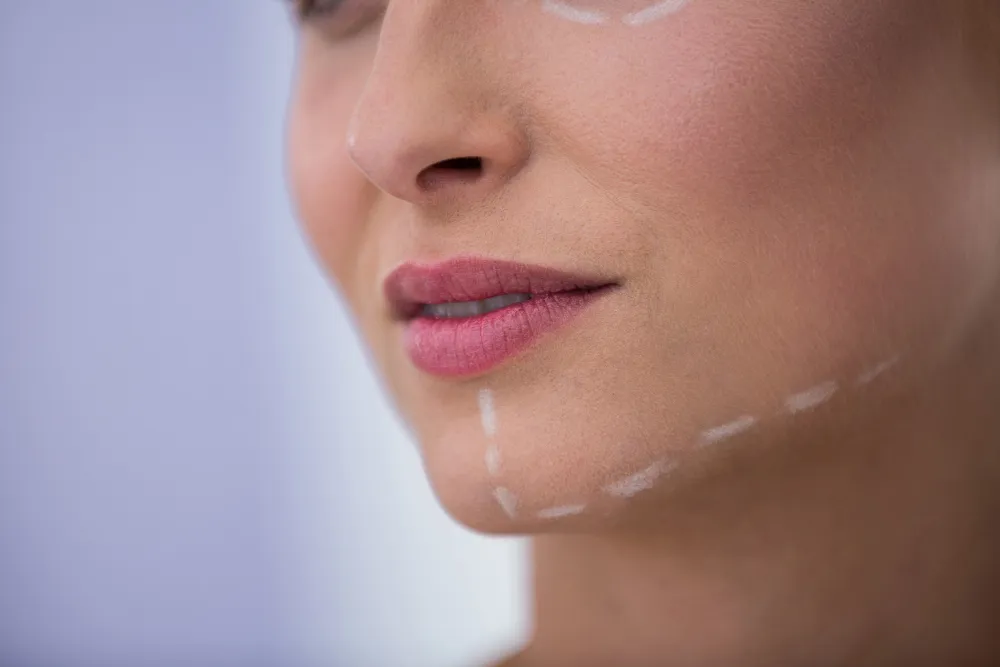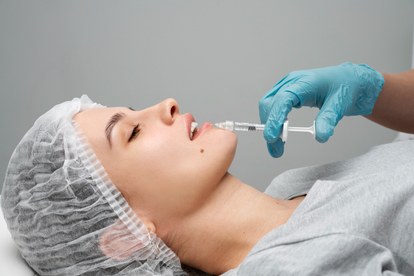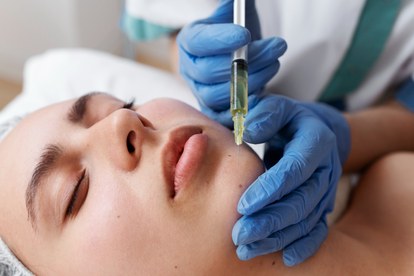




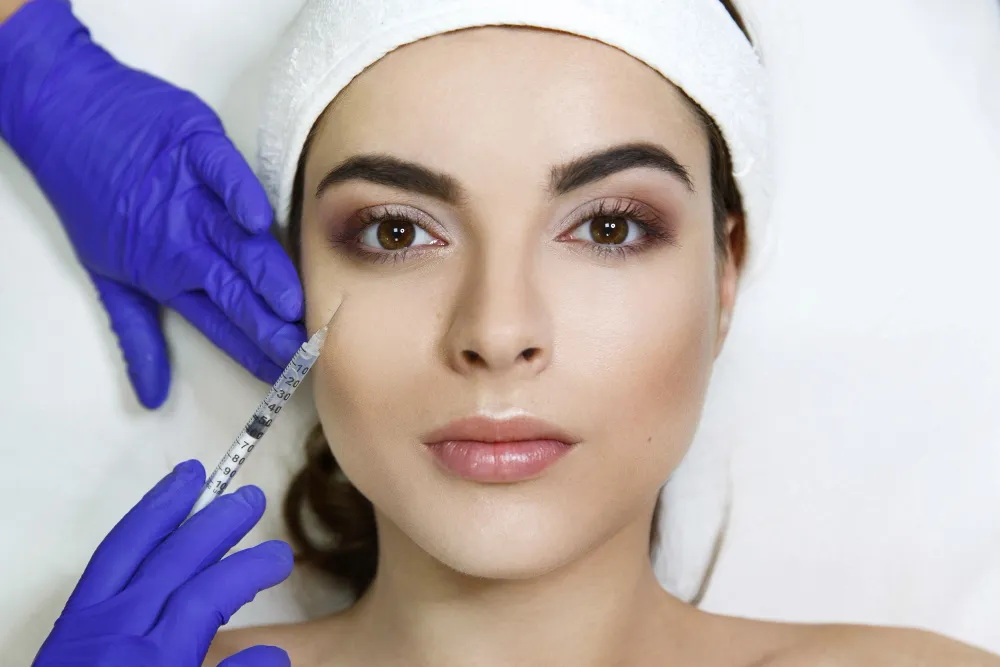
Neauvia and Teosyal are advanced hyaluronic acid–based dermal filler systems widely used in aesthetic medicine for facial contouring, volume restoration, and wrinkle correction. Although both rely on stabilized HA, their manufacturing technologies and clinical behavior differ significantly.
This comparison examines Neauvia vs Teosyal with a focus on formulation, rheology, tissue integration, and professional indications.
Brand Overview and Philosophy
Neauvia
Neauvia is an Italian filler brand known for combining hyaluronic acid with polyethylene glycol (PEG) crosslinking. This approach aims to improve gel stability while maintaining elasticity and biocompatibility.
Commonly used products include Neauvia Organic Intense Flux, Neauvia Organic Intense Rheology, and Neauvia Organic Intense LV. This PEG-based approach differentiates Neauvia from traditional BDDE-crosslinked fillers by prioritizing elasticity and dynamic tissue response.
Teosyal
Teosyal is a Swiss dermal filler line produced using patented HA crosslinking technologies designed to deliver predictable elasticity and long-lasting volume with smooth tissue integration.
Frequently selected products include Teosyal RHA 3, Teosyal RHA 4, and Teosyal Ultra Deep. In contrast, Teosyal focuses on controlled projection and structural support through differentiated HA densities.
Hyaluronic Acid Technology
Neauvia uses PEG crosslinking instead of traditional BDDE, which may reduce residual crosslinking agents and improve long-term stability.
- PEG-based crosslinking
- high biocompatibility
- elastic gels designed for dynamic areas
Teosyal employs cohesive HA networks tailored to different facial zones.
- RHA (Resilient Hyaluronic Acid) technology
- high elasticity with controlled projection
- formulations adapted to facial movement
Clinically, this means Neauvia adapts better to facial movement, while Teosyal offers more predictable shape retention under load.
Texture, Elasticity, and Handling
From a clinical handling perspective:
- Neauvia fillers tend to feel highly elastic and adaptable during facial movement
- Teosyal gels offer controlled firmness and predictable projection
Neauvia is often favored for mobile zones, while Teosyal excels in structured contouring.
In practice, Neauvia is chosen when movement and flexibility are priorities, whereas Teosyal is selected when defined contour and projection are required.
Longevity and Tissue Integration
Longevity varies by product and injection depth.
- Neauvia: approximately 9–15 months
- Teosyal: approximately 12–18 months
Both brands integrate smoothly when placed correctly and maintain natural facial dynamics. The slightly longer longevity of Teosyal reflects its higher gel density and structural focus, while Neauvia prioritizes elasticity over extended persistence.
Indications and Treatment Areas
Neauvia is commonly selected for:
- dynamic facial areas
- patients with expressive facial movement
- subtle volume correction
Neauvia may be less suitable for patients requiring strong structural lift or long-term projection.
Teosyal is frequently chosen for:
- midface volumization
- deep wrinkle correction
- structural contouring of cheeks and jawline
Teosyal may feel less adaptive in highly mobile areas compared to more elastic HA formulations.
Safety and Reversibility
Both Neauvia and Teosyal are hyaluronic acid fillers and can be dissolved with hyaluronidase if correction is required.
This reversibility supports conservative treatment planning and enhances safety in complex facial areas. This reversibility supports staged correction and conservative treatment planning, particularly in anatomically sensitive areas.
Neauvia vs Teosyal: Key Differences
- Neauvia uses PEG crosslinking rather than traditional BDDE
- Teosyal offers a broader range of structured HA densities
- Neauvia emphasizes elasticity and dynamic integration
- Teosyal prioritizes controlled lift and projection
Neauvia is best suited for dynamic facial zones requiring flexibility and movement adaptation. Teosyal is ideal for structured volumization and contour definition.
Related Resources on Unboxed Fillers
Both Neauvia and Teosyal represent advanced HA filler systems, with selection guided by anatomical needs, treatment goals, and injector preference rather than brand alone.
For more professional insights, explore additional comparison articles on Unboxed Fillers.
FAQ: Neauvia vs Teosyal
What is the main difference between Neauvia and Teosyal?
The main difference lies in formulation and clinical behavior. Neauvia uses PEG crosslinking to emphasize elasticity and dynamic tissue integration, while Teosyal focuses on cohesive hyaluronic acid networks designed for controlled lift and structural support.
Which filler is better for dynamic facial areas?
Neauvia is generally better suited for dynamic facial areas due to its elastic gel properties, which allow it to adapt more naturally to facial movement.
Which filler provides stronger lift and contouring?
Teosyal is typically preferred for stronger lift and contouring because of its higher gel density and predictable projection, particularly in the midface and jawline.
Is Neauvia safer because it uses PEG crosslinking?
PEG crosslinking in Neauvia is designed to improve biocompatibility and reduce residual crosslinking agents, but both Neauvia and Teosyal have strong safety profiles when injected correctly by qualified professionals.
How do Neauvia and Teosyal compare in longevity?
Neauvia typically lasts around 9 to 15 months, while Teosyal products often provide results lasting 12 to 18 months, depending on product selection, injection depth, and patient metabolism.
Can Neauvia and Teosyal be used in the same treatment plan?
Yes. Neauvia and Teosyal can be combined within a single treatment plan, using Neauvia in dynamic areas and Teosyal for structural support, depending on anatomical needs and treatment goals.
Are Neauvia and Teosyal reversible?
Both Neauvia and Teosyal are hyaluronic acid–based fillers and can be dissolved with hyaluronidase if correction or adjustment is required.
Professional Disclaimer:
This content is provided for educational and informational purposes only. It does not provide medical advice, treatment protocols, or self-care instructions. All injectable procedures must be performed by qualified healthcare professionals in accordance with applicable regulations. Please review our full disclaimer: Disclaimer.