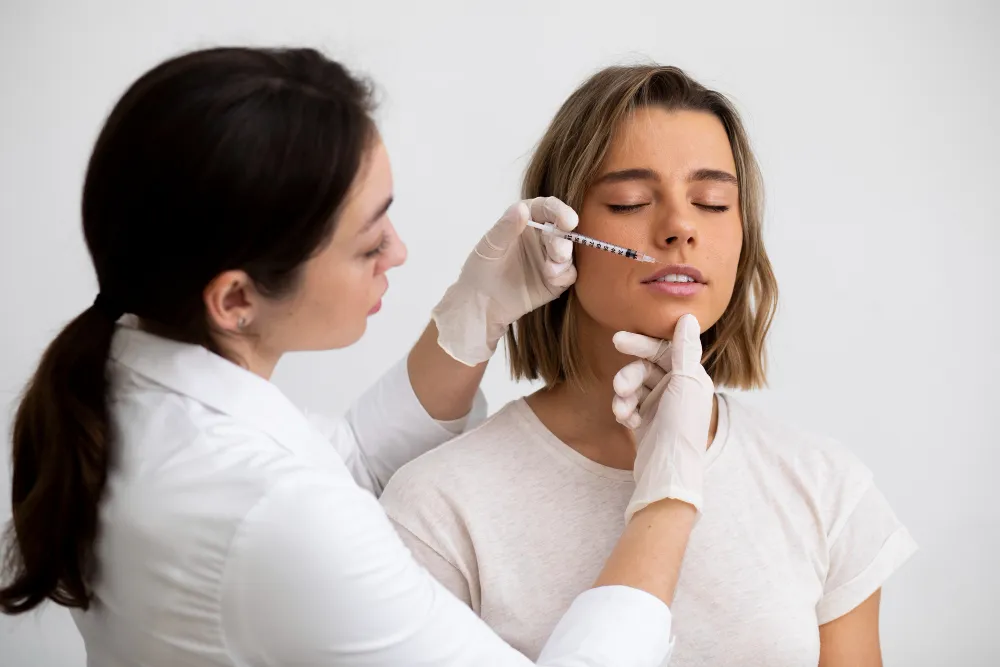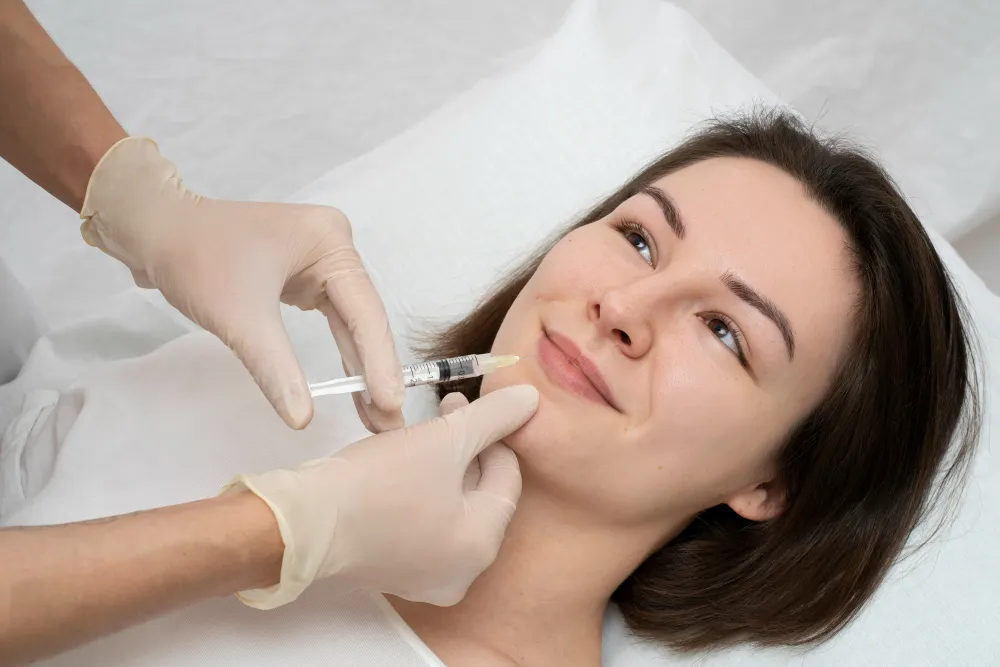




Bruising is one of the most common side effects after lip filler treatment — and purple bruising often causes the most concern. Seeing a dark purple bruise after lip filler can be alarming, especially in such a visible area.
Is Bruising After Lip Filler Normal?
Yes. Bruising after lip filler is common and usually normal.
The lips are highly vascular, meaning they contain many small blood vessels. Even with careful technique, minor vessel injury can occur during injection, leading to bruising.
Why Bruises Can Look Dark or Purple
A dark purple bruise after lip filler typically indicates fresh bleeding beneath the skin.
Purple bruising appears because:
- blood pools under thin lip skin
- oxygen levels in the blood are low initially
- lip tissue is translucent
This coloration is part of the normal healing process and does not usually indicate a complication.
Purple Bruising After Lip Fillers: What Influences It
Several factors affect whether bruising appears and how intense it looks:
- individual tendency to bruise
- needle vs cannula use
- number of injection points
- blood vessel anatomy
- medications or supplements that affect clotting
Lip Filler Bruising Stages
Bruising changes color as the body breaks down trapped blood. Typical lip filler bruising stages include:
Days 1–2
Bruise appears red, blue, or dark purple. Swelling is often present at the same time.
Days 3–5
Bruise may turn deep purple, blue, or green as hemoglobin breaks down.
Days 5–7
Color fades to yellow or light brown. Swelling usually improves significantly.
Days 7–14
Bruising continues to fade and typically resolves completely.
Normal Bruising After Lip Filler vs Concerning Signs
Normal bruising:
- changes color over time
- gradually fades
- is not associated with increasing pain
Signs that require professional evaluation include:
- worsening pain
- skin blanching or persistent discoloration
- bruising that does not improve after two weeks
- signs of infection
Swelling and Bruising Together
Swelling and bruising often occur together after lip fillers. Swelling may make bruises appear larger or darker initially.
As swelling resolves, bruising usually becomes less noticeable.
How Professionals Help Minimize Bruising
Professional strategies to reduce bruising include:
- careful injection technique
- appropriate depth selection
- post-treatment cooling without pressure
- clear aftercare guidance
Bruising is managed conservatively and allowed to resolve naturally.
Can Makeup Cover Purple Bruising?
Once injection sites have closed, makeup may help camouflage bruising. Color-correcting products are often used to neutralize purple tones.
Makeup should not be applied directly over open injection points.
Even with optimal technique, bruising can still occur. Its presence does not reflect poor treatment or poor outcome.
Understanding bruising stages helps reduce unnecessary worry during recovery.
Purple bruising after lip fillers is usually a normal, temporary part of healing. Dark bruises change color, fade gradually, and resolve within one to two weeks for most patients.
Patience, gentle aftercare, and professional guidance are key to navigating recovery confidently.
For further insights, explore related articles on Unboxed Fillers.
FAQ: Purple Bruising After Lip Fillers
Is purple bruising after lip filler normal?
Yes. Purple bruising after lip filler is common and usually normal. It occurs when small blood vessels are disrupted during injection and blood collects under the thin lip skin.
Why does a lip filler bruise look dark purple?
Dark purple bruising appears because fresh blood is trapped beneath the skin, oxygen levels in the blood are initially low, and lip tissue is translucent. This color is a normal early stage of healing.
How long does purple bruising last after lip filler?
Purple bruising typically fades within 7 to 14 days. The color usually changes from purple or blue to green, yellow, or light brown as the body breaks down the blood.
What are the normal stages of lip filler bruising?
Bruising often appears red, blue, or purple during the first few days, then gradually changes to green or yellow before fully fading over one to two weeks.
When should bruising after lip filler be evaluated by a professional?
Professional evaluation is recommended if bruising worsens instead of improving, does not fade after two weeks, is accompanied by increasing pain, skin blanching, or signs of infection.
Does swelling make lip filler bruising look worse?
Yes. Swelling can make bruising appear darker or larger initially. As swelling resolves, bruising usually becomes less noticeable.
Can makeup be used to cover purple bruising?
Once injection sites have closed, makeup may be used to camouflage bruising. Color-correcting products can help neutralize purple tones, but makeup should not be applied over open injection points.
Does bruising mean the lip filler treatment went wrong?
No. Bruising does not indicate poor technique or a bad result. Even with careful injection, bruising can occur due to individual vascular anatomy.
Professional Disclaimer
This content is provided for educational and informational purposes only. It does not replace medical advice, diagnosis, or post-treatment instructions from a licensed healthcare provider. All injectable procedures must be performed and managed by qualified professionals in accordance with applicable regulations and approved medical standards.