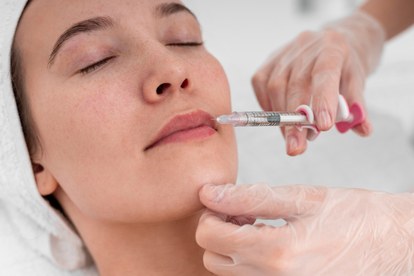





If you’re exploring dermal fillers and can’t decide between Juvederm and Restylane, you’re not alone. These two HA filler families remain the most trusted worldwide, but they behave very differently. One gives stronger lift, the other offers softer expression. One lasts longer in the cheeks, the other feels incredibly natural in the lips. So which one is right for you?
What Is Juvederm?
Juvederm is a family of FDA-approved hyaluronic acid dermal fillers produced by Allergan Aesthetics. The line includes products like Ultra 2, Ultra 3, Ultra 4, Ultra Smile, Volbella, Volift, and Voluma. These fillers typically have a smooth, cohesive gel texture that integrates evenly into tissue and provides a soft, natural lift.
Juvederm products are commonly used for:
- Lip volume and shaping
- Cheek lifting and contour
- Nasolabial folds and marionette lines
- Chin projection and jawline definition
- Tear trough refinement (Volbella)
Because Juvederm formulas vary in firmness, they can create anything from subtle hydration to strong structural lifting. Compared to Restylane, Juvederm fillers are generally smoother and more cohesive, making them better suited for structural lift and deeper volume support.
What Is Restylane?
Restylane, manufactured by Galderma, is another FDA-approved HA filler family known for its flexible, gel-like texture. Popular products include Restylane Classic, Lyft, Defyne, Refyne, and Restylane Kysse with Lido — a top choice for lip enhancement and natural movement.
Restylane fillers are known for their slightly grainier gel structure, giving injectors more control in shaping and sculpting delicate areas. They are commonly used for:
- Lip enhancement (Kysse)
- Smile lines, marionette lines
- Under-eye smoothing
- Cheek support and chin definition
- Fine line correction
The line offers a wide range of flexibility, making Restylane especially popular for lips and natural facial expression work. In contrast to Juvederm, Restylane fillers emphasize flexibility and controlled movement, which is why they are often chosen for highly expressive areas like the lips.
How Do Juvederm and Restylane Feel in the Skin?
Juvederm Texture
Juvederm has a smooth, cohesive gel that spreads evenly and provides a “polished” look. It attracts water strongly due to its formulation, which gives treated areas a plump, hydrated finish. This makes Juvederm excellent for cheeks and deeper folds. This cohesive structure allows the gel to hold shape under pressure, which explains its lifting performance in areas like the cheeks.
Restylane Texture
Restylane is slightly more granular and elastic, giving injectors more precision for shape control. It moves naturally with facial expressions, which is why products like Restylane Kysse are trusted for natural lip enhancement. Its elastic gel network responds better to muscle movement, allowing treated areas to move more naturally during facial expression.
Longevity: Which Lasts Longer?
How long does Juvederm last?
Depending on the product, Juvederm results last 6 to 24 months. Voluma, for example, is injected deeply and can last up to 2 years, while softer gels like Ultra Smile last closer to 6–9 months.
How long does Restylane last?
Restylane products typically last 6 to 12 months. Restylane Kysse, designed for lips, usually lasts around a year but may metabolize faster in patients with high lip mobility.
Longevity can vary depending on injection depth, facial mobility, metabolism, and individual tissue characteristics.
Swelling & Side Effects: Which Is Milder?
Juvederm Swelling
Juvederm tends to cause slightly more initial swelling because its gel attracts more water. This is most noticeable in lip treatments. This water-attracting property contributes to initial swelling, particularly in highly vascular areas like the lips.
Restylane Swelling
Restylane generally produces milder swelling, especially in the lips, making it a preferred option for patients concerned about downtime. Because of its elastic structure, swelling tends to resolve more quickly, especially in mobile facial zones.
Price Comparison: Juvederm vs Restylane
Prices vary by clinic and region, but in most markets:
- Juvederm tends to be slightly more expensive due to longer-lasting formulas like Voluma and Volift.
- Restylane is often moderately priced and may offer more cost-effective options for lips and fine lines.
On average, both brands fall into similar pricing tiers, but Juvederm’s deep-structure fillers usually cost more per syringe.
Which One Looks More Natural?
Natural results depend not only on appearance at rest, but also on how the filler behaves during facial movement.
Lips
Restylane Kysse is often preferred for lips because of its flexibility and natural movement during talking, smiling, and expression.
Cheeks
Juvederm Voluma is the top choice for cheek enhancement due to its lifting strength and smooth integration.
Which One Is Better for Which Area?
- For lips → Restylane Kysse (more flexible, natural movement)
- For cheeks → Juvederm Voluma (strong lifting and contour)
- For deep folds → Juvederm Ultra 4 or Volift
- For natural expression lines → Restylane Refyne/Defyne
While both filler families have strong safety profiles, deeper products like Juvederm Voluma require advanced anatomical knowledge, whereas softer Restylane gels are often chosen for more superficial, expressive areas.
How to Choose: Juvederm or Restylane?
The best filler depends on your goal, anatomy, and how you want the result to feel and move.
- Choose Juvederm if you want strong lifting, cheek contour, or a smooth, hydrated look.
- Choose Restylane if you want natural flexibility, especially in the lips or around expressive areas.
Juvederm and Restylane are both outstanding HA filler families — but they’re built for different purposes. Juvederm offers smooth lift and hydration with longer-lasting structural results, while Restylane focuses on natural movement and shape control. Knowing how each filler behaves in real life helps you choose the brand that matches your anatomy, goals, and expectations.
Whether you are exploring treatment options as a patient or planning injections as a practitioner, predictable results depend on both product selection and authenticity.
FAQ: Juvederm vs Restylane
Which is better for lips: Juvederm or Restylane?
Restylane, especially Restylane Kysse, is often preferred for lip enhancement because of its flexibility and natural movement during speaking and smiling. Juvederm can also be used in lips but may feel slightly firmer and cause more initial swelling.
Which filler lasts longer: Juvederm or Restylane?
Juvederm generally lasts longer, particularly in deeper structural areas such as the cheeks. Products like Juvederm Voluma can maintain results for up to 24 months, while most Restylane fillers last around 6 to 12 months.
Does Juvederm cause more swelling than Restylane?
Juvederm may cause slightly more initial swelling, especially in the lips, because its gel attracts more water. Restylane typically produces milder swelling and may be preferred for patients concerned about downtime.
Which filler looks more natural?
Both fillers can look very natural when injected correctly. Restylane is often chosen for areas with high facial movement, such as the lips, due to its elastic properties, while Juvederm provides a smoother, more polished look in areas requiring lift and volume.
Are Juvederm and Restylane safe?
Both Juvederm and Restylane are FDA-approved hyaluronic acid fillers with strong safety profiles when administered by licensed professionals. Temporary swelling, redness, and tenderness are common and usually resolve within a few days.
Can Juvederm and Restylane be dissolved?
Yes. Both fillers are made from hyaluronic acid and can be dissolved using hyaluronidase if adjustment or correction is needed.
Professional Disclaimer:
This content is provided for educational and informational purposes only. It does not constitute medical advice or treatment protocols. Dermal fillers must be administered by licensed healthcare professionals in accordance with regulatory standards and clinical best practices. For details, please review our full disclaimer: Disclaimer.