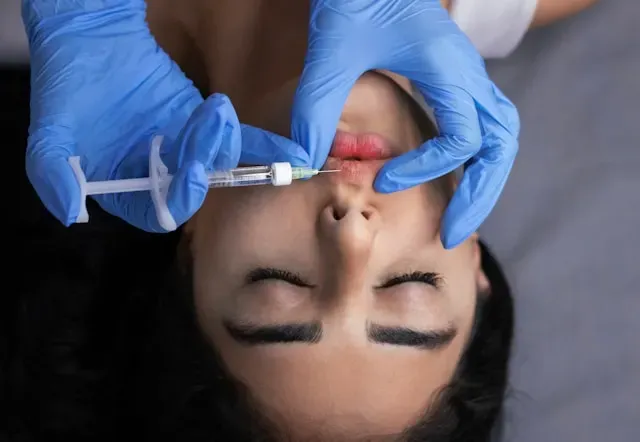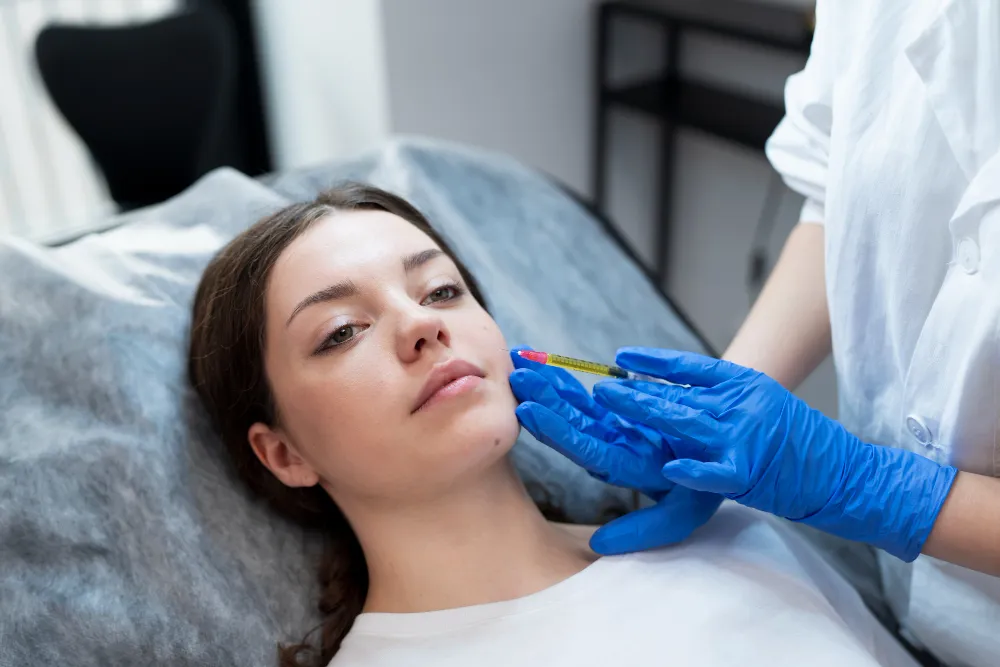




Juvederm stands as a global gold standard in the aesthetic industry, manufactured by Allergan Aesthetics (an AbbVie company). As a premier collection of hyaluronic acid (HA) fillers, Juvederm is engineered to address a wide spectrum of concerns, from fine lines and perioral wrinkles to deep structural volumization and liquid rhinoplasty. Its versatility makes it a cornerstone for both restorative and augmentative facial procedures.
In the United States, Juvederm products are classified as Class III medical devices and have undergone rigorous clinical trials to earn FDA approval for specific aesthetic indications. For the modern clinician, understanding the rheological properties of these formulations is key to achieving predictable, natural-looking outcomes. For patients, knowing the distinction between products ensures realistic expectations and long-lasting satisfaction.
Advanced Juvederm Technology: Vycross vs. Hylacross
The clinical success of Juvederm is rooted in its proprietary cross-linking technologies, which dictate how the gel behaves once injected into the dermis or supraperiosteal plane. These technologies influence the gel’s G-prime (hardness), cohesivity, and resistance to degradation.
- Vycross Technology: This innovative approach combines a high concentration of low-molecular-weight HA with a smaller amount of high-molecular-weight HA. The result is a smooth, efficiently cross-linked gel that offers high integration into facial tissues, less post-procedure swelling (due to lower hydrophilicity), and extended longevity—often up to 18-24 months.
- Hylacross Technology: Found in the "Ultra" range, this produces a highly cross-linked, robust gel with a higher concentration of HA. Hylacross formulations are designed for superior volumizing capacity and are ideal for filling deeper folds and providing structural support.
Juvederm products are essential components of the hyaluronic acid–based fillers market and the broader dermal fillers landscape.
FDA Approvals and Clinical Regulatory Standards
Juvederm's safety profile is backed by extensive regulatory oversight. The U.S. Food and Drug Administration has cleared specific formulations for indications including midface volume deficit, moderate-to-severe facial folds, and submucosal lip augmentation.
For detailed regulatory data, refer to the following official sources:
- Juvederm PMA Summary (FDA Device Database)
- FDA Overview: Dermal Fillers (Soft Tissue Fillers)
- Dermal Filler Do’s and Don’ts (FDA Consumer Guidance)
The Juvederm Portfolio: Product Breakdown
The Juvederm family features a specialized range of formulations, each optimized for different tissue depths and "lift" requirements:
- Juvederm Voluma with Lidocaine: A high-G-prime Vycross filler designed for deep injection to restore midface volume and define cheek contours.
- Juvederm Volift with Lidocaine: Provides a versatile balance of softness and strength, ideal for treating nasolabial folds and contouring facial lines.
- Juvederm Volbella with Lidocaine: A low-concentration HA gel specifically designed for subtle lip enhancement and the correction of delicate perioral (smoker's) lines.
- Juvederm Ultra 3 and Juvederm Ultra 4: Hylacross-based fillers used for correcting moderate to deep folds and providing significant volume in the lower face.
- Juvederm Ultra Smile: Specifically formulated for the mucosal tissue of the lips to provide plush volume and distinct definition.
Clinical Indications and Strategic Placement
Experienced practitioners select Juvederm formulations based on the "Layering Technique" and anatomical site needs:
- Medial & Lateral Cheek: Requires high-lifting capacity (Voluma).
- Dynamic Perioral Zone: Requires high tissue integration and flexibility (Volbella/Volift).
- Lower Face Structural Support: Ideal for marionette lines and jawline definition (Ultra 4/Voluma).
Frequently Asked Questions for Professionals
- How do Vycross gels perform in dynamic facial areas?
Vycross gels exhibit excellent tissue integration, meaning they move naturally with facial expressions without creating "sausage-like" deformities or visible ridges. - Can Juvederm be reversed in the event of a complication?
Yes. All Juvederm fillers are HA-based and can be rapidly hydrolyzed using hyaluronidase (such as Liporase) in cases of overcorrection or vascular emergency. - What is the best Juvederm filler for "Russian Lips"?
Ultra 3 and Ultra Smile are often preferred for vertical injection techniques due to their balance of volume and structural hold.
Common Patient Inquiries
- Will I look "overfilled"?
Modern Juvederm techniques focus on "micro-optimization." When performed by a skilled injector, the goal is to enhance natural features rather than distort them. - Is post-injection swelling permanent?
No. While Juvederm is hydrophilic, Vycross products significantly reduce the risk of dramatic swelling. Most edema resolves within 48-72 hours. - How long until I see the final results?
While the volume change is immediate, the gel takes approximately 14 days to fully integrate with your tissues and for all minor swelling to subside.
Best Practices: Handling and Safety
To ensure patient safety and maximize the aesthetic outcome, several clinical principles must be followed:
- Depth Accuracy: Incorrect placement (e.g., Voluma too superficially) can lead to the Tyndall effect or palpable nodules.
- Aspiration & Technique: Slow, retrograde injections and constant anatomical awareness are vital to prevent vascular compromise.
- Sterility: Maintaining a sterile field is paramount to prevent biofilm formation and delayed-onset nodules.
Explore Related Resources:
Juvederm remains a cornerstone of non-surgical rejuvenation, offering a scientifically-backed portfolio that allows for highly customized treatments. When combined with expert clinical judgment, it provides some of the most durable and natural results in the market.
FAQ: Juvederm Dermal Fillers
What are the primary uses for Juvederm?
Juvederm is primarily used for restoring lost facial volume, smoothing deep wrinkles (folds), and augmenting features like the lips, cheeks, and jawline. It is highly effective for nasolabial folds, marionette lines, and hollow midface areas.
Vycross vs. Hylacross: Which is better?
Neither is "better," but they serve different purposes. Vycross (Voluma, Volbella, Volift) is newer, lasts longer, and spreads less, making it great for contouring. Hylacross (Ultra series) is more robust and offers significant volumization for deeper lines.
Which Juvederm is most popular for lip fillers?
Juvederm Volbella is favored for a subtle, hydrated look, while Juvederm Ultra Smile or Ultra 3 are chosen for patients seeking more noticeable volume and "pout."
How long does Juvederm Voluma last?
Juvederm Voluma is one of the longest-lasting HA fillers on the market, with clinical results often visible for up to 24 months in the cheek area.
Is the procedure painful?
Most Juvederm products contain 0.3% Lidocaine (a local anesthetic), which significantly increases patient comfort during the injection process.
What is the Tyndall effect, and does Juvederm cause it?
The Tyndall effect is a bluish hue that occurs when filler is injected too superficially. While any HA filler can cause it, using low-concentration Vycross fillers like Volbella in delicate areas reduces this risk.
Is Juvederm FDA-approved?
Yes, the Juvederm collection has several FDA approvals for specific facial regions, confirming its safety and efficacy for professional use.
Professional Disclaimer:
This content is provided for educational and informational purposes only and does not constitute medical advice. All injectable procedures must be performed by licensed healthcare professionals in accordance with local regulations. Please review our full disclaimer: Disclaimer.