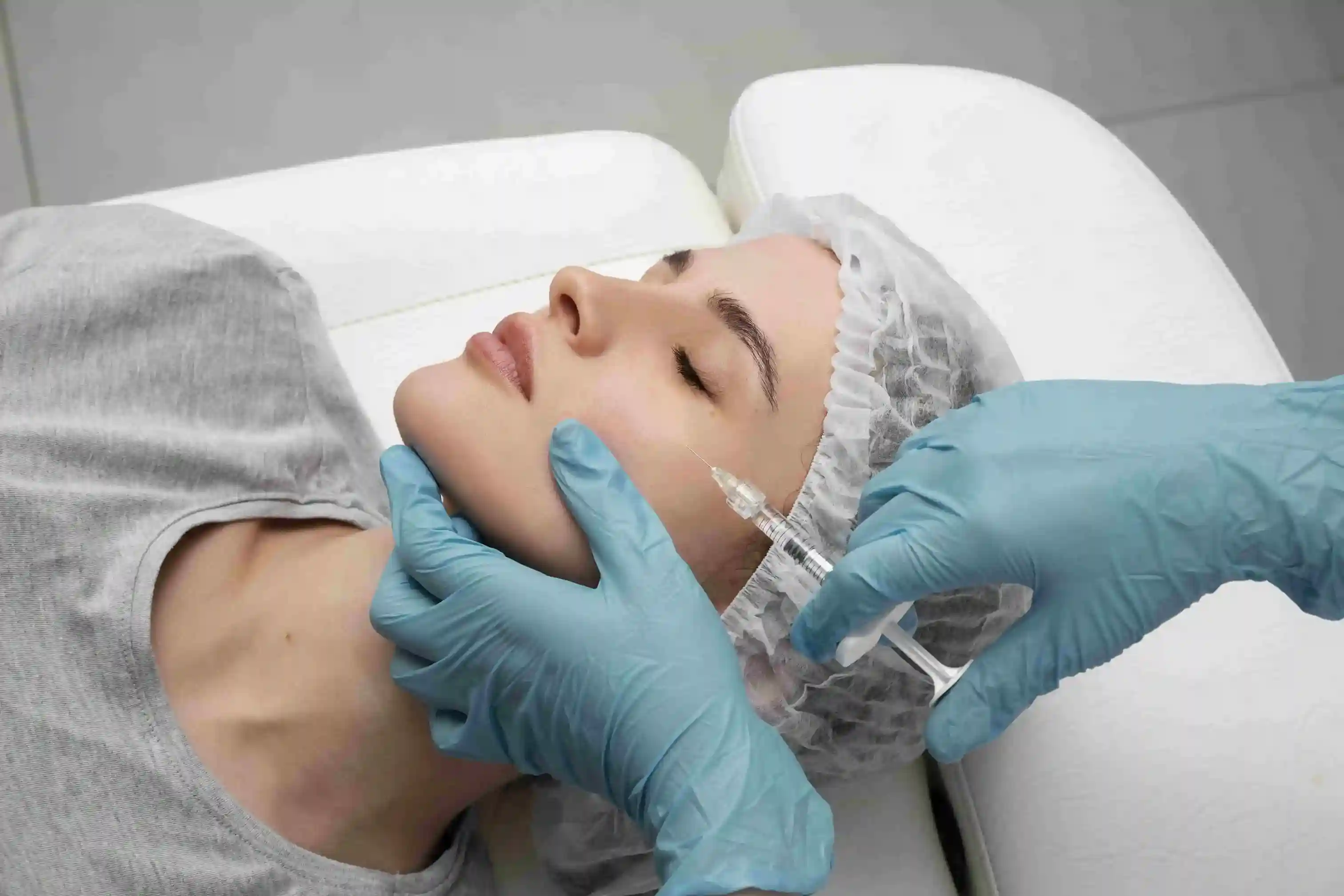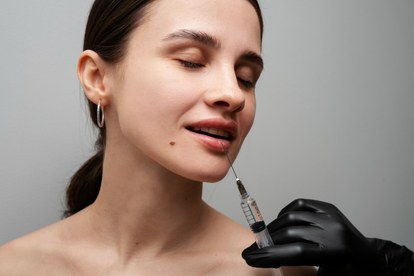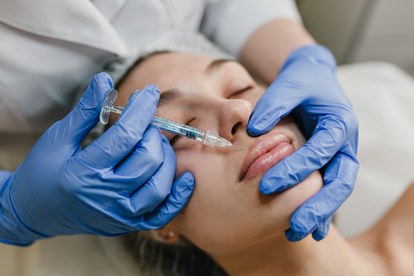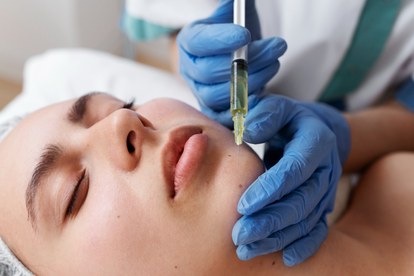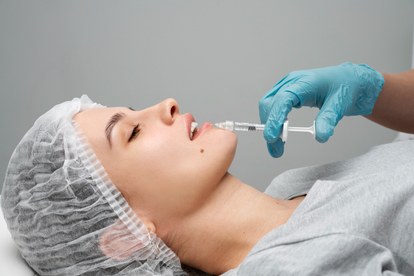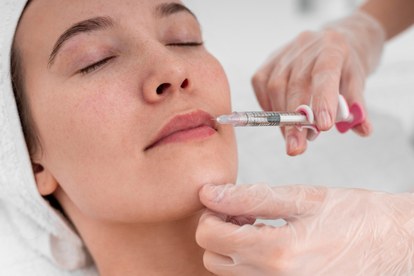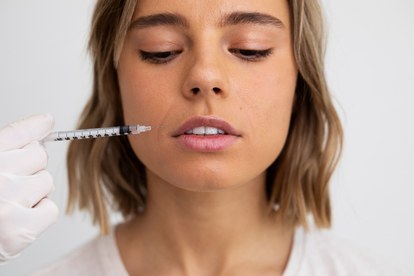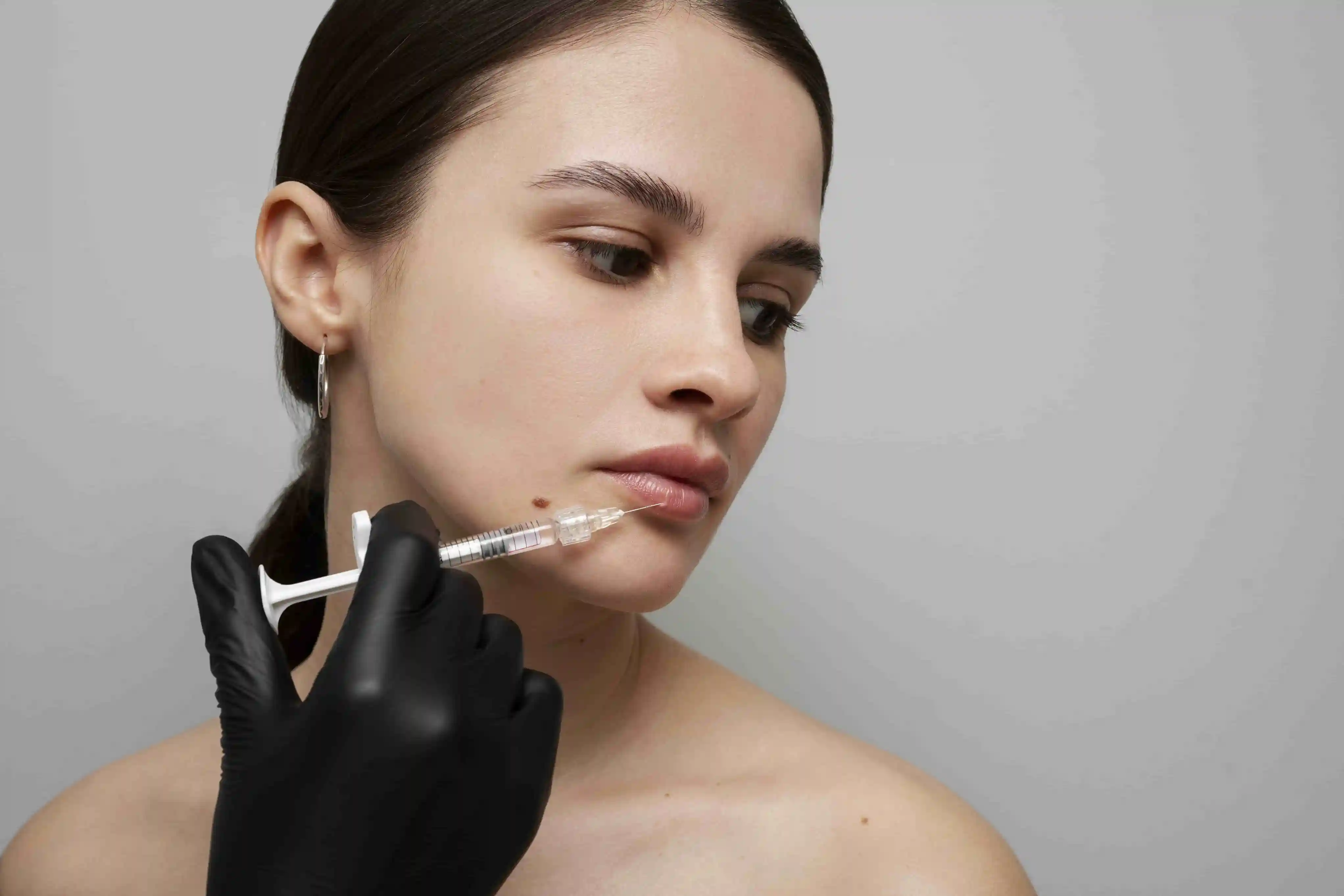




Lips peeling after filler and dry lips after filler are common early reactions, especially within the first week. In most cases, this is part of normal healing rather than a complication.
This guide explains what causes peeling and dryness, how long it typically lasts, what supportive care is reasonable, and which signs should be assessed by a qualified professional.
Why Lips Peel After Filler
Peeling usually reflects a combination of temporary inflammation and surface disruption rather than “damage” from the filler itself. Common contributors include:
- microtrauma at injection sites
- temporary swelling that stretches the lip surface
- short-term changes in circulation and fluid balance
- increased mouth breathing during early tenderness
- environmental dryness (cold air, wind, indoor heating)
Dry Lips After Filler: What’s Happening Under the Surface
Most lip fillers are hyaluronic acid–based. Hyaluronic acid binds water within tissue, which can change how hydration is distributed during early healing. Some patients experience surface dryness or flaking while deeper tissue holds more fluid.
For background on HA-based products, see: Hyaluronic Acids and Dermal Fillers.
Lips Peeling After Filler Timeline
While individual healing varies, many patients follow a predictable pattern:
- Days 1–2: swelling and tenderness peak; lips may feel tight and dry
- Days 3–5: flaking/peeling becomes more noticeable as swelling starts to reduce
- Days 6–10: surface texture usually improves; dryness gradually resolves
Mild peeling can occasionally persist up to two weeks in dehydrated or sensitive patients, but it should trend toward improvement.
What Is Considered Normal vs Not Normal
Usually normal
- mild peeling or flaking without increasing pain
- dryness that improves with gentle moisturization
- tenderness that gradually decreases over several days
May require professional evaluation
- increasing pain (especially sharp or persistent)
- dusky, grey, or spreading discoloration
- areas that feel cold, numb, or progressively tighter
- worsening asymmetry with new color change
The U.S. Food and Drug Administration provides general safety guidance on dermal filler risks and aftercare expectations here: FDA Dermal Filler Do’s and Don’ts.
What Helps Lips Peeling After Filler
Supportive aftercare focuses on reducing irritation and protecting the lip barrier.
- use a bland, fragrance-free lip balm (avoid active acids/retinoids)
- drink water regularly and avoid excessive caffeine/alcohol early on
- avoid licking or picking at peeling skin
- avoid matte long-wear lipsticks for several days
- protect lips from wind and extreme temperatures
Avoid scrubs or aggressive exfoliation during the first week. Peeling skin should shed naturally.
Can Numbing Products Contribute to Dryness?
Yes. Some topical anesthetics and procedural prep steps can temporarily dry the lip surface, especially in patients already prone to chapping.
Related category: Lidocaine Creams.
Does Filler Type Change the Risk of Dry Lips?
Dryness and peeling are more closely linked to injection trauma, swelling, and baseline lip condition than a specific brand. However, technique and depth can influence how the lip surface feels during healing.
For general device-level context and common reactions, the FDA provides an overview of dermal fillers here: FDA Dermal Fillers (Soft Tissue Fillers).
Professional Perspective: When Correction Might Be Considered
Peeling alone rarely requires intervention. If symptoms are driven by overcorrection, superficial placement, or persistent irregularities, evaluation is needed to determine next steps.
In cases where hyaluronic acid filler correction is clinically indicated, trained professionals may use hyaluronidase. Reference product: Liporase Hyaluronidase.
FAQ: Lips Peeling and Dry Lips After Filler
Is lips peeling after filler normal?
Yes. Mild peeling is common in the first week and typically improves as swelling decreases and the lip barrier recovers.
How long does dryness last after lip filler?
Most patients improve within 3–10 days. Some may notice mild dryness up to two weeks, especially with dehydration or harsh weather exposure.
What should I avoid if my lips are peeling after filler?
Avoid exfoliating scrubs, picking, strong active skincare ingredients on the lips, and long-wear matte lip products early in healing.
Does peeling mean the filler is migrating?
Not usually. Peeling is more often related to surface irritation and swelling. Migration is a different issue and typically presents as contour changes over time.
When should I contact my provider?
If peeling is accompanied by increasing pain, spreading discoloration, coolness, or worsening asymmetry, seek prompt professional evaluation.
Related Resources on Unboxed Fillers
For more useful insights, check more articles on Unboxed Fillers.
Professional Disclaimer
This content is provided for educational and informational purposes only and does not constitute medical advice. Dermal filler treatments and any complication management must be performed by qualified healthcare professionals. Please review our full disclaimer: Disclaimer.