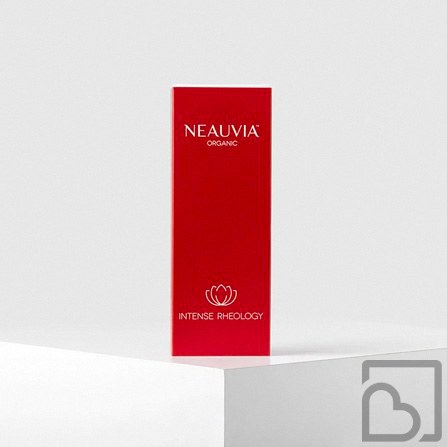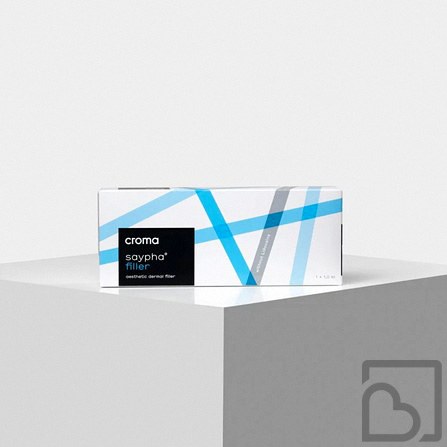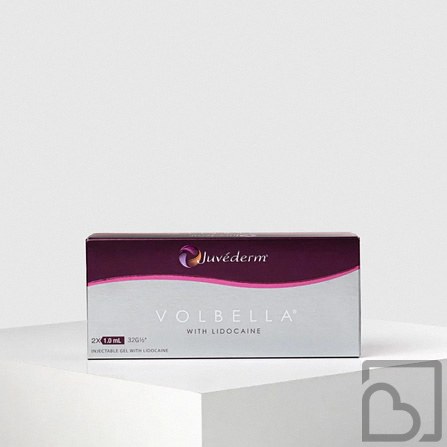
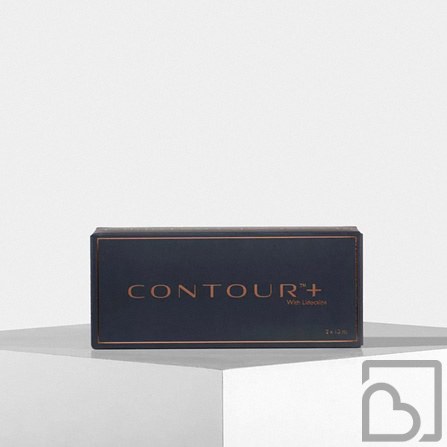

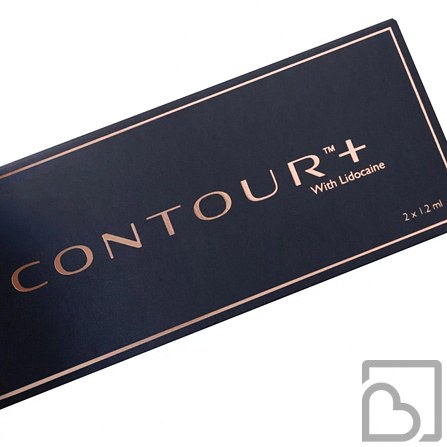
Revanesse Contour with Lidocaine (2 × 1.2 mL) is a high-strength hyaluronic acid dermal filler developed for deep volumization, facial contouring, and structural support.
It is commonly used for enhancing midface volume, cheek projection, chin shaping, and jawline definition, where firmness and lift are required rather than superficial refinement.
The inclusion of lidocaine improves patient comfort during injection, allowing for more controlled and precise placement.
Results typically last up to 9–12 months, depending on injection technique, treatment area, and individual metabolic factors.
Rheological properties / Product data
HA concentration: ~25 mg/ml
Cross-linking agent: BDDE
Elasticity (G’): High
Cohesivity: Medium–high
Texture: Firm, smooth HA gel
Lidocaine content: 0.3%
Packaging: 2 syringes × 1.2 ml
The gel is designed to provide strong lift and structural stability while maintaining smooth integration in deep tissue planes.
Injection depth & tools
Recommended depth: Deep dermis, subcutaneous, or supraperiosteal
Injection techniques: Linear threading, bolus, fanning
Recommended instruments: Needle or cannula depending on indication
Inject slowly under aseptic conditions and aspirate when clinically appropriate to minimize vascular risk.
Storage & handling
Store at room temperature (do not freeze)
Protect from direct sunlight
Single-use only — use immediately after opening
Do not use if packaging is damaged or expired
Dispose of syringes and needles according to medical waste regulations
For use by licensed medical professionals only. Not intended for self-injection.
Bolus or linear threads in deeper planes as indicated; slow injection with aspiration per best practice.
Common: redness, swelling, bruising, tenderness. Rare but serious: vascular occlusion (blanching, severe pain, visual changes—urgent care required).
Cross‑linked HA restores volume and contour; integrates with surrounding tissue.
Avoid alcohol 24h before and after treatment—vasodilation increases bleeding/bruising and may slow recovery.
Not recommended in pregnancy—elective injectables lack robust safety data; defer until after delivery.
Not advised during breastfeeding—limited data on transfer via milk and infant safety; postpone elective procedures.